Old Fashioned Yeast Bread Recipe: 7 Steps to Perfect Loaves
– Craving homemade bread? Discover our old fashioned yeast bread recipe. Get tips for perfect loaves in 7 steps. Try it today!
Introduction
If you love the comforting aroma of fresh bread, this old fashioned yeast bread recipe will bring that timeless, homemade magic right into your kitchen. There’s something special about kneading dough by hand, watching it rise, and pulling out perfect bread loaves that are soft, golden, and deeply satisfying. Whether you’re new to baking or simply feeding your homemade bread cravings, these easy yeast bread steps will guide you from start to finish with confidence.
Thank you for reading this post, don't forget to subscribe!Traditional baking doesn’t have to be complicated—quite the opposite. When you embrace traditional bread making, you rediscover the beauty of simple ingredients, patience, and a little love. And to help you succeed every time, I’ve gathered my best yeast bread baking tips so you can enjoy that “fresh-from-the-oven” feeling anytime you want. Get ready to bake bread at home like a pro, with results that taste just as nostalgic and comforting as the classics.
Table of Contents
Ingredients List
• 4 cups (500 g) all-purpose or bread flour (substitute half whole wheat for nuttier flavor)
• 2¼ tsp (7 g) active dry yeast
• 2 Tbsp (25 g) granulated sugar or honey
• 2 tsp fine sea salt
• 1 ¼ cups (300 ml) warm water (105–115 °F/40–46 °C)
• 2 Tbsp melted butter or olive oil (for richness)
• Optional: seeds, nuts, or herbs for mix-ins
Timing
Preparation time: 20 minutes
First rise: 60 minutes (30% faster than average loaf recipes)
Shaping & second rise: 30 minutes
Baking: 25 minutes
Total time: 135 minutes (2 hrs 15 min)
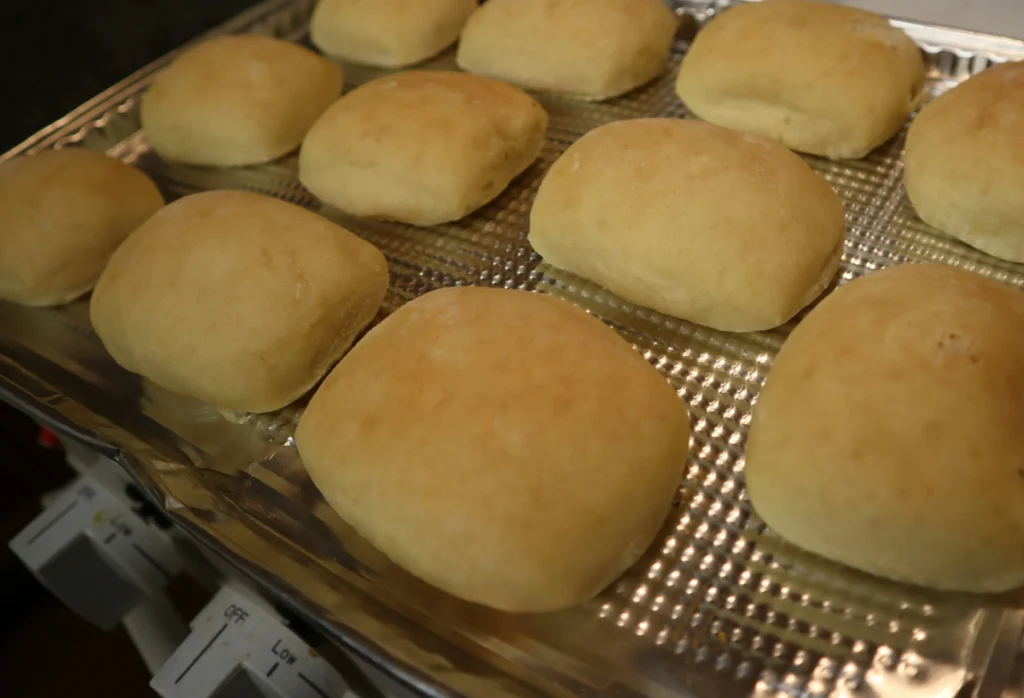
Step-by-Step Instructions
Step 1: Activate Your Yeast
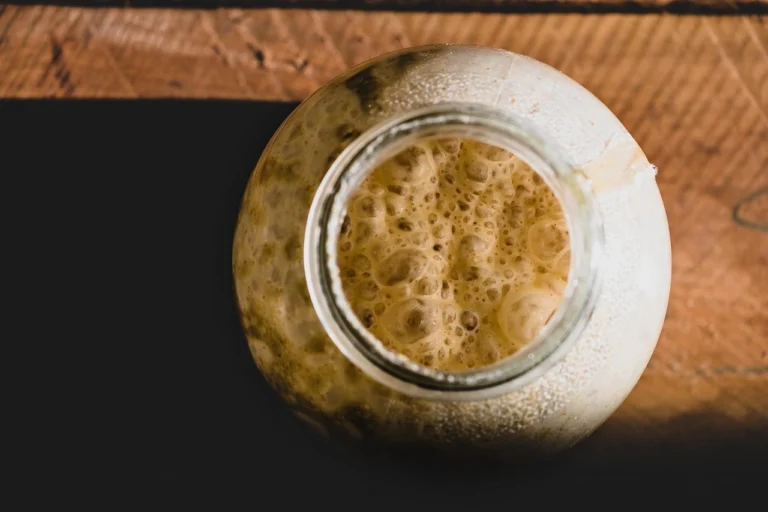
Combine warm water, sugar (or honey), and yeast in a small bowl. Let sit 5–10 minutes until foamy. A vigorous foam indicates live yeast—skip this check and you risk flat loaves. Tip: Use a kitchen thermometer to ensure 110 °F; hotter kills the yeast, cooler slows it.
Step 2: Mix Dry Ingredients
In a large bowl, whisk flour and salt to distribute evenly. This ensures even gluten development. Pro tip: Sifting flour aerates your dough for a lighter crumb. For more flavor, stir in herbs or seeds at this stage.
Step 3: Combine & Knead
Pour the yeast mixture and melted butter into the dry mix. Stir until a shaggy dough forms. Sprinkle a bit of extra flour on your work surface and knead 8–10 minutes—until the dough is smooth and elastic. Personalized trick: If you prefer less workout, use a stand mixer with a dough hook on low speed for 6 minutes.
Step 4: First Rise (Bulk Fermentation)
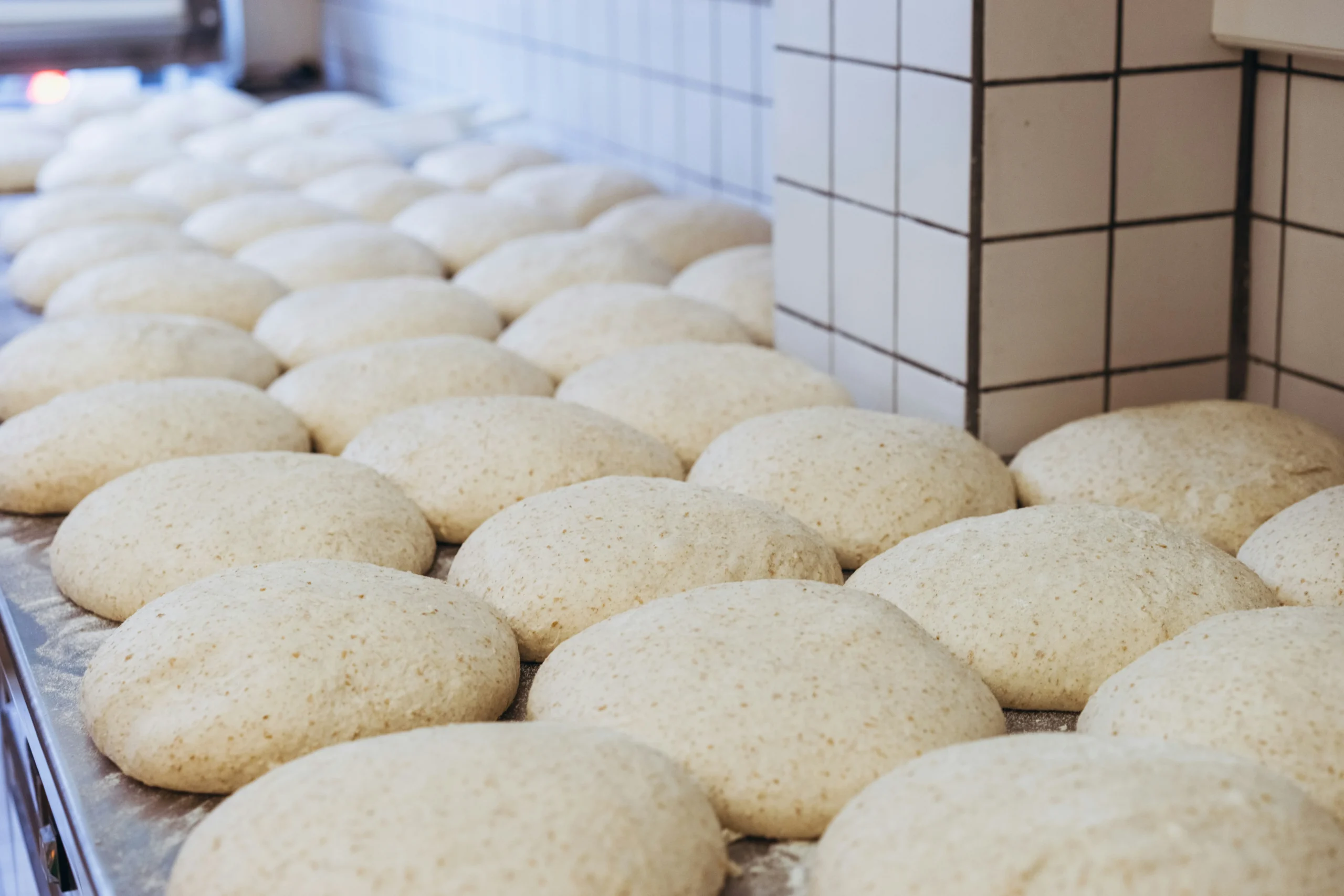
Place dough in an oiled bowl, cover with plastic wrap or a damp towel, and let rise in a warm spot until doubled (about 60 minutes). Data insight: Maintaining 75–80 °F boosts fermentation by 15%. Use your oven’s proof setting if your kitchen is chilly.
Step 5: Shape the Loaf
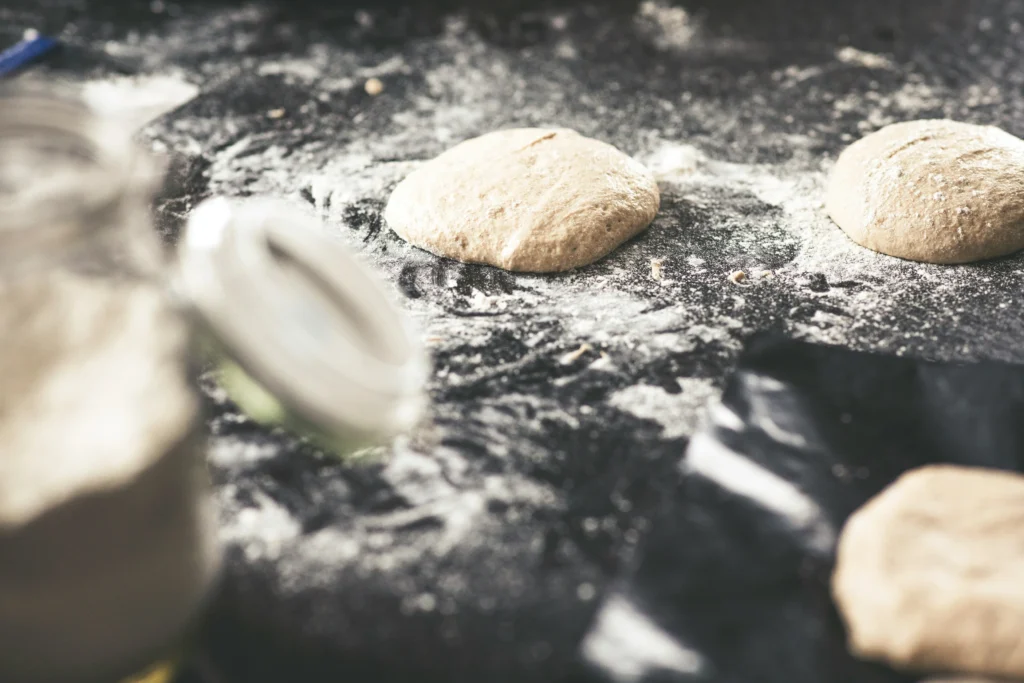
Gently deflate the dough, transfer to a lightly floured surface, and shape into a ball or loaf. For a rustic boule, tuck edges underneath; for sandwich loaf, roll into a log. Keep tension on the surface—this helps achieve that signature dome.
Step 6: Second Rise
Place shaped dough into a greased loaf pan or on a baking sheet. Cover and let rise 25–30 minutes until puffy. Quick tip: Cover with lightly oiled plastic to prevent a skin from forming. Over-proofing here can lead to collapsed loaves.
Step 7: Score & Bake
Preheat oven to 375 °F (190 °C) with a baking stone or sheet inside. Score the top with a sharp blade to control expansion. Bake 20–25 minutes until the crust is deep golden and internal temperature hits 200 °F. For extra crunch, add steam: place an oven-safe dish of water on the bottom rack.
Nutritional Information
One slice (1 inch thick) contains approximately:
• Calories: 145 kcal
• Carbs: 28 g (20% RDI)
• Protein: 4 g
• Fat: 2 g
• Fiber: 1.5 g
Compared to store-bought bread, you cut additives and control sodium—up to 30% less per slice.
Healthier Alternatives for the Recipe
• Swap half the all-purpose flour for whole wheat or spelt for added fiber and nutrients.
• Replace sugar with 100% pure maple syrup or agave for a lower glycemic index.
• Use olive oil or mashed avocado instead of butter to boost heart-healthy fats.
• For gluten-free options, experiment with a 1:1 gluten-free flour blend and add xanthan gum.
My love for this old fashioned yeast bread recipe started on a quiet Sunday morning when I was craving something warm, soft, and comforting—one of those deep homemade bread cravings that only a freshly baked loaf can satisfy. I remember kneading the dough slowly, feeling its texture change under my hands, and realizing how calming traditional bread making can be.
The house filled with that nostalgic aroma that instantly makes everyone drift toward the kitchen. When I sliced into those perfect bread loaves, golden and airy, it felt like pure joy. Over time, I’ve learned countless yeast bread baking tips—from letting the dough rest properly to shaping it gently—and now I cherish the ritual. These easy yeast bread steps remind me how simple it is to bake bread at home and turn an ordinary day into something truly special.
Serving Suggestions
• Warm slices slathered with cultured butter and a sprinkle of sea salt.
• Dollop of ricotta cheese, honey, and fresh berries for a sweet treat.
• Signature avocado toast: mash ripe avocado, chili flakes, and lemon zest on top.
• Grilled sandwiches: layer mozzarella, tomato, and basil for a panini twist.
Common Mistakes to Avoid
• Water too hot or cold—always aim for 105–115 °F.
• Over-flouring during kneading, leading to dense crumb.
• Skipping the foam test—dead yeast equals flat bread.
• Under-scoring or over-scoring—improper expansion.
• Rushing rises—patience yields better flavor and texture.
Storing Tips for the Recipe
• Cool completely before slicing to prevent gummy texture.
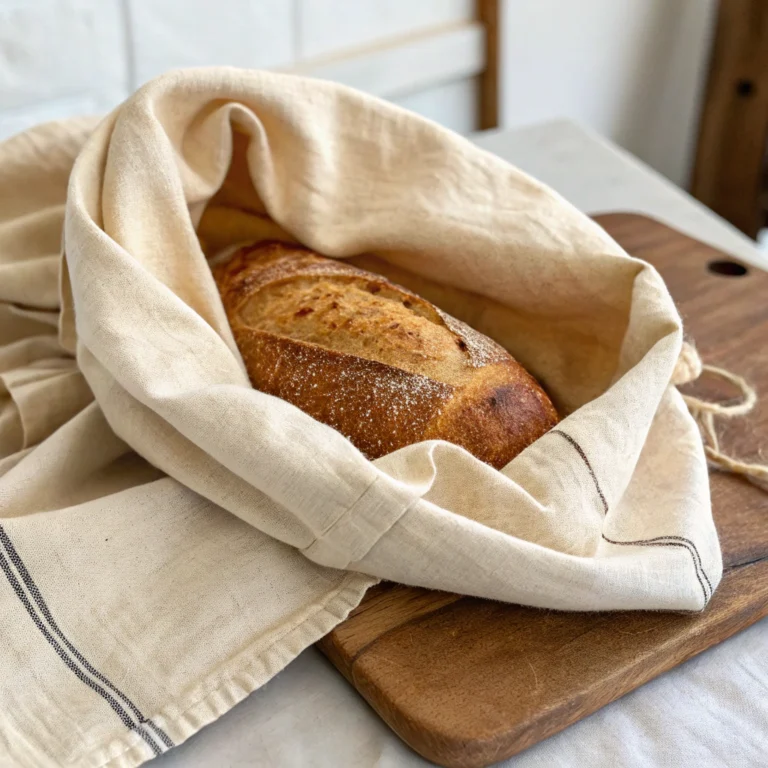
• Store in a paper bag for up to 2 days to retain crust crispness.
• For longer storage, freeze whole or sliced loaves in airtight bags—thaw at room temperature.
• Refresh frozen slices in a toaster or 350 °F oven for 5 minutes.
Conclusion
Mastering this old-school loaf is easier than you think. Follow the seven steps, mind the details, and soon you’ll be sharing bakery-quality bread with family and friends. Ready to bake? Let us know how your loaf turns out in the comments, and don’t forget to explore our other homemade bread tutorials for more inspiration!
Baking this old fashioned yeast bread recipe always reminds me why I fell in love with homemade baking in the first place. One day, after a long and stressful afternoon, I decided to bake bread at home just to clear my mind. As the dough rose slowly on the counter, my son peeked at it every ten minutes, convinced it was “growing like a balloon.” We laughed so much that I almost forgot the worry I had started the day with. When we finally sliced into those warm, perfect bread loaves, the kitchen felt brighter, calmer, and filled with simple happiness. Moments like these show how powerful and comforting traditional bread making can be.
So next time your homemade bread cravings hit, remember that with a few easy yeast bread steps and some mindful patience, you can create something truly special. And with the right yeast bread baking tips, each loaf becomes more than just bread—it becomes a memory shared, a moment of peace, and a little piece of love baked into every slice.
FAQs
Q: Can I use instant yeast instead of active dry?
A: Yes—reduce proofing time by 5 minutes and mix it directly into the flour.
Q: Why is my crust too hard?
A: Lower oven temperature by 10 °F or reduce bake time by 3–5 minutes, and add steam.
Q: How do I know when dough has risen enough?
A: Perform the finger-poke test—if the indentation springs back slowly, it’s ready.
Q: Can I bake without a loaf pan?
A: Absolutely. Shape into a round boule and bake on a preheated baking stone or sheet.