Why Whole Grain Bread Is the Healthiest Bread You Can Eat
I remember standing in the grocery aisle, feeling overwhelmed by the endless rows of baked goods. Like many of you, I once believed that all loaves were created equal, but I was wrong. Choosing the right healthy bread is a simple change that can transform your daily energy levels.
Thank you for reading this post, don't forget to subscribe!A recent study in the Nutrition Bulletin finally clears up the confusion surrounding white flour products. It highlights that opting for whole grain bread is far superior for your long-term wellness. I have personally felt the difference in my digestion and focus since making the switch.
Understanding the benefits of whole grain bread helps us move past outdated myths. This healthy bread provides the essential fiber and nutrients our bodies crave to function at their best. Let’s explore why this staple deserves a permanent spot in your kitchen.
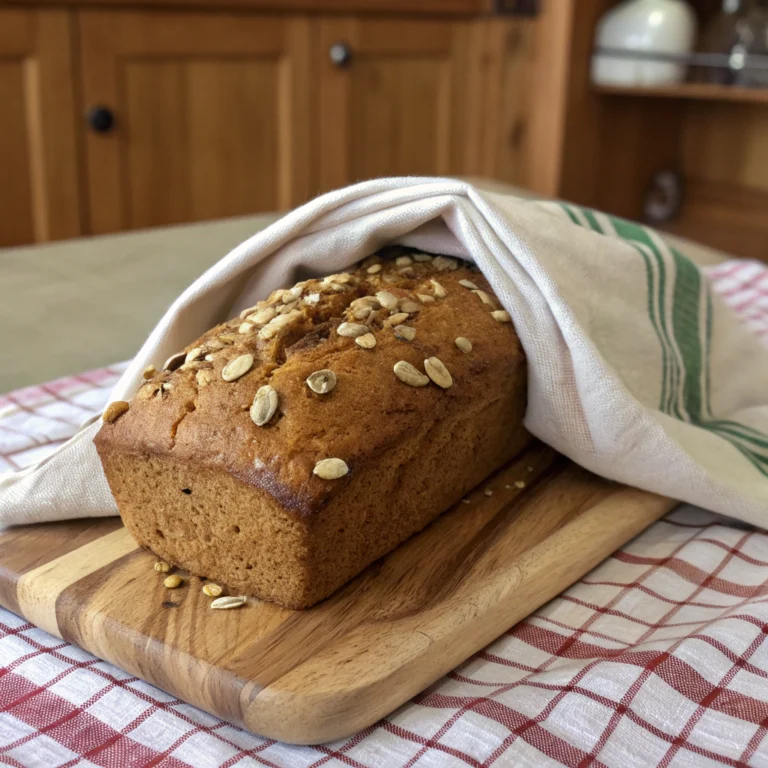
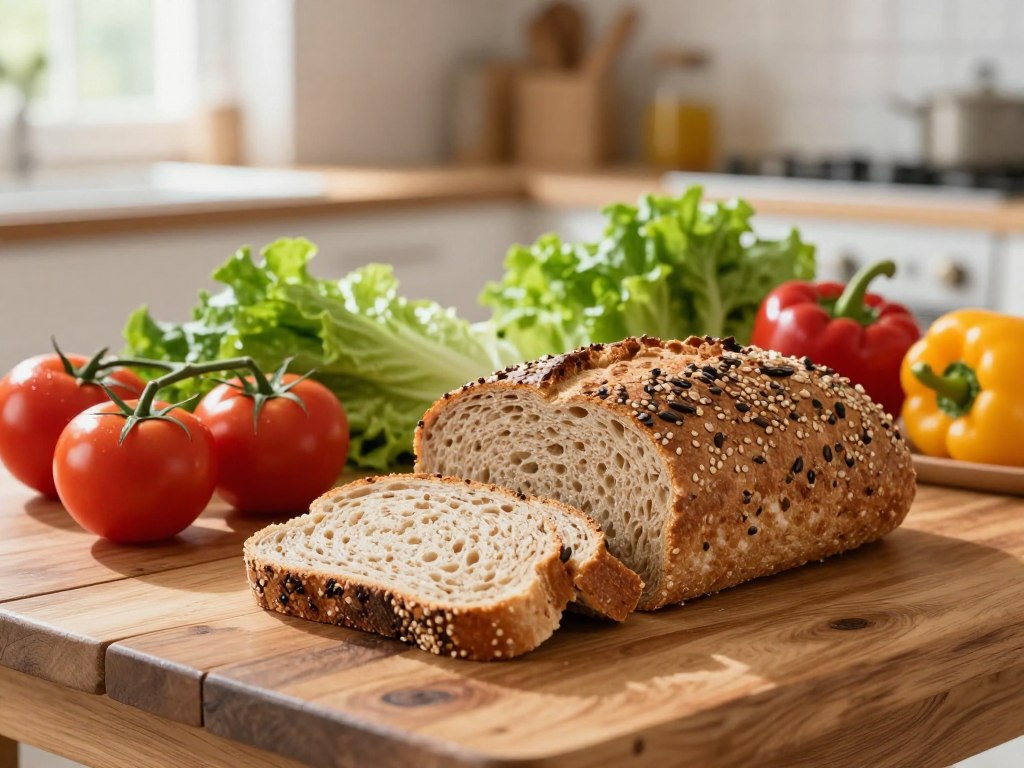
Whole grain bread has always been one of my favorite types of healthy bread because it is both nutritious and comforting. I still remember the first time I tried to make a whole grain bread recipe at home — the smell in the kitchen was warm, rich, and full of memories. Since then, I always try to buy whole grain bread from a good whole grain bakery or choose organic whole grain bread when I find it.
For me, the benefits of whole grain bread are not only about health, but also about the feeling of eating something natural, simple, and real. Whether it is whole wheat bread for breakfast or whole grain bread online that I discover from artisan bakers, I am always looking for the best whole grain bread that combines taste, texture, and health benefits. Whole grain bread is not just bread, it is part of a healthy lifestyle and a beautiful daily routine.
Table of Contents
Understanding the Nutritional Profile of Whole Grain Bread
I always prefer whole grain bread for its comprehensive nutritional benefits. Unlike refined flour bread, whole grain bread contains the endosperm, germ, and bran in the same proportions as the intact grain, with only minor processing losses. This means it retains more of the grain’s natural nutrients.
The Nutritional Components of Whole Grain Bread
Whole grain bread is made up of three main parts: the bran, germ, and endosperm. The bran is the outer layer, rich in fiber and antioxidants. The germ is the embryo of the grain, packed with healthy fats, vitamins, and minerals. The endosperm is the largest part, providing carbohydrates, proteins, and some B vitamins.
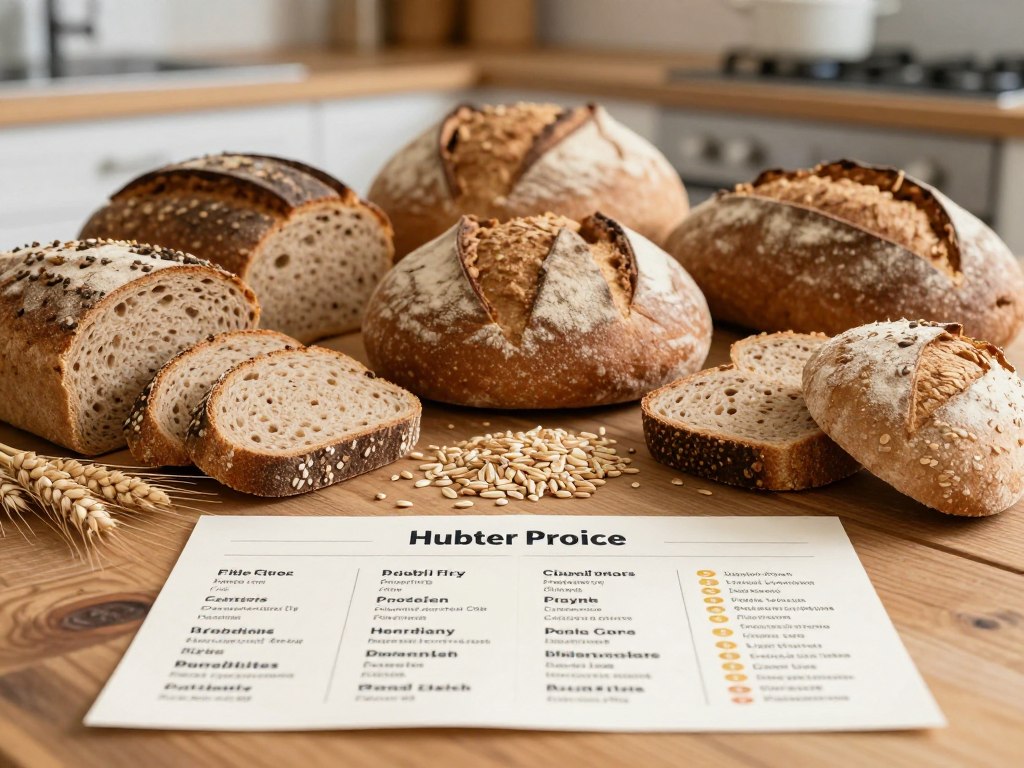
As noted by a study, “Whole grains are rich in various nutrients and phytochemicals, which have been associated with a reduced risk of chronic diseases such as heart disease, diabetes, and certain cancers.” This highlights the importance of consuming whole grains like whole grain bread as part of a balanced diet.
The combination of these components makes whole grain bread a rich source of essential nutrients, including B vitamins, iron, magnesium, and antioxidants. These nutrients play a crucial role in maintaining overall health, from supporting energy production to protecting against oxidative stress.
Health Benefits of Whole Grain Bread
The nutritional profile of whole grain bread translates into several health benefits. The high fiber content supports digestive health, while the complex carbohydrates help manage blood sugar levels. Additionally, the antioxidants and phytochemicals present in whole grain bread contribute to its protective effects against chronic diseases.
In conclusion, understanding the nutritional profile of whole grain bread underscores its value as a healthy dietary choice. By incorporating whole grain bread into your diet, you can reap its numerous nutritional benefits and support overall well-being.
Step One: Identifying Authentic Whole Grain Bread at the Grocery Store
When shopping for whole grain bread, it’s crucial to know how to identify the real deal. With the rise of health-conscious consumers, many manufacturers are labeling their products as “whole grain” or “multi-grain” to appeal to buyers. However, not all products live up to these claims.
To ensure you’re buying authentic whole grain bread, it’s essential to understand what to look for on the label. The first step is to check the ingredient list. Look for labels that say “100 percent whole grain” or “100% whole wheat.” This indicates that the product is made entirely from whole grains, without any refined flour.
Reading Labels to Avoid Hidden Refined Flours
One of the most common pitfalls when buying whole grain bread is falling prey to products containing hidden refined flours. Manufacturers might use terms like “enriched flour” or “wheat flour” to make their product appear healthier than it is. To avoid this, always read the ingredient list carefully.
- Check for the term “whole grain” or “whole wheat” as the first ingredient.
- Be wary of products with long lists of unrecognizable ingredients.
- Opt for products with minimal processing and fewer additives.
If you’re looking to buy whole grain bread, consider visiting a whole grain bakery or a reputable health food store. These outlets are more likely to stock authentic whole grain products.
Distinguishing Between Whole Wheat and Multi-Grain
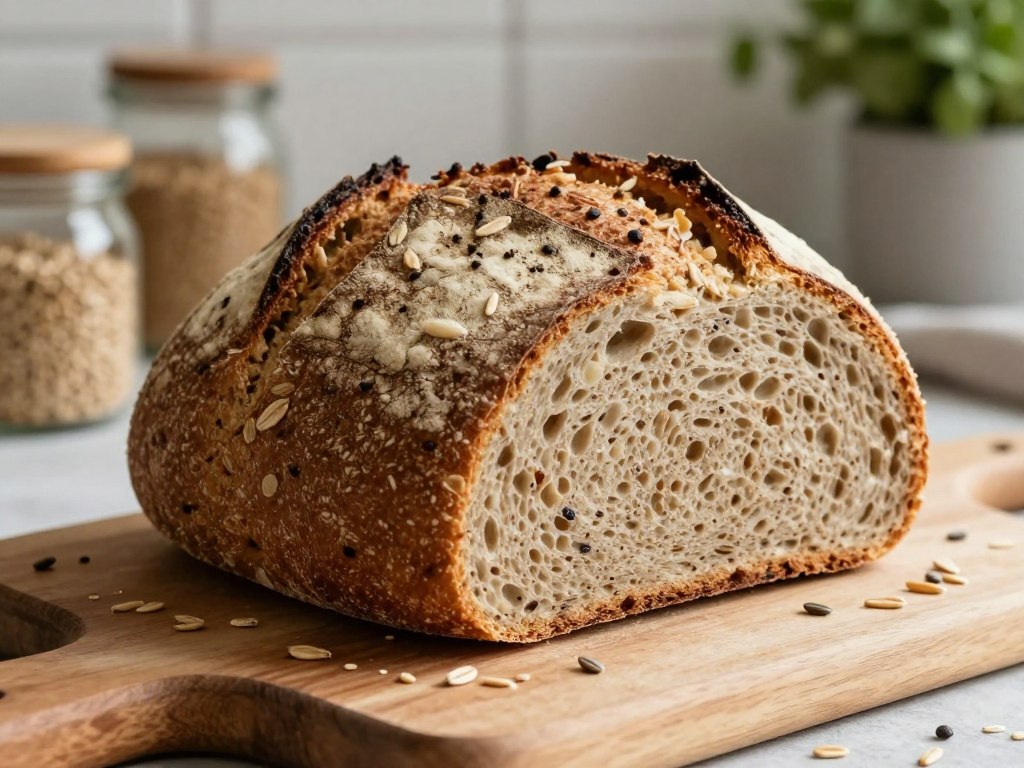
Another crucial distinction to make is between whole wheat and multi-grain bread. While both may sound healthy, they are not necessarily the same. Multi-grain bread simply means the product contains more than one type of grain, but these grains may be refined.
In contrast, whole wheat bread is made from wheat that includes the bran, germ, and endosperm, providing more fiber and nutrients. When searching for the best whole grain bread, prioritize products labeled as “100% whole wheat” or “100% whole grain.”
By being informed and vigilant, you can make healthier choices and enjoy the benefits of genuine whole grain bread.
Step Two: Evaluating the Benefits of Whole Grain Bread for Your Metabolism
The metabolic benefits of whole grain bread are multifaceted and worth exploring. As I incorporate whole grain bread into my diet, I notice significant improvements in my overall health, particularly in my metabolic well-being.
One of the key advantages of whole grain bread is its high fiber content. High fiber intake is associated with a healthy digestive system, and whole grain bread is an excellent source of dietary fiber.
How Fiber Content Supports Digestive Health
Fiber plays a crucial role in maintaining a healthy gut. It helps in the smooth movement of food through the digestive system and prevents constipation. As a result, a diet rich in fiber from whole grain bread can lead to a more efficient metabolism.
“A high-fiber diet is essential for maintaining a healthy gut microbiome,” says a renowned nutritionist. This is because fiber acts as a prebiotic, feeding the good bacteria in the gut, thereby supporting a robust immune system.
Managing Blood Sugar Levels with Complex Carbohydrates
Whole grain bread is also rich in complex carbohydrates, which are digested slowly, thereby preventing a sudden spike in blood sugar levels. This slow digestion helps in managing blood sugar levels effectively.
Incorporating whole grain bread into my meals has helped me maintain stable energy levels throughout the day. The complex carbohydrates in whole grain bread ensure that glucose is released slowly into the bloodstream, avoiding energy crashes.
By choosing whole grain bread, I am not only supporting my digestive health but also taking a proactive step towards managing my blood sugar levels.
Step Three: Sourcing High-Quality Organic Whole Grain Bread
I’ve found that selecting high-quality organic whole grain bread is essential for reaping its nutritional benefits. With so many options available, it can be challenging to make the right choice.
One crucial factor to consider is the certification of the bread. Organic certification ensures that the bread is made from ingredients grown without the use of synthetic pesticides, herbicides, or fertilizers, which can have negative impacts on health and the environment.
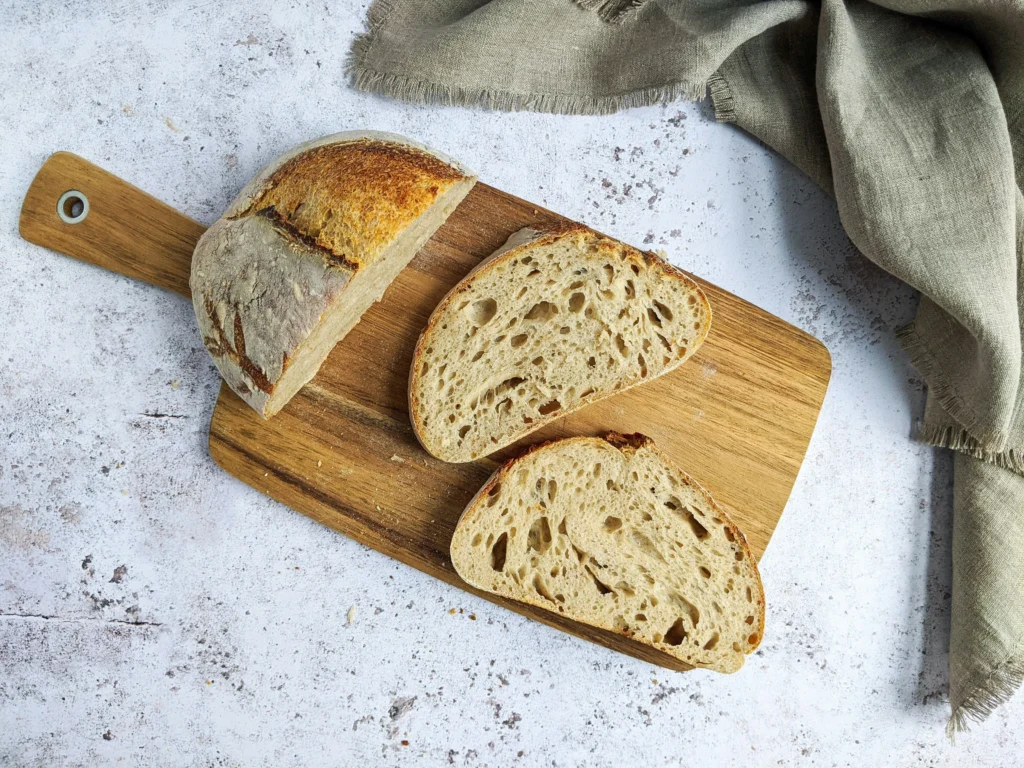
Why Organic Certification Matters for Your Health
Choosing organic whole grain bread reduces exposure to harmful chemicals. Studies have shown that consuming organic produce can lower the risk of certain health issues.
Here are some key benefits of organic certification:
- Lower pesticide residue
- No genetically modified organisms (GMOs)
- More stringent regulations on farming practices
When shopping for organic whole grain bread, look for certifications like USDA Organic to ensure you’re getting a high-quality product.
Finding a Local Whole Grain Bakery vs. Commercial Options
Another important consideration is where to buy your whole grain bread. Local bakeries often offer fresher and more nutritious options compared to commercial brands.
| Feature | Local Bakery | Commercial Brand |
|---|---|---|
| Freshness | Baked fresh daily | May contain preservatives for longer shelf life |
| Nutritional Content | Often higher in fiber and nutrients | May have lower nutritional value due to processing |
| Ingredients | Typically uses higher-quality, locally sourced ingredients | May contain additives and preservatives |
By choosing a local whole grain bakery, you not only get a better product, but you also support local businesses and contribute to your community’s economy.
Step Four: Mastering the Art of Storing Your Bread for Maximum Freshness
To enjoy whole grain bread at its best, it’s essential to understand the proper storage techniques. Proper storage not only maintains the bread’s freshness but also preserves its nutritional value. As someone who appreciates the benefits of whole grain bread, I’ve learned that a few simple storage tips can make a significant difference.
Proper Techniques for Countertop Storage
When it comes to storing whole grain bread on the countertop, the key is to keep it in a cool, dry place. Avoid direct sunlight and moisture, as these can cause the bread to become stale or develop mold. I recommend using a bread box or a paper bag to store your bread. These options allow for airflow, which helps maintain the bread’s texture.
It’s also important to note that whole grain bread typically has a shorter shelf life compared to refined bread due to its lower preservative content. Therefore, it’s best to consume it within a few days of purchase or bake. If you don’t plan to finish the loaf within three days, consider alternative storage methods.
When and How to Freeze Your Loaves
Freezing is an excellent way to extend the shelf life of whole grain bread. To freeze your bread, wrap it tightly in plastic wrap or aluminum foil to prevent freezer burn. You can also slice the bread before freezing, making it easier to thaw only what you need. When you’re ready to eat it, simply thaw the bread at room temperature or toast it directly from the freezer.
When freezing, it’s a good idea to label the bread with the date it was frozen, so you can keep track of how long it’s been stored. Generally, whole grain bread can be frozen for up to three months without significant loss of quality.
By mastering these storage techniques, you can enjoy your whole grain bread for longer and make the most of your investment in this nutritious food.
Step Five: Incorporating Whole Grain Bread into Your Daily Meal Plan
As I explore the benefits of whole grain bread, I’m excited to share how it can be seamlessly integrated into your daily meal plan. Whole grain bread is a versatile ingredient that can be used in a variety of dishes, making it easy to incorporate into your diet.
One of the simplest ways to start your day is with a nutritious breakfast featuring whole grain bread. By choosing whole grain over refined grain, you’re setting yourself up for a day of sustained energy and focus.
Building a Balanced Breakfast with Toasted Whole Grains
Toasted whole grain bread can be the foundation of a balanced breakfast when paired with the right toppings. Consider adding avocado for healthy fats, eggs for protein, or almond butter for a creamy and nutritious spread. Avocado toast on whole grain bread is a popular breakfast option that combines healthy fats with complex carbohydrates.
For a more traditional breakfast, topping whole grain toast with scrambled eggs and spinach provides a boost of protein and vitamins. The key is to balance your meal with a mix of carbohydrates, proteins, and healthy fats.
Creating Nutrient-Dense Sandwiches for Lunch
Whole grain bread is also an excellent base for nutrient-dense sandwiches. By choosing lean proteins like turkey or chicken and adding plenty of vegetables, you can create a satisfying and healthy lunch. Consider adding lettuce, tomato, and cucumber for freshness, and mustard or hummus for added flavor without extra calories.
For a vegetarian option, layering sliced vegetables like bell peppers, zucchini, and sprouts between two slices of whole grain bread makes for a filling and nutritious meal. The fiber in whole grain bread helps keep you full, while the vegetables provide essential vitamins and minerals.
By incorporating whole grain bread into your daily meals, you can enjoy a variety of healthy and delicious options that support your overall health and wellbeing.
Step Six: Experimenting with a Simple Whole Grain Bread Recipe at Home
With a simple recipe, you can start baking whole grain bread at home today. Baking whole grain bread allows you to control the ingredients and customize the flavor to your liking. It’s a fun and rewarding process that can become a new hobby.
To get started, you’ll need a few essential ingredients. These include whole grain flour, water, yeast, salt, and sometimes a sweetener like honey or sugar. The quality of your ingredients can significantly impact the final product, so choose high-quality whole grain flour that’s fresh and has a good protein content.
Essential Ingredients for a Basic Whole Grain Loaf
The foundation of a great whole grain bread is its ingredients. Here’s a breakdown of what you’ll need:
- 2 cups of whole grain flour (such as whole wheat or a mix of whole grains)
- 1 teaspoon of salt
- 1 teaspoon of sugar or honey
- 1 packet (2 1/4 teaspoons) of active dry yeast
- 1 cup of warm water
| Ingredient | Quantity | Purpose |
|---|---|---|
| Whole Grain Flour | 2 cups | Provides structure and nutrition |
| Salt | 1 teaspoon | Enhances flavor and controls yeast |
| Sugar or Honey | 1 teaspoon | Feeds the yeast |
| Active Dry Yeast | 2 1/4 teaspoons | Leavens the bread |
| Warm Water | 1 cup | Hydrates the dough |
Troubleshooting Common Baking Challenges
Even with a simple recipe, baking whole grain bread can present some challenges. Here are a few common issues and how to address them:
Dense Loaf: This can be due to overmixing the dough or using too much flour. Try reducing the flour slightly or mixing the dough just until the ingredients come together.
Poor Rise: Ensure your yeast is active and not expired. Also, check that your water is not too hot or too cold, as this can affect yeast activity.
By understanding the basics of whole grain bread baking and being aware of common pitfalls, you can create delicious, healthy bread at home. Experiment with different ingredients and recipes to find your perfect loaf.
Step Seven: Navigating the Best Whole Grain Bread Options Online
Finding the perfect whole grain bread online requires a bit of know-how, but it’s definitely achievable. With so many options available, it’s essential to know what to look for to ensure you’re getting a high-quality product.
When buying whole grain bread online, it’s crucial to check the product description for ingredients and nutritional information. Look for bread that is made from 100% whole grains and has minimal added preservatives or sugars. You can also check reviews from other customers to get an idea of the bread’s taste, texture, and freshness.
What to Look for When Ordering Bread Online
When ordering whole grain bread online, there are several factors to consider. First, check the ingredients list to ensure it aligns with your dietary preferences. You should also look for certifications like “organic” or “non-GMO” if these are important to you.
- Check the type of whole grain used
- Verify the bread is made with minimal processing
- Read customer reviews for feedback on taste and freshness
Ensuring Quality During Shipping and Delivery
One of the challenges of buying bread online is ensuring it arrives fresh. To maintain quality, bakeries often use specialized packaging and shipping methods. Look for bakeries that use insulated packaging and expedited shipping to keep your bread fresh.
It’s also a good idea to check the bakery’s shipping policies and estimated delivery times to ensure your bread arrives when you’re available to receive it.
By being mindful of these factors, you can enjoy high-quality whole grain bread from the comfort of your own home. Whether you’re looking for a specific type of grain or a particular texture, there’s a whole grain bread out there for you.
Step Eight: Pairing Your Bread with Healthy Toppings and Spreads
Pairing whole grain bread with the right toppings can transform a simple snack into a nutrient-dense meal. I’ve found that the key to making the most of your whole grain bread is to complement its nutritional benefits with healthy and flavorful toppings.
Whole grain bread is not just a healthy base for your meals; it’s also a versatile canvas waiting for nutritious toppings. By choosing the right combinations, you can enhance the overall nutritional value of your snack or meal.
Nutritious Alternatives to Traditional Butter
One of the simplest ways to upgrade your whole grain bread is by replacing traditional butter with healthier alternatives. Avocado spread is an excellent choice, rich in healthy fats that support heart health. You can also consider almond butter or cashew butter for a creamy and nutritious spread.
Other options include olive oil, which is rich in monounsaturated fats, and hummus, a tasty and protein-rich alternative. These spreads not only add flavor but also contribute to the nutritional value of your whole grain bread.
Adding Protein and Healthy Fats to Your Toast
To make your whole grain bread more satisfying, consider adding protein and healthy fats. Nuts and seeds are excellent sources of healthy fats and protein. You can sprinkle chopped almonds, walnuts, or chia seeds on top of your bread for added crunch and nutrition.
Eggs are another great option; topping your whole grain toast with a fried or poached egg can provide a boost of protein. You can also use mashed avocado or peanut butter as a source of healthy fats.
By incorporating these nutritious toppings and spreads into your whole grain bread routine, you can enjoy a more balanced and satisfying snack or meal. Experiment with different combinations to find your favorite ways to enjoy whole grain bread.
Step Nine: Overcoming Common Misconceptions About Whole Grain Bread
As I explore the world of whole grain bread, I realize that several misconceptions surround its benefits and characteristics. Whole grain bread is a staple in a healthy diet, but various myths have led to confusion among consumers.
Many people are concerned about the nutritional aspects and the perceived drawbacks of whole grain bread. Let’s address some of these concerns and separate fact from fiction.
Addressing Concerns About Gluten and Carbohydrates
One common misconception is that whole grain bread is not suitable for those with gluten intolerance or sensitivity. While it’s true that whole grain bread contains gluten, not all whole grain bread is created equal. Some types, like those made from ancient grains, may be more tolerable for those with mild gluten sensitivity. However, for individuals with celiac disease, gluten-free alternatives are available.
Whole grain bread is also often misunderstood in terms of its carbohydrate content. While it’s true that bread is primarily carbohydrates, whole grain bread contains complex carbohydrates, which are digested slowly and can help regulate blood sugar levels. This makes it a better choice than refined bread for those managing their carbohydrate intake.
Debunking Myths About Taste and Texture
Another misconception is that whole grain bread lacks flavor or has an unpleasant texture. In reality, whole grain bread can be incredibly flavorful and have a satisfying texture, depending on the type of grains used and the baking process. Many artisanal bakeries now offer a variety of whole grain breads with rich, complex flavors.
The texture of whole grain bread can vary significantly, from the dense and chewy to the light and airy. Experimenting with different types and brands can help you find a whole grain bread that suits your taste preferences.
In conclusion, by understanding the facts about whole grain bread, we can overcome common misconceptions and make informed choices about incorporating it into our diets.
Conclusion
As we’ve explored the world of whole grain bread, it’s clear that this nutritious food can be a game-changer for those seeking a healthier diet. By understanding the nutritional profile of whole grain bread and learning how to identify authentic products, you can make informed choices that benefit your overall well-being.
The benefits of whole grain bread are numerous, from supporting digestive health to managing blood sugar levels. By incorporating whole grain bread into your daily meal plan, you can experience these benefits firsthand and take a significant step towards a healthier lifestyle.
I encourage you to start making whole grain bread a staple in your diet. Experiment with new recipes, explore different types of whole grain bread, and discover the joy of savoring a nutritious and delicious meal. With whole grain bread, you can enjoy healthy bread that’s not only good for you but also tastes great.