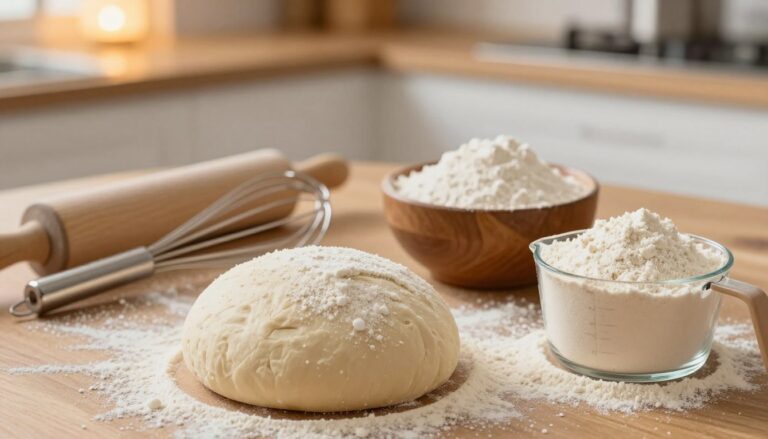
My First moroccan msemen Was a Disaster — Here’s What Worked
I still remember the kitchen floor covered in sticky, torn dough. My first attempt at making Moroccan msemen felt like a total failure. I had visions of golden, flaky layers, but reality gave me a tough, chewy mess that looked nothing like the traditional flatbread I craved.
Thank you for reading this post, don't forget to subscribe!It is easy to feel intimidated by the complex folding techniques required for this dish. I almost gave up, thinking that authentic results were only possible for professional bakers. However, I soon realized that patience and the right approach make all the difference.
Through trial and error, I discovered the secrets to achieving that perfect, buttery texture at home. You do not need to be an expert to master this craft. By learning from my early mistakes, you can skip the frustration and start enjoying delicious, homemade Moroccan msemen in your own kitchen today.
Table of Contents
The Allure of Traditional Moroccan Flatbread
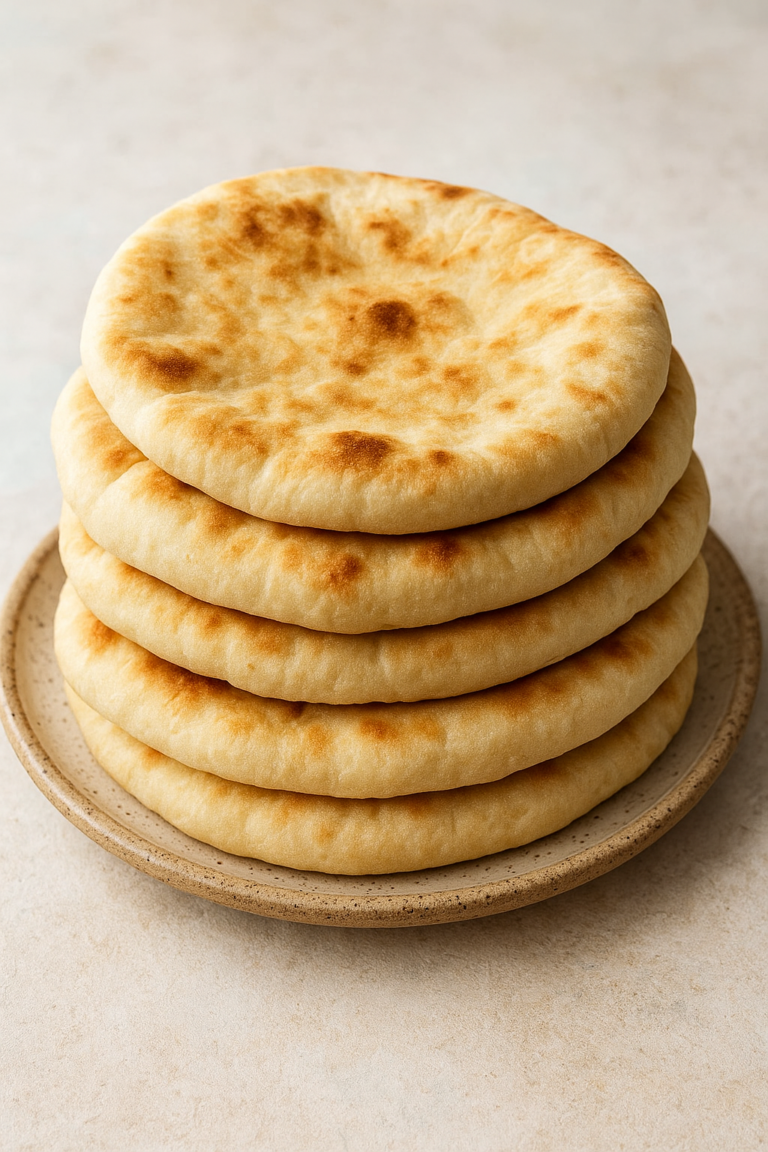
To understand the soul of moroccan cuisine, one must first look at the humble, layered masterpiece known as msemen. This traditional moroccan flatbread is far more than just a simple side dish; it is a symbol of warmth and hospitality that defines the local culinary landscape.
Understanding the Cultural Significance
In Morocco, bread is considered a sacred gift. It is rarely wasted and is almost always present at the center of the table during family gatherings and social events.
The process of preparing dough is a communal experience that bridges the gap between generations. Elders often pass down secret techniques to younger family members, ensuring that the history of moroccan msemen remains vibrant and alive in modern kitchens.
Why Msemen is a Staple in Moroccan Cuisine
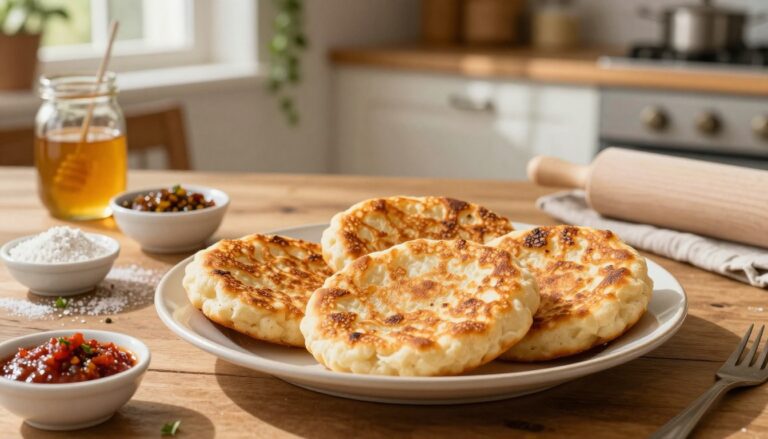
What makes this bread truly special is its incredible versatility. Whether served for breakfast with honey and butter or stuffed with savory fillings for a quick lunch, it adapts perfectly to any occasion.
The unique, flaky texture is achieved through a meticulous folding process that creates thin, translucent layers. This traditional moroccan flatbread offers a sensory experience that is both comforting and deeply satisfying. It remains a cornerstone of moroccan cuisine because it perfectly balances simplicity with the refined skill required to master its delicate, buttery layers.
Why My First Attempt at Moroccan Msemen Failed
Mastering the art of authentic Moroccan msemen is a journey that often begins with a few burnt or chewy mistakes. When I first started, I assumed that following a standard dough recipe would be enough to achieve those signature flaky layers. I quickly realized that this specific flatbread requires a much deeper understanding of texture and technique.
Common Beginner Pitfalls
Many home cooks struggle with the specific hydration levels needed for this dough. If the dough is too dry, it becomes difficult to stretch into the thin, translucent sheets required for proper lamination. Conversely, adding too much water can make the dough sticky and impossible to fold without tearing.
Another frequent error involves the kneading process. Proper gluten development is essential for achieving the elasticity that allows the dough to be stretched paper-thin. Without enough patience during the kneading phase, the dough will snap back, resulting in a dense and chewy final product.
The Importance of Patience and Practice
It is important to remember that perfecting a msemen recipe is not an overnight process. Each batch provides a new opportunity to refine your touch and learn how the dough reacts to your specific kitchen environment. You should view every mistake as a valuable lesson rather than a failure.
Consistency is the secret ingredient that separates a novice from a pro. By practicing regularly, you will eventually develop the muscle memory needed to fold the squares with ease. Take your time, observe the texture of the dough, and do not get discouraged if your first few attempts do not look like the ones you see in street markets.
| Common Mistake | Resulting Texture | How to Fix |
|---|---|---|
| Under-kneading | Tough and rubbery | Increase kneading time |
| Too much flour | Dry and brittle | Adjust hydration levels |
| Insufficient resting | Dough snaps back | Allow longer rest periods |
| High heat cooking | Burnt outside, raw inside | Lower the flame |
Essential Ingredients for Authentic Results
Creating a delicious Moroccan msemen starts long before you turn on the stove. The quality of your final product depends heavily on the specific types of flour and fats you choose during the preparation process. By selecting the right components, you ensure that your bread has the perfect balance of chew and crunch.
Choosing the Right Flour Blend
A precise blend of all-purpose flour and fine semolina is crucial for achieving the desired elasticity. While all-purpose flour provides the necessary gluten for structure, it can be too soft on its own. Mixing in a high-quality semolina flour adds the strength needed to stretch the dough into thin, translucent sheets without tearing.
The Role of Semolina in Texture
Semolina is the secret weapon for anyone looking to master moroccan msemen. It provides a distinct, slightly gritty texture that prevents the dough from becoming gummy. This ingredient is essential for creating that signature crunch on the outside while keeping the interior soft and airy.
“The beauty of traditional bread lies in the simplicity of its components; treat your flour and fat with respect, and the dough will reward you with perfect layers.”
Fats and Oils for Perfect Lamination
To achieve the distinct, flaky layers that define this bread, you must use a combination of high-quality butter and neutral oil. The oil helps keep the dough pliable during the folding process, while the butter adds a rich, savory flavor. When these fats are layered between the dough, they create steam during cooking, which forces the layers to separate beautifully.
| Ingredient | Primary Function | Impact on Texture |
|---|---|---|
| All-Purpose Flour | Structure | Provides elasticity and chew |
| Fine Semolina | Texture | Adds crunch and prevents gumminess |
| Unsalted Butter | Flavor & Lamination | Creates distinct, flaky layers |
| Neutral Oil | Workability | Keeps dough soft and easy to stretch |
Mastering the Dough: The Secret to Elasticity
The secret to authentic Moroccan msemen lies entirely in the elasticity of your dough. Much like the patience required in teaching, the time you invest in your ingredients determines the final quality of your bread. A kind smile and a nonjudgmental attitude toward your own progress will make the learning process much more enjoyable.
Kneading Techniques for Smooth Dough
To achieve the perfect consistency, you must work the dough with steady, rhythmic motions. Use the heel of your hand to push the dough away from you, then fold it back over itself. Consistency is key when you are learning how to make msemen, so keep your movements fluid and firm.
Continue this process for at least ten minutes until the surface feels smooth and supple. If the dough feels sticky, resist the urge to add too much extra flour. Instead, keep kneading until the gluten strands align and the dough pulls away cleanly from your work surface.
The Necessity of Resting the Dough
Resting is perhaps the most overlooked step in the process. After kneading, the gluten is tight and needs time to relax before it can be stretched thin. Covering your dough with a damp cloth or a light coating of oil prevents it from drying out while it sits.
Allowing the dough to rest for at least thirty minutes is essential for success. This break allows the flour to fully hydrate and the gluten to soften. Without this waiting period, your Moroccan msemen will snap back like a rubber band when you try to shape it.
Testing for the Windowpane Effect
The windowpane test is the ultimate indicator that your dough is ready for the next stage. To perform this, take a small piece of dough and gently stretch it between your fingers. If it forms a thin, translucent membrane without tearing, you have achieved the perfect level of elasticity.
If the dough tears immediately, it needs more kneading or additional resting time. Mastering this technique is a vital skill for anyone learning how to make msemen at home. Use the following table to track your progress during the preparation phase.
| Dough Stage | Physical Texture | Readiness Indicator |
|---|---|---|
| Initial Mix | Shaggy and rough | Not ready |
| Post-Kneading | Smooth and firm | Needs rest |
| Fully Rested | Silky and elastic | Ready to stretch |
The Art of Folding and Layering
The secret to professional-looking moroccan msemen lies in the precision of your folds. This stage is where you transform a simple, rested dough into a complex structure of delicate, airy layers. By mastering these physical manipulations, you ensure that every bite offers that signature crunch and soft interior.
Creating the Signature Square Shape
To achieve the classic square, start by flattening your dough ball into a thin circle on a lightly oiled surface. Fold the top third down toward the center, then fold the bottom third up to overlap it, creating a long rectangle. Next, fold the left side toward the center and repeat with the right side to form a neat, compact square.
This precise folding technique is vital because it traps air and fat inside the dough. If you rush this step, the layers will not separate properly during the cooking process. Always ensure your edges are aligned to maintain a uniform shape.
Techniques for Achieving Thin, Translucent Layers
The key to success is stretching the dough until it is thin enough to see through without tearing. Use your fingertips to gently pull the edges outward, working from the center toward the perimeter. If the dough resists, let it rest for a few more minutes to relax the gluten strands.
Patience is your best tool here. If you force the dough, it will snap back or develop holes. A thin, translucent sheet is the foundation for the flaky texture that defines authentic moroccan msemen.
Using Butter and Semolina for Flakiness
Between each fold, lightly brush the surface with a mixture of melted butter and oil. Then, sprinkle a small amount of fine semolina over the fat. The butter creates the steam needed for puffing, while the semolina acts as a barrier to keep the layers distinct.
| Folding Stage | Purpose | Key Ingredient |
|---|---|---|
| Initial Stretch | Create surface area | Oil |
| First Fold | Begin layering | Butter/Semolina |
| Final Square | Trap air pockets | Butter/Semolina |
By consistently applying this method, you guarantee that your moroccan msemen will rise beautifully on the griddle. This careful balance of fat and grain is what separates a standard flatbread from a truly traditional culinary experience.
Cooking Techniques for Flaky Moroccan Msemen
Mastering the heat is the secret to creating a truly flaky Moroccan msemen. While the folding process builds the structure, the stovetop stage determines the final crunch and color. Getting this right ensures your bread is cooked through without burning the delicate outer layers.
Selecting the Right Pan or Griddle
The foundation of a great result starts with your choice of cookware. A heavy-bottomed pan or a traditional cast-iron griddle works best because these materials retain heat exceptionally well. This consistency prevents cold spots that can lead to uneven cooking.
Avoid thin, lightweight pans that heat up too quickly and create hot spots. A sturdy surface allows the moroccan msemen to puff up properly as the steam trapped between the layers expands. This expansion is what creates those signature airy, crispy pockets.
Managing Heat for Even Browning
Temperature control is a delicate balancing act. You should aim for a medium-low heat setting to allow the interior to cook before the exterior turns dark brown. If the heat is too high, the outside will char while the middle remains doughy.
Keep a close eye on the color of the bread as it cooks. If you notice the edges browning too fast, simply lower the flame slightly. Patience during this phase is the key to achieving that perfect golden-brown finish.
Recognizing When to Flip
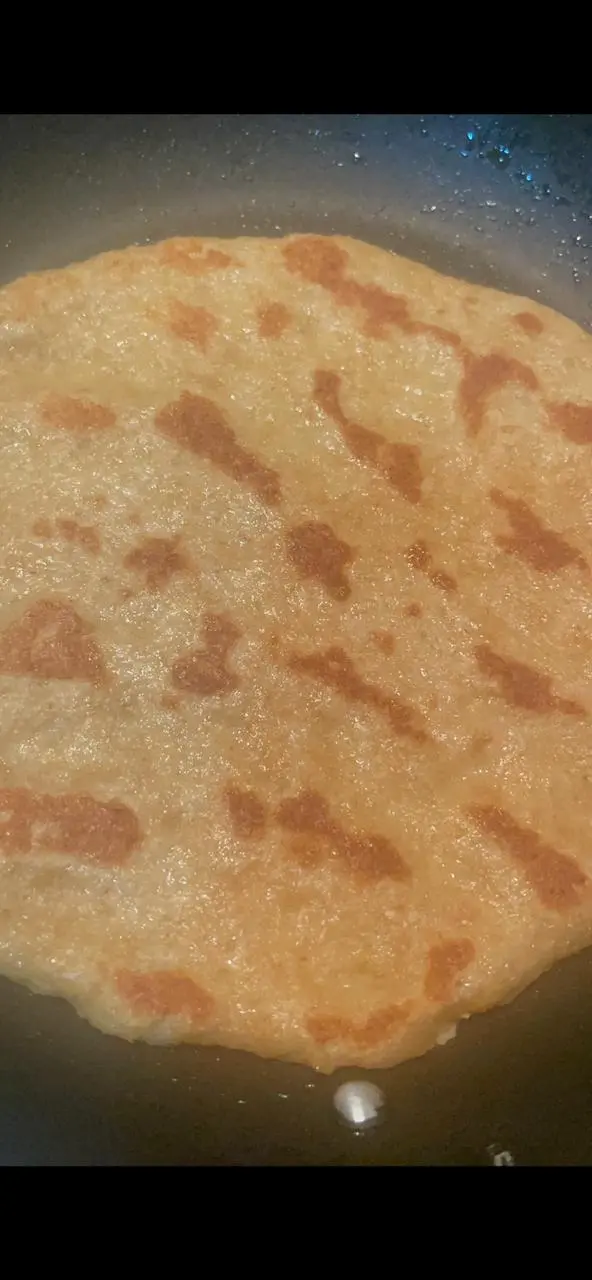
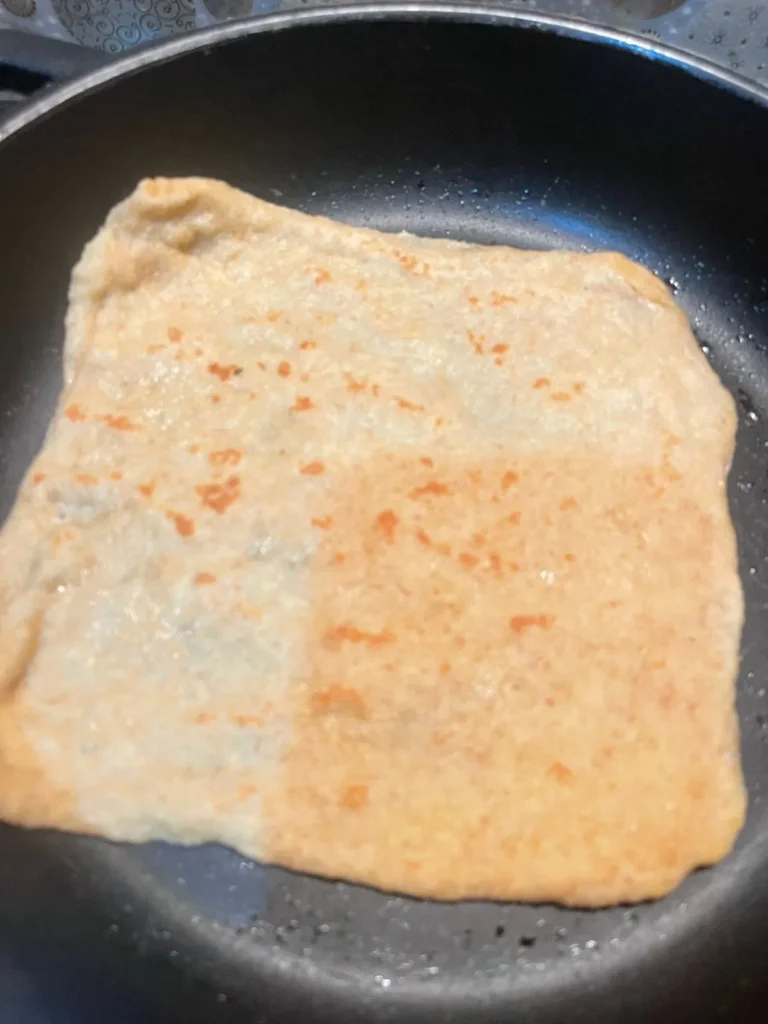
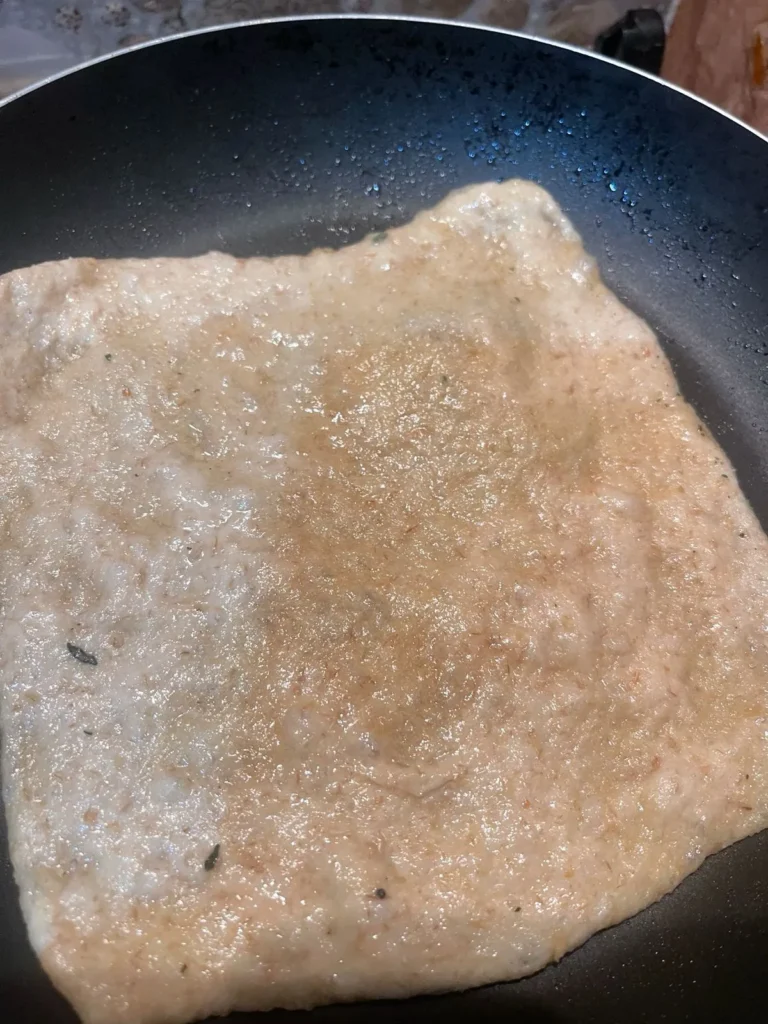
Knowing when to flip your bread is a skill developed through practice. Look for the edges to become slightly translucent and firm to the touch. You will also notice small bubbles forming on the surface, which indicates that the steam is working its magic inside.
Gently lift a corner with a spatula to check the underside. Once it displays a beautiful, mottled golden color, it is time to flip. Repeat this process until both sides are evenly crisp and cooked to perfection.
| Heat Level | Visual Cue | Action Required |
|---|---|---|
| Medium-Low | Slow bubbling | Maintain steady heat |
| Medium | Golden brown spots | Flip the bread |
| High | Dark charring | Reduce heat immediately |
Troubleshooting Common Msemen Mistakes
Even the most seasoned bakers occasionally face hurdles when preparing moroccan msemen. If your dough feels difficult to manage, remember that baking is a skill refined through observation and small adjustments. You can easily overcome these common kitchen challenges with a bit of patience.
Fixing Tough or Chewy Dough
If your finished bread feels rubbery or tough, the issue often lies in the gluten development or the resting time. Proper resting is essential because it allows the gluten strands to relax, making the dough pliable. If you rush this step, the dough will fight back during the stretching process.
Ensure you are using the right flour blend and giving the dough enough time to hydrate. If the dough remains too chewy, try adding a slightly higher ratio of all-purpose flour to semolina. This small change can significantly improve the final texture of your moroccan msemen.
Preventing the Bread from Tearing
Tearing often happens when the dough is too dry or when the surface is not sufficiently oiled. Always keep your hands and your work surface lightly coated with a mixture of oil and melted butter. This barrier prevents the dough from sticking and helps you stretch it into thin, translucent layers without breakage.
If you notice the dough snapping back or tearing, stop immediately and let it rest for another ten minutes. Forcing the dough will only lead to more frustration. A gentle touch is your best tool for achieving that signature flaky result.
Adjusting for Humidity and Temperature
Your kitchen environment plays a massive role in how your dough behaves. High humidity can make the dough feel sticky, while a cold room might make it stiff and hard to work with. You should always adjust your water usage based on the feel of the dough rather than strictly following a measurement.
If the air is very dry, you may need a splash more water to keep the dough supple. Conversely, on humid days, use a light dusting of flour to keep things manageable. Learning to read your dough is the hallmark of a true expert.
| Common Issue | Primary Cause | Quick Solution |
|---|---|---|
| Dough is too tough | Insufficient resting | Let dough rest longer |
| Bread tears easily | Lack of lubrication | Apply more oil/butter |
| Sticky dough | High humidity | Add a pinch of flour |
| Stiff dough | Cold environment | Use warm water |
Serving Suggestions for Popular Moroccan Street Food
Serving this popular Moroccan street food is an art form that celebrates both tradition and community. Much like the communal spirit found in Kenya, where young people gather around open fires to prepare chapati, the act of sharing bread brings a sense of Furaha, or pure joy, to any gathering.
Enjoying Msemen with Honey and Butter
The most classic way to enjoy your creation is by serving msemen with honey and melted butter. The warmth of the bread causes the butter to soak into the delicate, flaky layers, creating a rich and comforting flavor profile.
- Drizzle high-quality wildflower honey over the top.
- Serve with a side of softened, unsalted butter.
- Add a sprinkle of toasted sesame seeds for extra crunch.
Pairing with Savory Moroccan Msemen Fillings
If you prefer a heartier meal, you can transform your bread into a savory Moroccan msemen dish. Many street vendors offer versions stuffed with spiced ingredients that turn a simple snack into a satisfying lunch.
Consider these delicious filling combinations:
- Sautéed onions, bell peppers, and ground lamb.
- Spiced shredded chicken with fresh parsley.
- A mixture of feta cheese, olives, and sun-dried tomatoes.
The Perfect Tea Time Companion
No serving of Moroccan msemen is truly complete without a glass of traditional mint tea. The refreshing, herbal notes of the tea perfectly balance the buttery richness of the bread. This pairing is a staple in households across Morocco, serving as the ultimate invitation to slow down and connect with friends or family.
Conclusion
Creating authentic moroccan msemen is a rewarding journey that links your kitchen to a vibrant culinary heritage. Every fold and turn brings you closer to the perfect texture that defines this beloved staple.
You will find that your confidence grows with every batch you prepare. Do not let early setbacks discourage your progress in the kitchen. Each attempt serves as a valuable lesson in refining your technique and understanding the dough.
Sharing your homemade moroccan msemen with friends and family creates lasting memories around the table. This simple bread acts as a bridge to Moroccan culture and hospitality. It invites everyone to slow down and enjoy the process of slow, intentional cooking.
Keep practicing these traditional methods to make the process feel natural. You will soon master the balance of heat and timing required for professional results. Enjoy the process of bringing these delicious flavors into your home whenever the mood strikes.