What’s the Difference Between Bread Flour and All-Purpose Flour in Baking?
I remember the first time I tried to bake a crusty loaf of sourdough, only to end up with a dense, flat brick. It felt heartbreaking to waste those ingredients after hours of waiting. I soon realized that the secret to success often hides in the bag of white powder sitting in my pantry.
Thank you for reading this post, don't forget to subscribe!Understanding the difference between bread flour and all purpose flour is a game-changer for any home cook. While they look identical, their protein levels vary significantly. The former typically contains 12% to 14% protein, which creates the strong gluten network needed for a perfect rise.
Choosing the right option transforms your kitchen projects from simple experiments into professional-quality results. Once you master these basics, you will approach every recipe with newfound confidence and precision. Let’s explore how these staples shape the texture of your favorite treats.
Table of Contents
Understanding the Core Difference Between Bread Flour and All Purpose Flour
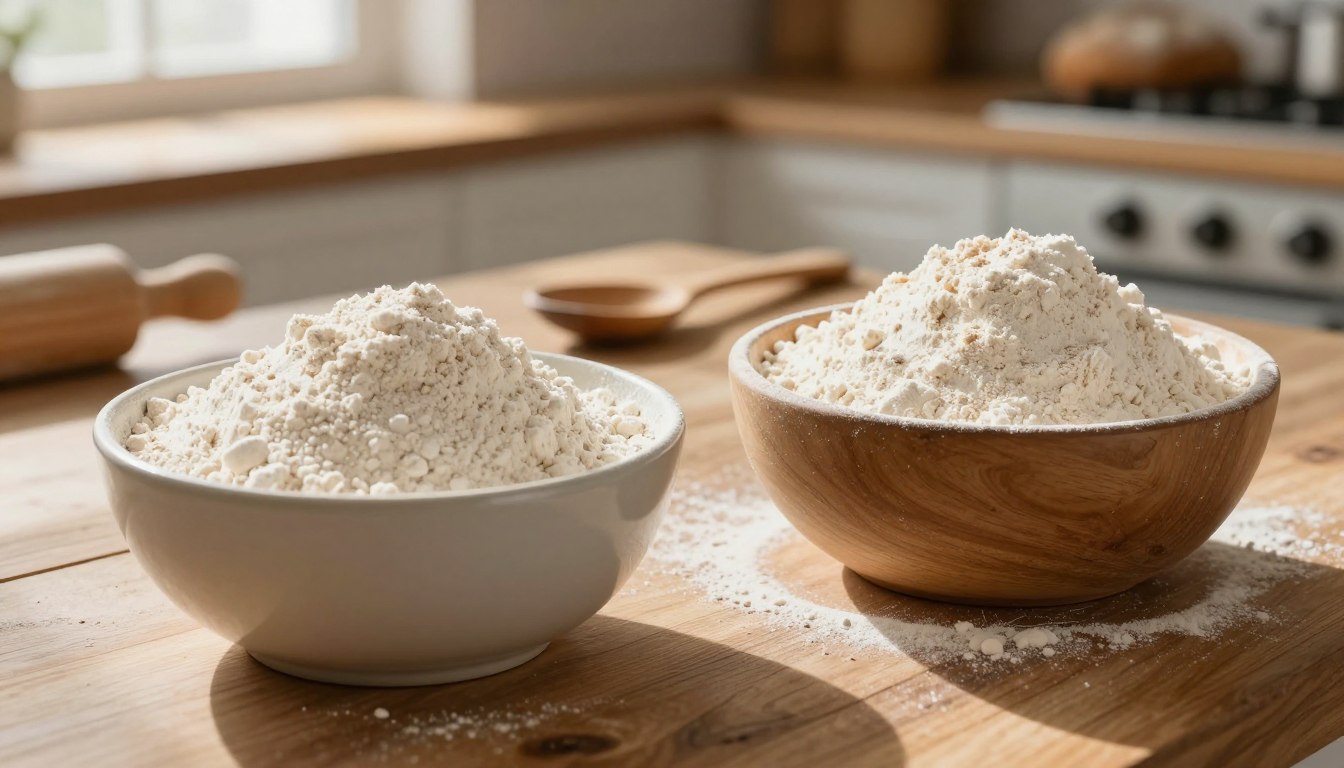
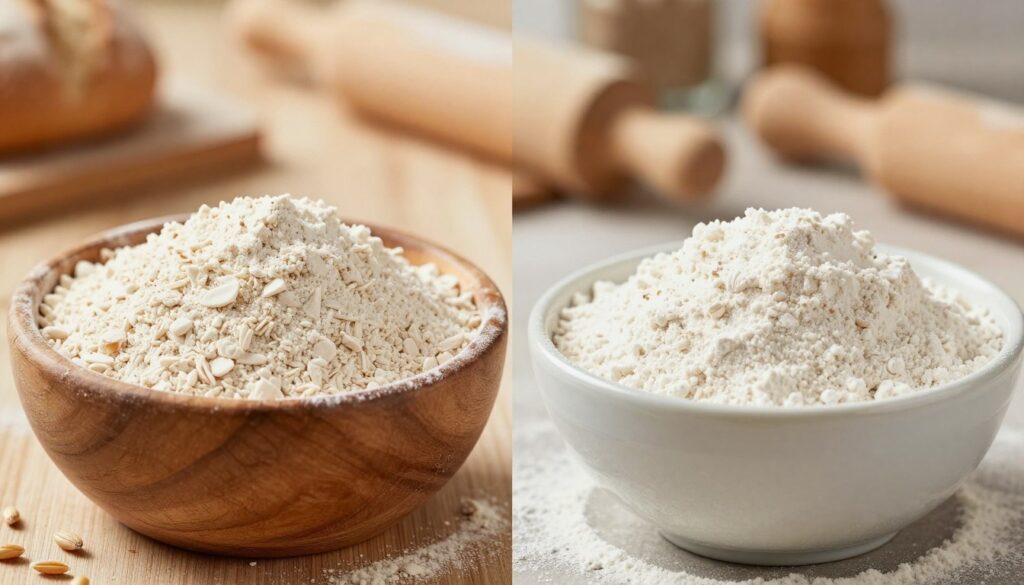
If you have ever wondered why your bread lacks that perfect chew, the answer lies in the science of protein. Many home bakers find it confusing to navigate the difference between bread flour and all purpose flour when starting a new recipe. By looking at how these ingredients behave, you can take full control of your baking results.
The Role of Protein in Flour Development
At the heart of every bag of flour are two specific proteins: glutenin and gliadin. When you add water to your flour and begin to mix, these proteins hydrate and bond together. This chemical reaction creates a stretchy, elastic network that we call gluten.
The amount of protein present in your flour determines how strong this network becomes. You can think of protein as the building blocks for your dough’s structure. Here is how protein influences your baking:
- Strength: Higher protein levels create a more robust structure.
- Elasticity: It allows the dough to stretch without tearing.
- Structure: It provides the foundation for the final shape of your loaf.
How Gluten Formation Impacts Texture
Once your gluten network is formed, it acts as a vital scaffold for your dough. As yeast consumes sugars, it releases carbon dioxide gas that gets trapped inside this elastic web. If the network is strong enough, the gas expands the dough, resulting in a beautiful, airy crumb.
When you understand the difference between bread flour and all purpose flour, you can predict the texture of your finished product. Bread flour provides a tighter, more resilient structure that is perfect for chewy crusts. In contrast, all-purpose flour creates a softer, more tender crumb that is ideal for delicate pastries and cakes.
Analyzing the Protein Content in Bread Flour vs All Purpose Flour
I have found that the difference in protein content bread flour and all purpose flour is the key to consistent results in my kitchen. While they may look identical in the bag, their chemical makeup dictates how they behave once water and yeast enter the mix.
Defining the Protein Percentage Range
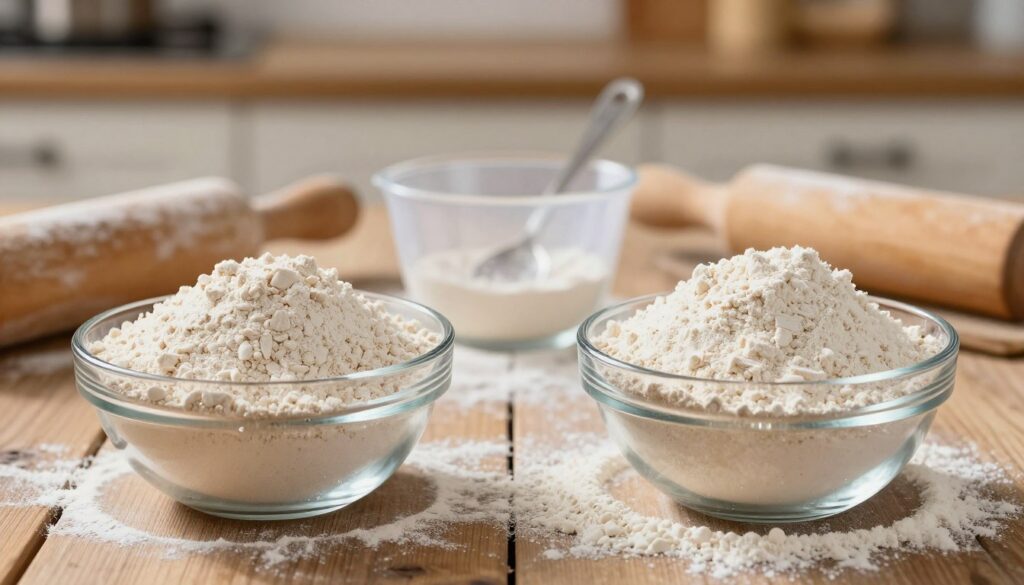
When I compare these two staples, I look closely at the protein labels. Bread flour typically boasts a protein content between 12% and 14%. In contrast, standard all-purpose flour usually sits in the 10% to 12% range.
These few percentage points might seem small, but they change everything. The following table highlights the typical breakdown I see in the grocery store:
| Flour Type | Protein Range | Best Use |
|---|---|---|
| All-Purpose | 10% – 12% | Cakes, cookies, muffins |
| Bread Flour | 12% – 14% | Crusty loaves, pizza dough |
Why Bread Flour Packs More Punch
The higher protein count in bread flour allows for superior gluten development. When I knead dough, those proteins link together to form a strong, elastic web. This structure is essential for trapping the gases produced by yeast.
Because of this, bread flour provides the following benefits:
- Better rise and volume in yeast breads.
- A chewier, more satisfying texture.
- Increased structural integrity for heavy doughs.
The Impact of Milling and Processing
The way manufacturers mill the wheat also plays a major role in the final product. During the milling process, the endosperm is ground into fine particles. Higher-protein wheat varieties are specifically selected for bread flour production to ensure that strength remains consistent.
When I choose between bread flour vs all purpose flour, I consider how much processing the grain has undergone. Some all-purpose brands are bleached or enriched, which can slightly alter their performance. Ultimately, knowing these technical ranges helps me pick the right bag for my specific baking goals.
When to Use Bread Flour for Optimal Results
Knowing when to reach for bread flour can transform your home baking from simple to professional. While many pantry staples are interchangeable, understanding the specific bread flour uses will help you decide when to prioritize structure over tenderness. I find that this high-protein option is the secret weapon for any baker aiming for a professional finish.
Identifying Recipes That Require High Gluten
You should consider using this flour whenever a recipe demands significant structural integrity. Because it contains more protein, it creates a stronger gluten network that traps gases produced by yeast. This is exactly when to use bread flour if you want your dough to rise high and hold its shape during the baking process.
Recipes that rely on a long fermentation period, such as sourdough, benefit immensely from this added strength. Without the extra protein, these doughs might collapse or fail to develop the necessary gas bubbles. It is truly the best flour for baking bread that requires a hearty, chewy texture.
Achieving the Perfect Crust and Crumb
The magic of a beautiful loaf lies in the balance between a crisp exterior and an airy interior. High-protein flour promotes better browning, which leads to a deeper, more flavorful crust. This reaction occurs because the extra protein provides more amino acids that participate in the Maillard reaction during the bake.
Inside the loaf, the strong gluten network allows for a more open and consistent crumb structure. You will notice that your bread feels lighter yet more substantial when you slice into it. It is a significant upgrade for anyone tired of dense or flat loaves.
Common Bread Flour Recipes to Try
If you are ready to experiment, there are several classic bread flour recipes that showcase its unique properties. These items rely on the flour’s ability to withstand heavy kneading and long rises. You can start your journey with these popular options:
- Sourdough Boules: The long fermentation requires the extra strength to prevent the dough from becoming slack.
- Pizza Dough: A high-protein content ensures a crust that is both crispy on the outside and chewy on the inside.
- Bagels: These require a very strong dough to survive the boiling process before they hit the oven.
- Focaccia: The structure helps support the dimples and toppings without the dough losing its airy character.
- White Sandwich Bread: This creates a sturdy loaf that holds up well to slicing and toasting.
Mastering the Use of All Purpose Flour in Your Kitchen
While specialized flours have their place, all-purpose flour remains the true workhorse of the home baker. I find that its balanced nature makes it the most reliable ingredient for a wide variety of kitchen projects. Whether you are a beginner or a seasoned pro, understanding how to use this staple effectively is essential for your success.
Why All Purpose Flour is the Versatile Workhorse
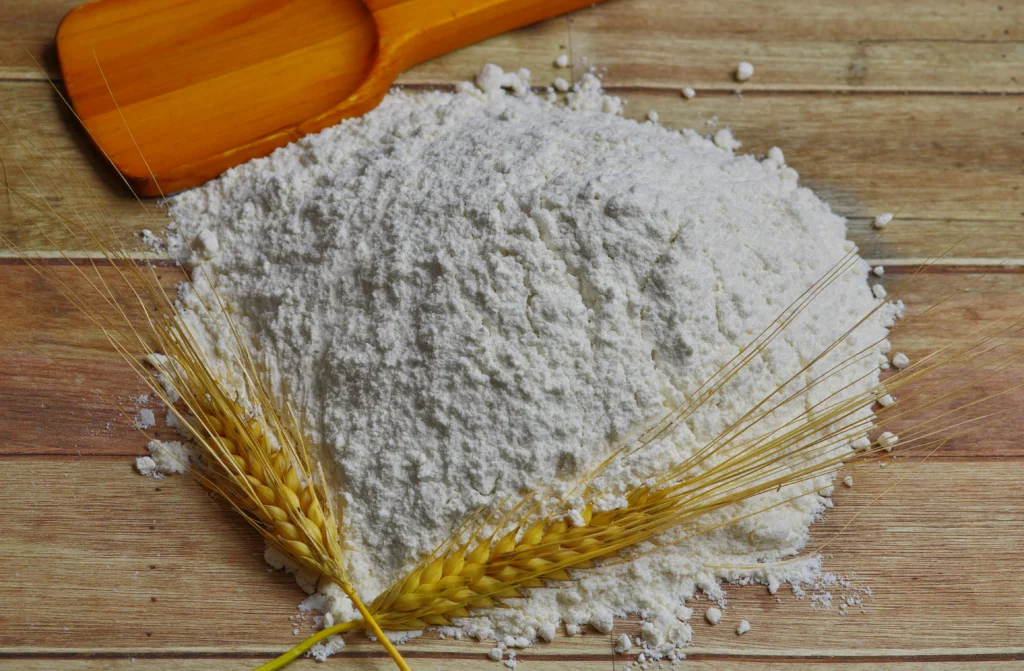
The beauty of this flour lies in its moderate protein content, which typically ranges between 9% and 11%. This balance provides enough structure for stability without making your baked goods tough or chewy. It is the perfect middle ground for almost any recipe you might encounter.
Because of this unique profile, it serves as the foundation for many pantry staples. You can rely on it to provide a consistent texture across a vast array of baked goods. It is truly the most essential tool in my collection.
When to Choose All Purpose Over Bread Flour
I always reach for all-purpose flour when I want a tender, delicate crumb. It is the ideal choice for recipes where you do not want excessive gluten development. You should prioritize this flour for the following items:
- Cookies and Brownies: It keeps them soft and prevents them from becoming too rubbery.
- Cakes and Muffins: It ensures a light, airy structure that melts in your mouth.
- Pancakes and Waffles: It creates a tender base that absorbs syrup perfectly.
- Pie Crusts: It helps achieve that desirable flaky, melt-in-your-mouth quality.
Limitations of All Purpose Flour in Yeast Breads
While it is incredibly useful, you must be aware of its boundaries. When you attempt to use all purpose flour for bread making, you might notice that your dough lacks the necessary strength to hold a high rise. The lower protein content simply cannot support the heavy structure required for artisan loaves.
If you use it for yeast breads, your final product may end up flatter or denser than expected. It lacks the elasticity that high-protein flours provide during the fermentation process. For recipes requiring a chewy, open crumb, you are better off choosing a stronger alternative.
Step-by-Step Guide to Substituting Flours in Your Baking
I often find that a simple pantry swap can save the day when I am mid-recipe. Whether you are baking a crusty loaf or a delicate pastry, knowing how to use an all purpose flour substitute effectively is a vital skill for any home baker.
Assessing the Recipe Requirements
Before you begin swapping, take a moment to look at what your recipe truly needs. If you are making a chewy artisan bread, the structure depends heavily on high protein content. If you are making a quick bread or cake, you likely need less protein to keep the crumb tender.
Adjusting Hydration Levels When Swapping Flours
When you use an all purpose flour substitute in a bread recipe, you may notice the dough feels different. All-purpose flour often absorbs slightly less water than bread flour. I recommend holding back about 10% of the liquid called for in the recipe, adding it slowly until the dough reaches the desired consistency.
Techniques for Strengthening All Purpose Flour
If you are determined to make a yeast bread but only have standard flour on hand, you can improve its performance. Strengthening the protein network is the secret to achieving that professional rise and chew.
Using Vital Wheat Gluten to Boost Protein
My favorite trick is to add vital wheat gluten to the mix. You can add 1 to 2 teaspoons of this powder per cup of all-purpose flour to mimic the characteristics of bread flour. This simple addition acts as a powerful all purpose flour substitute booster, giving your dough the elasticity it needs to trap gas bubbles.
Adjusting Kneading Times for Better Structure
Once you have fortified your flour, you should adjust your kneading process. Because the protein structure is slightly different, I find that a few extra minutes of kneading helps develop the gluten network fully. Consistent kneading ensures your final loaf has the strength to hold its shape in the oven.
Common Mistakes When Choosing the Wrong Flour
Have you ever wondered why your cookies turned out tough or your sourdough lacked that airy, open crumb? Selecting the incorrect flour type can completely change the outcome of your baking project. Understanding the nuances of bread flour vs all purpose flour is the first step toward avoiding these frustrating kitchen mishaps.
The Consequences of Using Low-Protein Flour for Sourdough
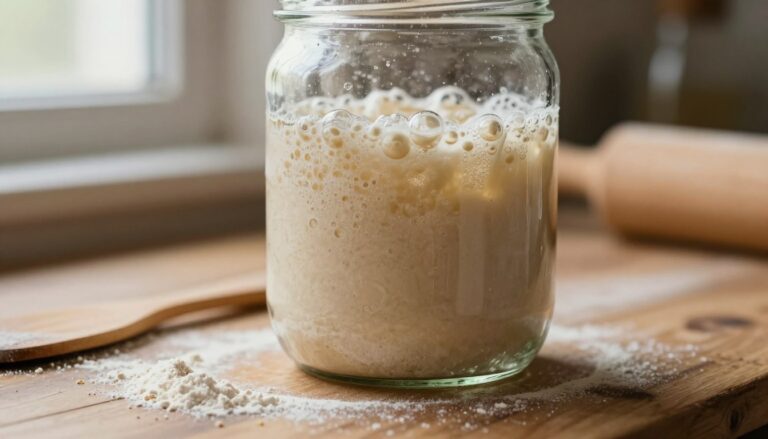
Sourdough relies heavily on a strong gluten network to trap the gases produced by wild yeast. If you mistakenly use a low-protein flour, your dough will likely struggle to hold its shape during the long fermentation process. This often results in a flat, dense loaf that lacks the signature chew we all love.
Without enough protein, the structure simply cannot support the weight of the rising dough. You might find that your bread spreads outward instead of rising upward in the oven. Always ensure you are using a high-protein option to provide the necessary strength for your sourdough starter.
Why Bread Flour Can Make Cookies Tough
It is a common misconception that stronger flour is always better for every recipe. When you use bread flour in delicate cookies, the higher protein content encourages excessive gluten formation. Overmixing the dough while using this high-protein flour will almost certainly lead to a tough, chewy texture rather than a soft, tender bite.
Cookies are meant to be tender, which is why all-purpose flour is usually the superior choice. The lower protein content in all-purpose flour prevents the dough from becoming too elastic. If you find your cookies are snapping like crackers, you have likely used a flour that is too strong for the recipe.
Troubleshooting Texture Issues in Your Baked Goods
If your baked goods are not turning out as expected, the first thing to check is your flour choice. Comparing bread flour vs all purpose flour requirements is essential when you are troubleshooting a recipe that failed. If your cake or muffin is too dense, you may have accidentally used a flour with too much protein.
Conversely, if your yeast bread is crumbling or failing to rise, you might need to switch to a higher-protein flour. Consistency is key in baking, and paying attention to these small details will help you achieve professional results. By adjusting your flour selection, you can easily fix most common texture problems in your kitchen.
Expert Tips for Storing and Selecting Your Flour
I have learned over the years that how you store your flour is just as important as the brand you choose. Investing in high-quality ingredients is the first step toward achieving professional results in your own kitchen. When you start with a reliable product, your baking becomes much more predictable and enjoyable.
Identifying Quality Flour Brands
Not all flours are created equal, and I always look for brands that prioritize consistent protein levels. I personally prefer established names like King Arthur Baking or Bob’s Red Mill because they provide reliable performance in every bag. These companies often use high-quality wheat and maintain strict milling standards.
When shopping, I recommend checking the label for the protein percentage. A reputable brand will clearly state this information, which helps you know exactly how your dough will behave. Consistency is the hallmark of a great flour brand.
Proper Storage to Maintain Freshness
Once you bring your flour home, you must protect it from moisture, heat, and pests. I find that keeping flour in its original paper bag is a recipe for disaster, as it invites pantry moths and absorbs odors. Instead, I transfer my flour into airtight containers immediately after opening.
For those who buy in bulk, specialized containers with Gamma lids are a total game-changer. These lids create a secure, airtight seal that keeps your flour fresh for months. Here are my top tips for ideal storage:
- Store containers in a cool, dark place like a pantry or cupboard.
- Keep flour away from appliances that generate heat, such as the oven or dishwasher.
- Use a dedicated scoop to prevent cross-contamination from your hands.
How to Tell if Your Flour Has Gone Bad
Even with the best storage, flour does not last forever. Whole wheat flour, in particular, contains natural oils that can turn rancid over time. I always perform a quick sensory check before starting a new recipe if the bag has been sitting for a while.
You should discard your flour if you notice any of the following warning signs:
- Off-putting odors: If the flour smells musty, sour, or like old oil, it has likely gone bad.
- Visible pests: Any signs of webbing or small insects mean the entire batch must be thrown away.
- Discoloration: If the flour has developed dark spots or an unusual tint, it is no longer safe to use.
Trust your instincts when checking your ingredients. If something feels or smells slightly off, it is better to replace the flour than to risk the quality of your final baked goods.
How to Test Your Flour for Baking Success
I find that a quick hands-on test can reveal a lot about the quality of the flour in my pantry. Before you commit to a long fermentation process, it helps to know if you are working with the best flour for baking bread. This simple evaluation gives me confidence that my dough will have the structure I need for a beautiful rise.
Performing the Simple Water-Dough Test
To start, I mix about 50 grams of flour with 30 grams of water in a small bowl. I stir it until a shaggy ball forms and then knead it by hand for about two minutes. This tiny sample is all I need to see how the proteins behave when hydrated.
Once the dough is smooth, I let it rest for about ten minutes. This resting period allows the gluten network to begin its initial development. It is a low-cost way to verify the potential of your ingredients without wasting a full batch of yeast and salt.
Observing Elasticity and Strength
After the rest, I gently stretch the dough between my fingers. If the dough is strong, it will stretch into a thin, translucent membrane without tearing immediately. This is often called the windowpane test, and it is a great indicator of high-quality protein content.
If the dough snaps back quickly or tears under light pressure, it may lack the strength required for a tall, airy loaf. Finding the best flour for baking bread often comes down to these small, observable differences in gluten development. By performing this test, I can easily decide if my flour is better suited for a crusty baguette or a delicate pastry.
Conclusion
Choosing the right base for your baked goods transforms your results from average to professional. I find that understanding the protein structure in brands like King Arthur or Bob’s Red Mill changes how you approach every recipe.
You now possess the knowledge to distinguish between high-protein options for chewy crusts and versatile blends for delicate treats. My goal is to see you experiment with confidence in your own kitchen.
Great baking starts with the small details you control before the oven door even closes. I encourage you to keep testing your ingredients to see how they react to your specific environment.
Share your favorite baking discoveries with me. I love hearing about the loaves and cookies you create using these techniques. Your journey toward becoming a skilled baker is just beginning.