Top Gluten-Free Flours for Baking Cakes, Bread, and Cookies
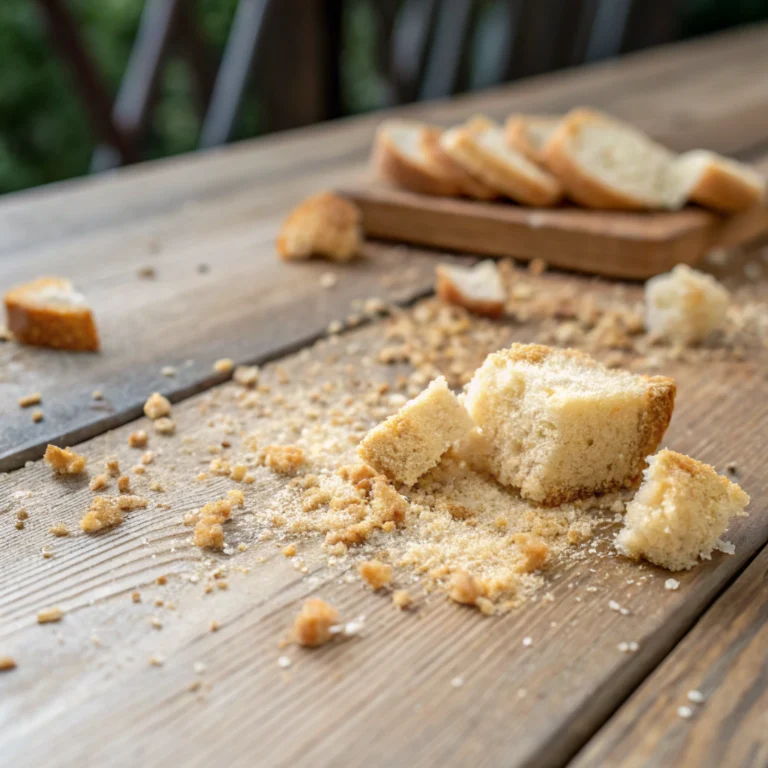
I remember the first time I tried to recreate my grandmother’s signature dessert without wheat. My kitchen felt like a disaster zone, and the final result was a crumbly, flavorless mess that left me feeling defeated. We have all been there, searching for that perfect texture that mimics traditional recipes.
Thank you for reading this post, don't forget to subscribe!Finding the best gluten free flour for baking is the first step toward mastering delicious, allergen-friendly treats in your own kitchen. I will explore how selecting a top gluten free flour can transform your results when making delicate gluten free flour for cakes or hearty loaves. This guide helps you navigate the crowded market of alternatives with confidence. By understanding the unique properties of these blends, you can ensure your homemade goods taste just as good as their traditional counterparts.
Table of Contents
Understanding the Science of Gluten-Free Baking
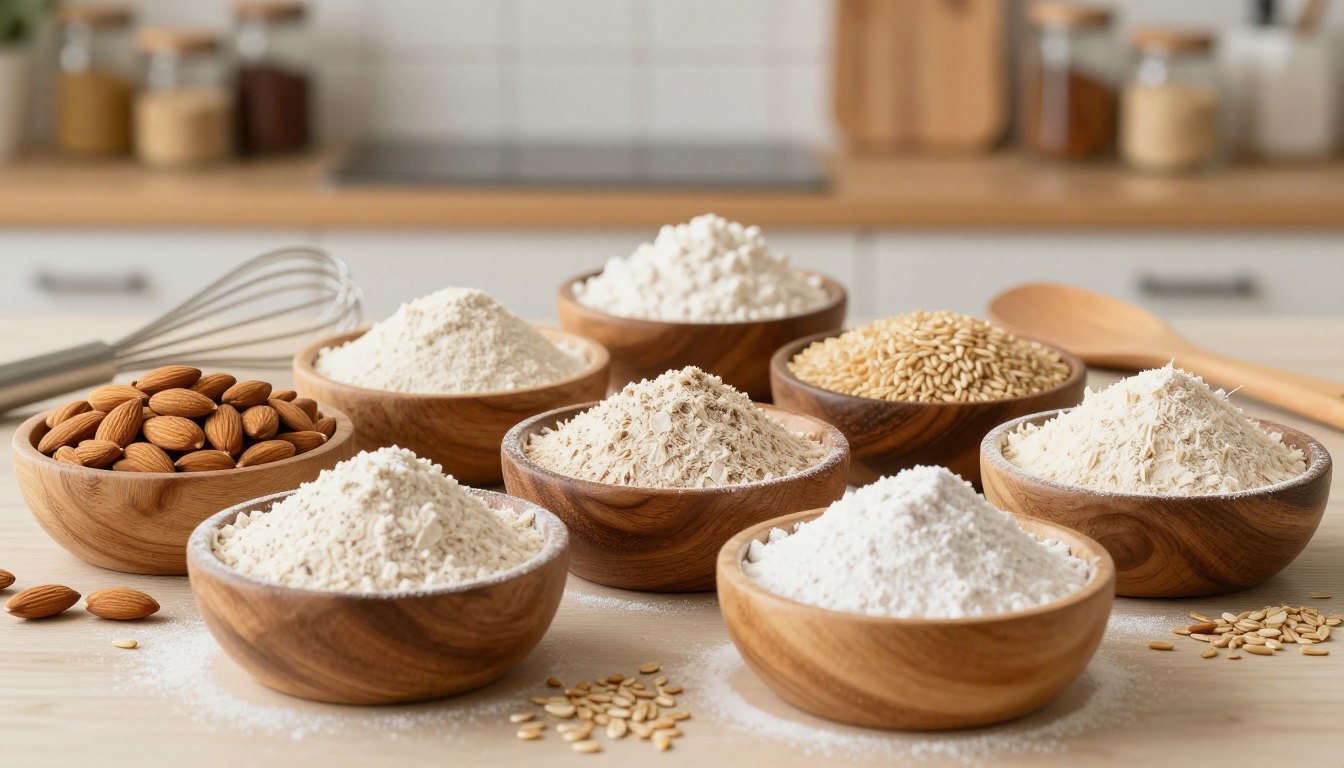
When I first started experimenting with gluten-free recipes, I quickly realized that wheat protein is the secret architect of traditional baking. Removing gluten means losing the elastic network that traps air and provides structure to our favorite breads and cakes. To achieve a professional finish, I have learned that we must intentionally rebuild that support system using specific alternative ingredients.
Why Texture Matters in Gluten-Free Treats
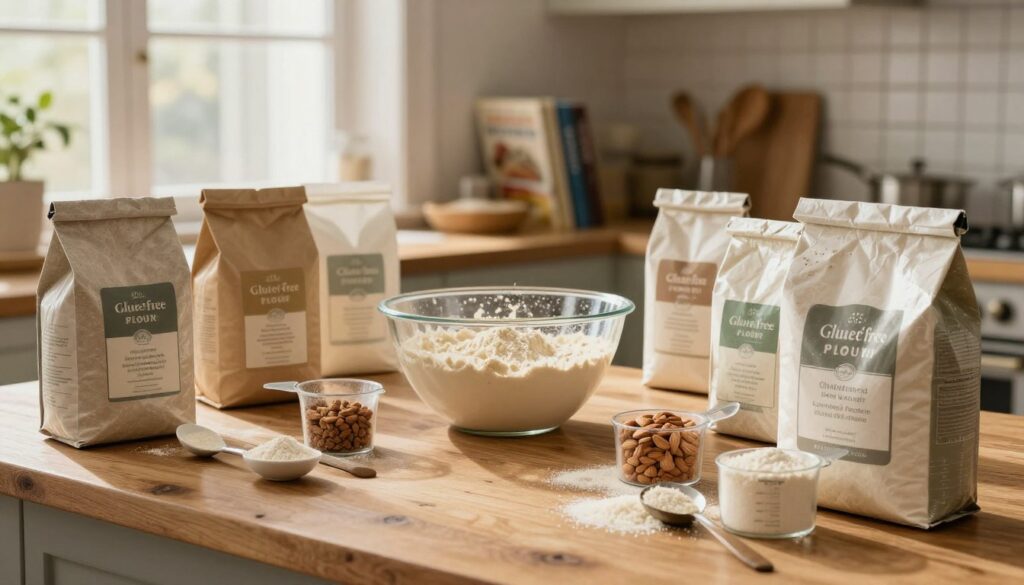
Texture is the most critical factor in determining whether a treat feels homemade or store-bought. Without the right balance, baked goods often become dry, gritty, or prone to falling apart the moment you take a bite. Achieving a perfect, moist crumb is the ultimate goal for any home baker.
I rely on thorough gluten free baking flour reviews to identify blends that mimic the mouthfeel of traditional wheat flour. When the texture is right, your cookies will have that satisfying snap, and your cakes will remain tender for days. It truly makes all the difference in how your family and friends enjoy your creations.
The Role of Xanthan Gum and Binders
To bridge the gap left by missing wheat proteins, we must rely on essential additives. These gluten free baking essentials act as the “glue” that holds your dough together, preventing your breads from becoming a crumbly mess. Without these binders, your recipes would lack the necessary structure to rise properly in the oven.
Xanthan gum is perhaps the most well-known binder, but it is not the only option available to us. Guar gum and psyllium husk also play vital roles in creating the elasticity we crave. By mastering these ingredients, you can ensure your baking projects remain consistent, stable, and delicious every single time.
My Criteria for Selecting the Best Gluten Free Flour for Baking
Navigating the world of gluten-free baking requires a clear set of standards. When I evaluate a high quality gluten free flour, I look closely at how it performs across a variety of standard kitchen applications. My goal is to find products that allow me to bake with confidence, knowing the final result will be delicious.
Flavor Profiles and Aftertastes
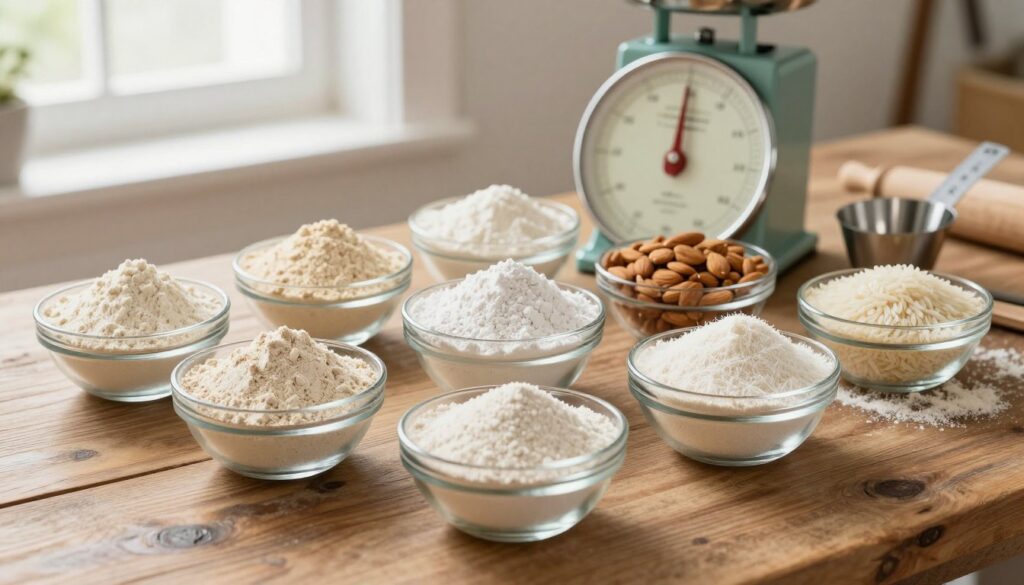
One of the biggest challenges in this space is avoiding unwanted flavors. I prioritize blends that offer a neutral flavor profile, ensuring that no strange aftertastes interfere with the sweetness of your cakes or the savory notes of your bread.
Some flours rely heavily on bean or lentil bases, which can leave a lingering, earthy taste. I prefer options that use rice, potato, or tapioca starches to keep the palate clean. Finding the best gluten free flour for baking means choosing a product that lets your ingredients shine without distraction.
Ease of Use in Traditional Recipes
I also evaluate how easily a blend can replace wheat flour in my favorite family recipes. A high quality gluten free flour should mimic the behavior of traditional wheat flour without requiring a chemistry degree to adjust your measurements.
I look for “measure-for-measure” blends that provide consistent results in cookies, muffins, and quick breads. If a flour requires me to add extra liquids or binders constantly, it rarely makes it into my permanent pantry rotation.
| Criteria | Importance | Desired Outcome |
|---|---|---|
| Flavor Neutrality | High | No bean or metallic aftertaste |
| Texture | High | Soft crumb, not gritty |
| Ease of Use | Medium | 1-to-1 ratio with wheat flour |
| Consistency | High | Reliable results every time |
King Arthur Measure for Measure Flour
If you want a seamless transition to gluten-free baking, King Arthur Measure for Measure is a game-changer. I often recommend this product to friends because it stands out as the best gluten free flour for baking when you need reliable, consistent results without the headache of complex math.
Overview of the Blend
This premium gluten free flour is designed to be a direct swap for traditional all-purpose flour. You do not need to add extra binders or adjust your liquid ratios, which saves me significant time in the kitchen.
The blend relies on a precise mix of rice flour, brown rice flour, sorghum flour, and tapioca starch. This combination mimics the structure of wheat flour, making it an incredibly versatile staple for any pantry.
Why It Excels for Cakes and Cookies
When I am looking for the perfect gluten free flour for cakes, I always reach for this blend. It produces a light, airy crumb that avoids the dense or gritty texture often found in other alternatives.
Beyond cakes, it performs beautifully in cookies, providing that classic chewiness we all love. For those interested in yeasted goods, the company also offers a specialized bread flour containing wheat starch, which delivers an authentic taste and texture that is hard to replicate.
| Product Name | Primary Use | Key Benefit |
|---|---|---|
| Measure for Measure | Cakes & Cookies | Direct 1:1 substitution |
| Gluten-Free Bread Flour | Yeasted Breads | Authentic wheat-like texture |
| All-Purpose Blend | General Baking | Best gluten free flour brand quality |
Bob’s Red Mill 1-to-1 Baking Flour
My journey into gluten-free baking was simplified the moment I discovered Bob’s Red Mill 1-to-1 Baking Flour. This product has earned its place as a staple in many pantries because of its remarkable consistency. I often rely on this high quality gluten free flour to provide a stable foundation for my most ambitious kitchen projects.
Versatility in the Kitchen
The beauty of this blend lies in its ability to adapt to various culinary needs. Whether I am whipping up a batch of chewy chocolate chip cookies or preparing a savory pie crust, the results remain impressive. It truly stands out as a top gluten free flour for those who want to avoid keeping a dozen different starches and gums on hand.
“Baking is a science, but it should also be an art that brings joy to the table without the stress of complicated ingredient swaps.”
Performance in Bread Recipes
Baking bread without wheat often presents a challenge, yet this blend handles the task with grace. I have found that it creates a satisfying texture that avoids the common pitfalls of crumbling or excessive density. It is frequently cited as the best gluten free flour brand for bakers who need a dependable, all-purpose solution for yeast-based loaves.
When I use this flour, I feel confident that my bread will rise properly and hold its shape. It provides the structure necessary for a hearty slice of toast or a soft dinner roll. For anyone struggling to find a reliable mix, this option offers the consistency required for successful home baking.
Cup4Cup Multipurpose Flour
If you want to master delicate pastries, Cup4Cup Multipurpose Flour is a game-changer. I often recommend this blend to friends who struggle to find a top gluten free flour that behaves like traditional wheat. It bridges the gap between home baking and professional results with remarkable ease.
The Secret Behind the Texture
The magic of this blend lies in its carefully balanced composition. It is designed to replicate the structure of gluten, which is usually missing in alternative baking mixes. By using high-quality starches and stabilizers, it creates a delicate, flaky texture that is hard to find elsewhere.
This is widely considered a top rated gluten free flour because it does not leave a gritty aftertaste. I find that it mimics the elasticity of wheat, allowing doughs to hold their shape during the baking process. This consistency is vital for anyone who takes their baking seriously.
Best Applications for Pastries
When I need a reliable gluten free flour for cakes, this is my go-to choice. It produces a fine, soft crumb that melts in your mouth, making it perfect for sponges and light desserts. You will notice that your cakes rise beautifully and maintain a moist interior long after they leave the oven.
Beyond cakes, this flour excels in recipes that require a light touch. Whether you are making pie crusts or delicate cookies, the results are consistently impressive. The following table highlights why this blend is a staple in my pantry:
| Feature | Performance | Benefit |
|---|---|---|
| Texture | Fine and Airy | Professional mouthfeel |
| Flavor | Neutral | Versatile for any recipe |
| Structure | Stable | Prevents crumbling |
Pamela’s All-Purpose Artisan Blend
My journey through various gluten free baking flour reviews led me to discover the impressive performance of Pamela’s All-Purpose Artisan Blend. This product has earned a permanent spot in my pantry because it balances health-conscious ingredients with reliable results. I find that it works exceptionally well for bakers who want to avoid fillers while maintaining high standards for their treats.
Nutrient Density and Ingredients
What sets this blend apart is the thoughtful combination of brown rice flour, tapioca starch, and sorghum flour. These ingredients provide a nutrient-dense profile that is often missing in standard white rice flour mixes. By incorporating these grains, the blend offers a more complex flavor that enhances the overall quality of your baked goods.
I appreciate that the manufacturer prioritizes quality over cheap additives. This commitment to better ingredients ensures that you are not just baking for taste, but also for better nutritional value. It is a top rated gluten free flour that respects the needs of those with dietary restrictions.
Achieving the Perfect Crumb
The true test of any flour is how it handles the structure of a muffin or a quick bread. I have found that this blend creates a tender, moist crumb that does not crumble apart when sliced. It holds its shape beautifully in cookies, providing that classic chewiness we all crave in a homemade treat.
The secret lies in how the starches interact with the heavier flours during the baking process. This synergy allows the dough to rise properly and maintain a stable structure. Whether you are making delicate pastries or hearty loaves, the consistency remains impressive.
| Feature | Benefit | Result |
|---|---|---|
| Brown Rice Base | Nutrient Density | Wholesome Flavor |
| Tapioca Starch | Binding Power | Perfect Crumb |
| Sorghum Flour | Structural Integrity | Consistent Texture |
Better Batter Original Blend
My journey through gluten-free baking has led me to many products, yet few offer the dependability of Better Batter Original Blend. It frequently appears in gluten free baking flour reviews because it removes much of the guesswork from the process. I find that this blend acts as a reliable foundation for almost any recipe I attempt.
Consistency Across Different Ovens
One of the biggest challenges for home bakers is the variation in oven performance. I have tested this blend in both gas and electric ovens with remarkably consistent results. It handles temperature fluctuations well, which prevents the dreaded collapse often seen in gluten-free cakes.
Because it is a top rated gluten free flour, it provides a predictable crumb structure regardless of the heat source. You can trust that your cookies will spread evenly and your muffins will rise to the perfect height. This level of reliability is exactly why I keep it stocked in my pantry at all times.

My Experience with Yeast-Based Breads
Working with yeast is notoriously difficult when you remove gluten from the equation. However, I have found that this blend provides the necessary structure to support a proper rise. My loaves come out with a satisfying texture that mimics traditional wheat bread quite closely.
When reading various gluten free baking flour reviews, you will notice that many users praise its ability to hold air bubbles during the proofing stage. This is a top rated gluten free flour for those who miss the chewiness of a fresh, crusty loaf. It truly bridges the gap between specialized dietary needs and authentic baking quality.
| Feature | Performance | Benefit |
|---|---|---|
| Oven Stability | High | Prevents sinking |
| Yeast Rise | Excellent | Light, airy crumb |
| Flavor Profile | Neutral | Versatile use |
| Ease of Use | Simple | Beginner friendly |
Authentic Foods Multi-Blend Flour
Achieving professional results in your own kitchen requires the right foundation, and this specific flour blend offers exactly that. Many home bakers find that standard mixes lack the structure needed for complex recipes. By choosing a premium gluten free flour, you can bridge the gap between amateur efforts and bakery-quality treats.
Professional Results at Home
The secret to this blend lies in its sophisticated milling process. Much like the slow grinding techniques used by experts such as Caputo to preserve starch and protein, this flour maintains the integrity of its ingredients. This careful approach ensures that your baked goods have a superior texture that is often missing from mass-produced alternatives.
When you use this high quality gluten free flour, you will notice a significant difference in how your dough handles. It provides the stability required for consistent baking, allowing you to replicate the results of a professional kitchen. Here are a few reasons why this blend stands out:
- Consistent protein structure for better rise.
- Fine grind that mimics traditional wheat flour.
- Neutral flavor profile that does not overpower your ingredients.
Handling Delicate Baking Projects
I often turn to this blend when I am working on intricate pastries or light, airy sponges. These projects are notoriously difficult, but this premium gluten free flour offers the refinement needed to succeed. It creates a delicate crumb that holds its shape without becoming dense or gummy.
To help you understand how this flour performs compared to standard options, I have outlined its key characteristics below:
| Feature | Standard Mix | Authentic Foods Blend |
|---|---|---|
| Grind Quality | Coarse | Fine/Professional |
| Starch Integrity | Low | High |
| Best Use | Simple Cookies | Pastries & Sponges |
Using a high quality gluten free flour allows you to experiment with confidence. Whether you are crafting a delicate sponge cake or a flaky crust, the results will speak for themselves. You will find that your baking projects reach a new level of excellence with this reliable blend.
Essential Tips for Measuring Gluten-Free Flours
Precision is the secret ingredient that separates a failed bake from a professional-quality treat. When you work with gluten free baking essentials, accuracy becomes your best friend in the kitchen. Even a tiny deviation in your measurements can lead to a dense or crumbly result that misses the mark.
The Importance of Weighing Ingredients
I always recommend using a digital kitchen scale rather than traditional measuring cups. Volume-based measurements are notoriously unreliable because flour can easily pack down, leading you to use far more than the recipe requires. By weighing your premium gluten free flour in grams, you ensure that your ratios remain perfect every single time.
Consistency is the key to mastering complex recipes like breads or delicate pastries. When you weigh your ingredients, you remove the guesswork that often plagues home bakers. This simple habit will elevate your results and make your time in the kitchen much more enjoyable.
Avoiding Common Baking Pitfalls
One of the most frequent mistakes I see is improper hydration of the flour blend. Gluten-free flours often absorb moisture differently than wheat flour, so following the weight requirements is vital to achieving the right dough consistency. If you find your batter looks too dry, resist the urge to add more flour until you have verified your initial measurements.
Safety is another critical aspect of your process, especially if you are managing sensitivities. I highly suggest looking into the resources provided by companies like King Arthur, which offer excellent guidance on allergen and cross-contact prevention. Keeping your workspace clean and using dedicated tools are vital gluten free baking essentials that protect your health.
By focusing on these technical details, you will find that working with premium gluten free flour becomes second nature. Do not let small errors discourage you from your baking journey. With a scale in hand and a careful eye on your process, you can create delicious treats that everyone will love.
Storing Your Gluten-Free Flours for Maximum Freshness
Proper storage is the secret to maintaining the quality of your gluten free baking essentials. Because many of these flours contain high oil content from nuts, seeds, or beans, they are naturally prone to degradation. I have found that taking a few extra steps to protect your ingredients ensures that every loaf or cookie you bake tastes as fresh as the day you bought the flour.
Pantry Versus Freezer Storage
Deciding where to keep your flour depends largely on how quickly you plan to use it. If you bake frequently, a cool, dark pantry is usually sufficient for most blends. However, if you buy in bulk or bake only on special occasions, the freezer is your best friend.
Freezing your flour effectively pauses the aging process. I always recommend placing your flour in an airtight, freezer-safe bag or container to prevent moisture buildup. This simple habit keeps your ingredients stable for months longer than room temperature storage would allow.
“The quality of your final bake is directly tied to the freshness of your ingredients; never underestimate the power of a cold, dark storage space.”
Preventing Oxidation and Rancidity
Oxidation occurs when fats in the flour are exposed to air, light, or heat, leading to an unpleasant, bitter taste. You can easily identify rancid flour by its off-putting, sour smell or a slightly yellowed appearance. To avoid this, always keep your bags tightly sealed and away from heat sources like your oven or dishwasher.
By rotating your stock and using older bags first, you can maintain the integrity of your gluten free baking essentials. Use the following table to help you organize your storage strategy for the best results.
| Storage Method | Ideal Duration | Best For |
|---|---|---|
| Pantry (Airtight) | 1–3 Months | Frequent bakers |
| Refrigerator | 3–6 Months | Medium-term use |
| Freezer | 6–12 Months | Bulk storage |
Ultimately, treating your ingredients with care is a vital part of your gluten free baking essentials routine. When you prioritize proper storage, you protect your investment and ensure that your kitchen is always ready for your next delicious project.
Conclusion
Selecting the right ingredients serves as the foundation for every successful recipe in your home kitchen. I hope this guide helps you identify the best gluten free flour brand to suit your specific baking style.
You now possess the knowledge to choose between blends like King Arthur or Bob’s Red Mill with confidence. Each brand offers unique properties that change how your cakes, cookies, and breads turn out.
Quality ingredients remain the secret to professional results. I encourage you to weigh your flour carefully and store your bags in a cool, dry place to maintain peak freshness.
Finding the best gluten free flour brand takes a bit of experimentation in your own oven. Do not be afraid to test different ratios or recipes to see what works for your family.
Your journey toward delicious, safe treats starts with these simple steps. I look forward to hearing about the wonderful creations you bake as you continue to refine your skills.