Mexican Bread Names: Discover Traditional Pan Dulce Varieties
I still remember the first time I stepped into a local bakery, greeted by the warm, sweet scent of sugar and yeast. It felt like coming home, even though I was surrounded by treats I barely recognized. Learning the traditional mexican bread names changed everything for me, turning a simple visit into a delightful culinary adventure.
Thank you for reading this post, don't forget to subscribe!There is something truly magical about the way these baked goods bring people together. Whether you are grabbing a quick morning snack or sharing a box with friends, these items hold a special place in our hearts. I want to help you navigate this vibrant world with confidence and joy.
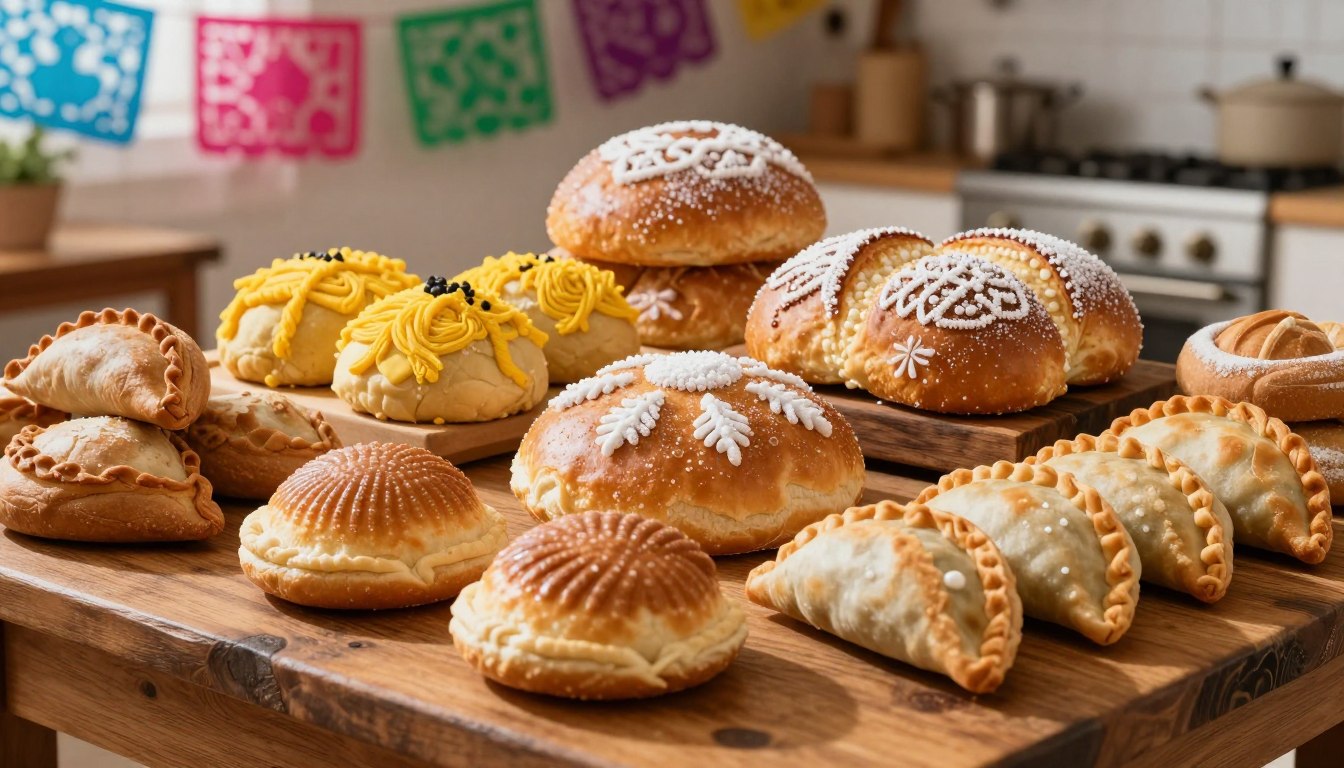
In this guide, I will walk you through the most popular varieties you will encounter. We will explore the unique textures and flavors that make each piece special. By the end of our journey, you will feel like a regular at any bakery you visit.
Table of Contents
Understanding the World of Traditional Mexican Bread Names
I believe that understanding traditional mexican bread names transforms a simple snack into a cultural journey. When I learn the history behind these titles, the experience of eating them becomes much more meaningful and enjoyable. It allows me to truly appreciate the craftsmanship that goes into every single batch of dough.
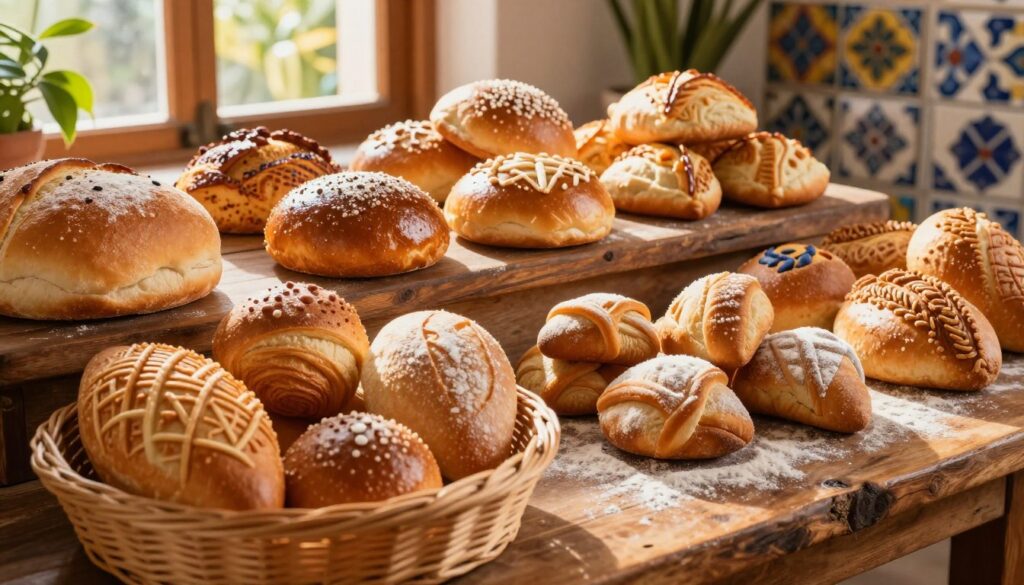
These names are rarely random; they often serve as a direct description of the bread itself. You will find that many titles highlight the specific shape, texture, or even the cultural origin of the pastry. By recognizing these patterns, you can better predict the flavor profile of what you are about to enjoy.
Think of this section as your foundational knowledge base before we explore the specific varieties you will encounter. Mastering these traditional mexican bread names will help you navigate any local bakery with confidence. I find that once you know what to look for, the entire process of selecting your favorite treat becomes a delightful adventure.
Step One: Navigating the Local Panadería
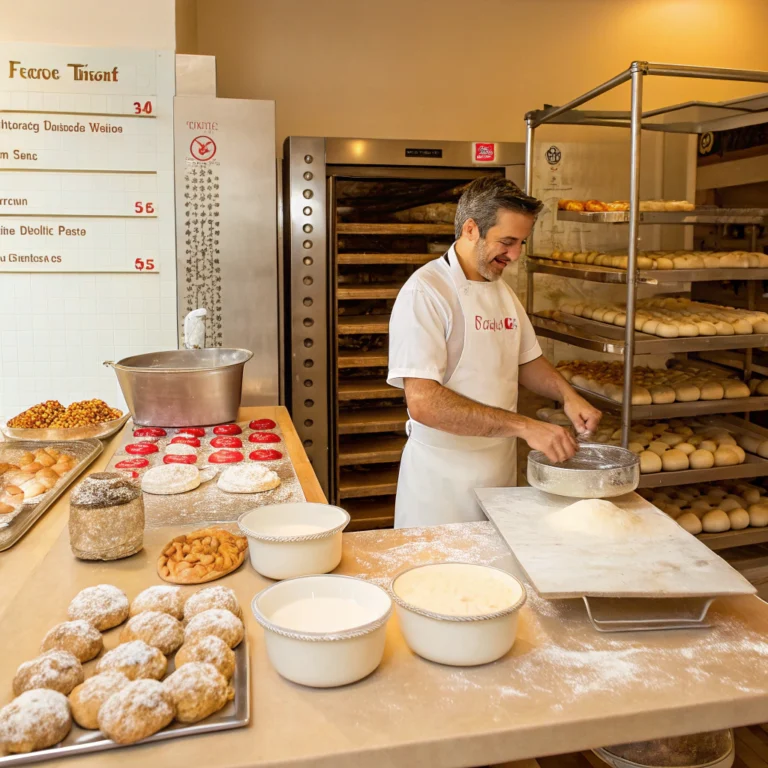
Navigating a traditional panadería is a skill that turns a simple errand into a delightful culinary adventure. When you first walk through the doors, the aroma of warm yeast and sugar is often overwhelming in the best way possible. Do not worry if you feel unsure at first, as the self-service system is designed to be intuitive and welcoming for everyone.
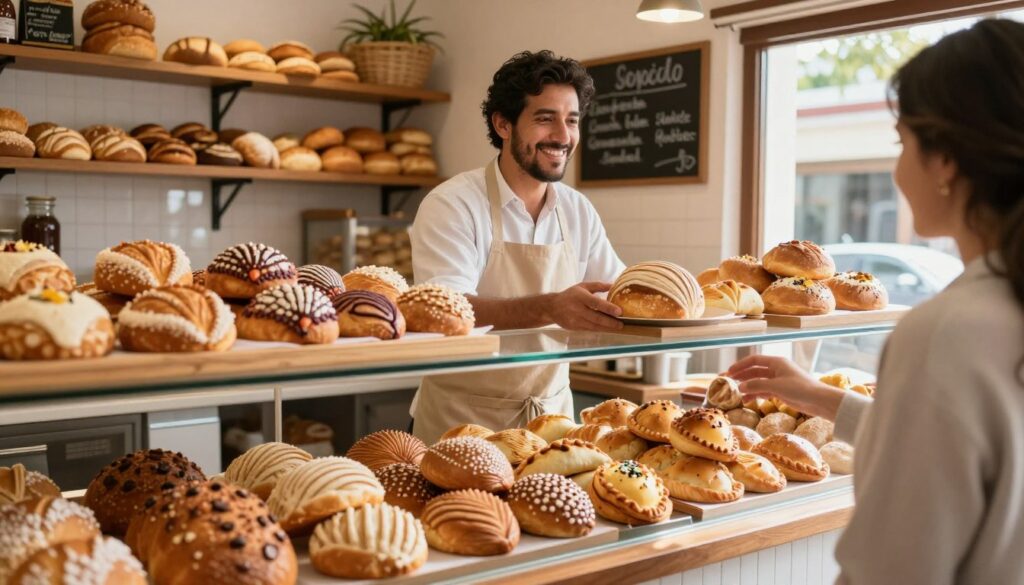
How to use the tongs and tray system
The process is quite straightforward once you know the routine. Upon entering, look for a stack of metal trays and a container of metal tongs near the entrance or the start of the display cases. You simply grab a tray in one hand and the tongs in the other to begin your journey.
As you walk along the glass cases, use the tongs to pick up your chosen pieces of bread. Always place your selections carefully onto your tray to keep them intact. Once you have filled your tray with your favorite treats, head to the counter where a staff member will bag them up for you.
Identifying the freshest batches
I always keep a sharp eye out for the batches that have just been brought out from the back. These items are usually the softest and offer the most delightful warmth. You can often spot them because they are placed in the front of the display or are still slightly steaming.
If you are unsure about the freshness, do not hesitate to ask the staff behind the counter. They are usually proud of their work and will happily point you toward the most recent arrivals. Choosing the right items ensures you get the best texture and flavor experience possible.
| Bread Type | Texture | Best Time to Buy |
|---|---|---|
| Conchas | Soft and fluffy | Early morning |
| Orejas | Crispy and flaky | Mid-morning |
| Bolillos | Crusty exterior | Fresh from oven |
Step Two: Mastering the Iconic Concha
I find that the most recognizable treat in any panadería is undoubtedly the sweet, shell-shaped concha. This bread serves as the ultimate symbol of Mexican baking traditions, capturing the hearts of locals and visitors alike. Its soft, brioche-like dough provides a delightful contrast to the sugary, crunchy topping that defines its unique character.
The history of the sugar-crusted shell
The name of this pastry comes from the Spanish word for “shell,” which perfectly describes the pattern pressed into the sugar crust. Bakers traditionally use a special stamp to create these ridges, mimicking the look of a seashell. This artisan technique has been passed down through generations, ensuring that every concha maintains its classic appearance and texture.
Pairing conchas with hot chocolate
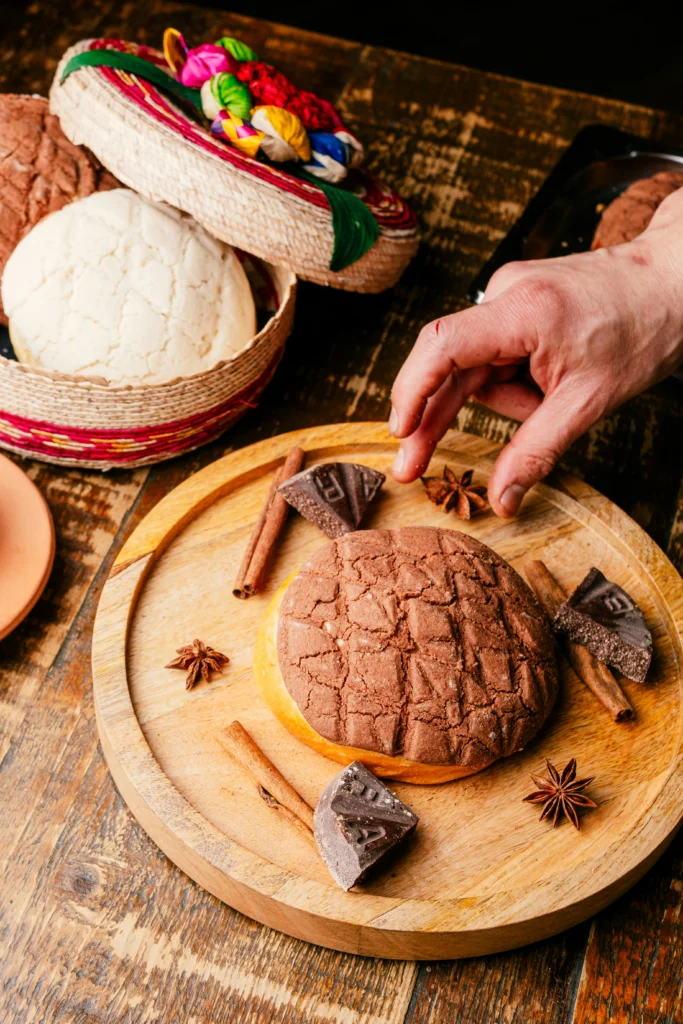
When I enjoy a fresh concha, I highly recommend dipping it into a steaming mug of Mexican hot chocolate. The warmth of the drink softens the bread, while the chocolate notes complement the sweetness of the crust. This classic combination is a staple in many Mexican households, especially during chilly mornings or quiet evenings.
The ritual of “chochopear,” or dipping your bread, is an essential part of the experience. By submerging the concha, you allow the dough to absorb the rich, spiced cocoa. It is truly the best way to appreciate the authentic flavors of this beloved sweet bread.
Step Three: Exploring Flaky and Buttery Pastries
There is something truly magical about the way these buttery layers shatter with every bite. If you enjoy the rich, airy texture of laminated dough, you will absolutely fall in love with the options found in a traditional shop. These pastries represent the pinnacle of baking skill, requiring patience and precision to achieve that perfect, light consistency.
The delicate layers of Orejas
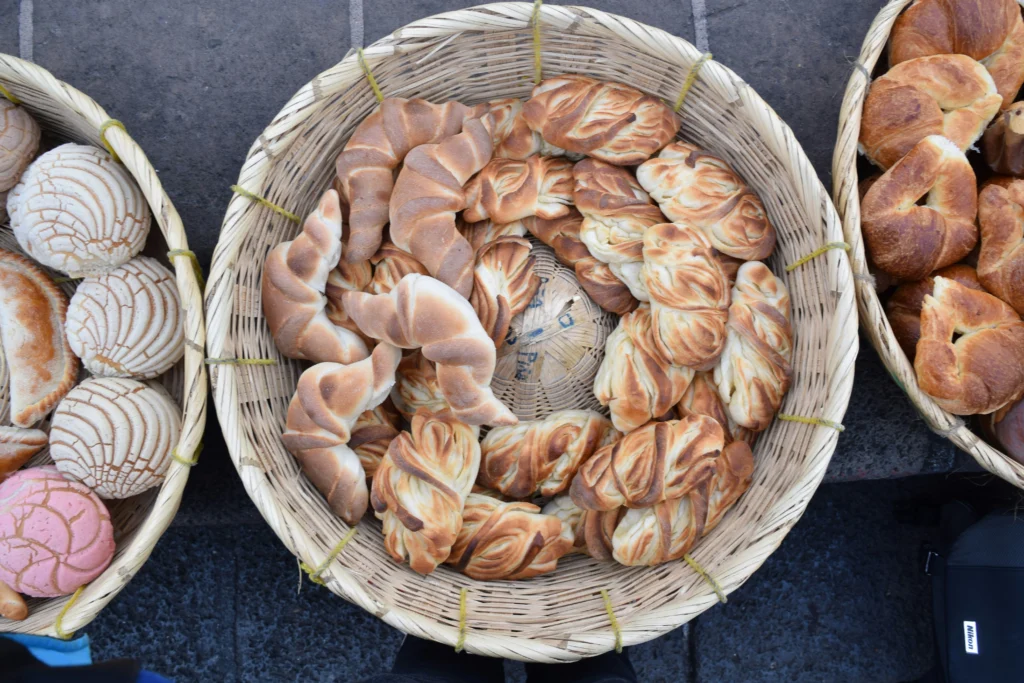
The name orejas translates directly to “ears,” which perfectly describes their distinct, folded shape. I find these treats incredibly satisfying because of their light, airy structure that melts away as you eat them. When looking for the best quality, I always check for a golden-brown color and a visible, flaky lamination that indicates the dough was folded properly.
The caramelized crunch of Campechanas
If you prefer a more intense texture, you must try campechanas. These pastries are famous for their unique, caramelized crunch that shatters into dozens of pieces the moment you take a bite. The secret lies in the thin sugar glaze that hardens during the baking process, creating a delightful contrast between the crispy exterior and the tender, buttery interior.
Step Four: Identifying Soft and Sweet Bread Varieties
My journey through the bakery shelves always leads me to these incredibly soft and comforting staples. While flaky pastries have their place, there is something truly special about bread that feels like a warm hug. These varieties are perfect for those moments when you need a gentle, sweet treat to brighten your day.
The crescent shape of Cuernos
You can easily spot cuernos by their distinct crescent shape, which resembles a small horn. These breads are a staple in many households because of their simple, slightly sweet dough. I personally love to enjoy them with a hot cup of coffee, as the mild flavor balances perfectly with a bold roast.
“The simplest breads are often the ones that hold the most memories, offering a soft sweetness that feels like home.”
Understanding the texture of Borrachos
If you are looking for something truly unique, you must try borrachos. The name translates to “drunken ones,” which hints at their incredibly moist and dense crumb. I find their texture distinct from any other item on the shelf, as they seem to melt away with every bite.
Because they are so soft, they provide a satisfying experience that is quite different from the crunch of a pastry. They are the ultimate comfort food for an afternoon snack when you want something rich and tender. Below is a quick guide to help you choose between these two delightful options.
| Bread Variety | Primary Texture | Best Pairing |
|---|---|---|
| Cuernos | Light and airy | Morning coffee |
| Borrachos | Moist and dense | Afternoon tea |
| Sweetness Level | Mildly sweet | Richly sweet |
Step Five: Savory Staples for Your Daily Meals
While sweet treats often steal the spotlight, savory staples are the true backbone of the Mexican kitchen. I rely on these items daily because they provide a hearty foundation for almost any meal. Among these, bolillos stand out as the most essential bread you will find in any local shop.
The versatility of the Bolillo
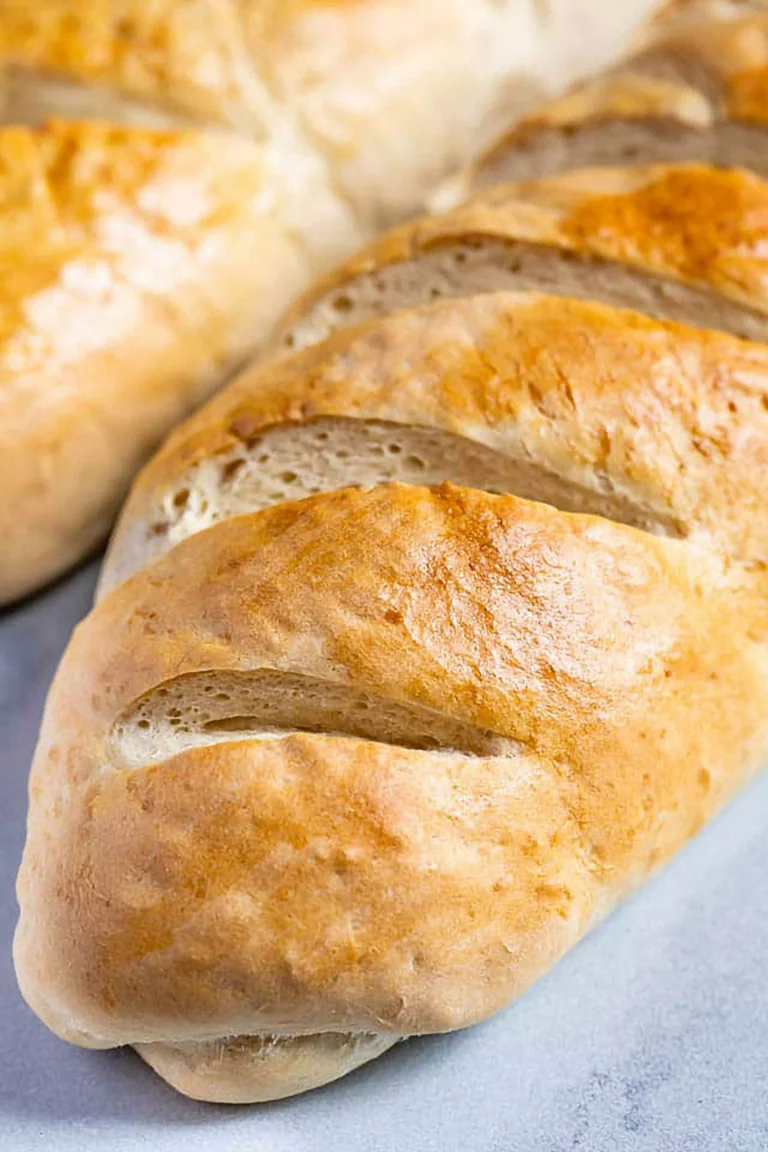
The bolillo is a classic white bread roll that features a distinct, football-like shape. It is famous for its crunchy, golden crust and a soft, airy interior that absorbs flavors perfectly. Because of this unique texture, it serves as the ideal vessel for a variety of dishes.
I often use these rolls for:
- Classic tortas filled with meats and avocado.
- A simple side to soak up rich, spicy stews.
- A quick breakfast base when toasted with butter.
Creating the perfect Molletes
One of my favorite ways to transform these rolls is by making molletes. This dish is a staple in many households because it is both filling and incredibly easy to prepare. To make them, you simply slice the bread in half and scoop out a bit of the soft center.
Once prepared, follow these steps for the best results:
- Spread a generous layer of refried beans over the bread.
- Top with plenty of shredded cheese, such as Oaxaca or Monterey Jack.
- Place them under the broiler until the cheese is bubbly and slightly browned.
Serving these molletes with a fresh pico de gallo salsa adds a bright, acidic kick that balances the richness of the beans and cheese. It is a simple, comforting meal that highlights why these savory staples are so beloved in my kitchen.
Step Six: Seasonal Specialties and Holiday Traditions
I find that the most magical moments in a bakery happen when seasonal treats arrive. These limited-time offerings transform the shelves and bring a sense of excitement to my weekly visits. Beyond the standard loaves, these festive items connect me to the rich heritage of Mexican baking.
The cultural significance of Pan de Muerto
The most iconic of these seasonal delights is undoubtedly the pan de muerto. This soft, sweet bread is crafted specifically to honor loved ones during the Day of the Dead celebrations. Its unique shape often features dough strips arranged to represent bones, symbolizing the cycle of life and death.
“Food is the bridge that connects us to our ancestors, and every bite of this bread tells a story of remembrance and love.”
When I enjoy pan de muerto, I feel a deep sense of respect for the traditions it represents. It is not just a snack; it is a meaningful part of a cultural ritual that brings families together. The orange blossom water often used in the dough gives it a distinct, floral aroma that I look forward to every autumn.
When to look for seasonal treats
Timing is everything when you want to catch these specialties at their peak. While some items appear for a few weeks, others are strictly tied to specific calendar dates. I recommend checking your local bakery early in the season to ensure you do not miss out on the freshest batches of pan de muerto.
| Holiday/Season | Featured Bread | Best Time to Buy |
|---|---|---|
| Day of the Dead | Pan de Muerto | Late October |
| Christmas Season | Rosca de Reyes | Early January |
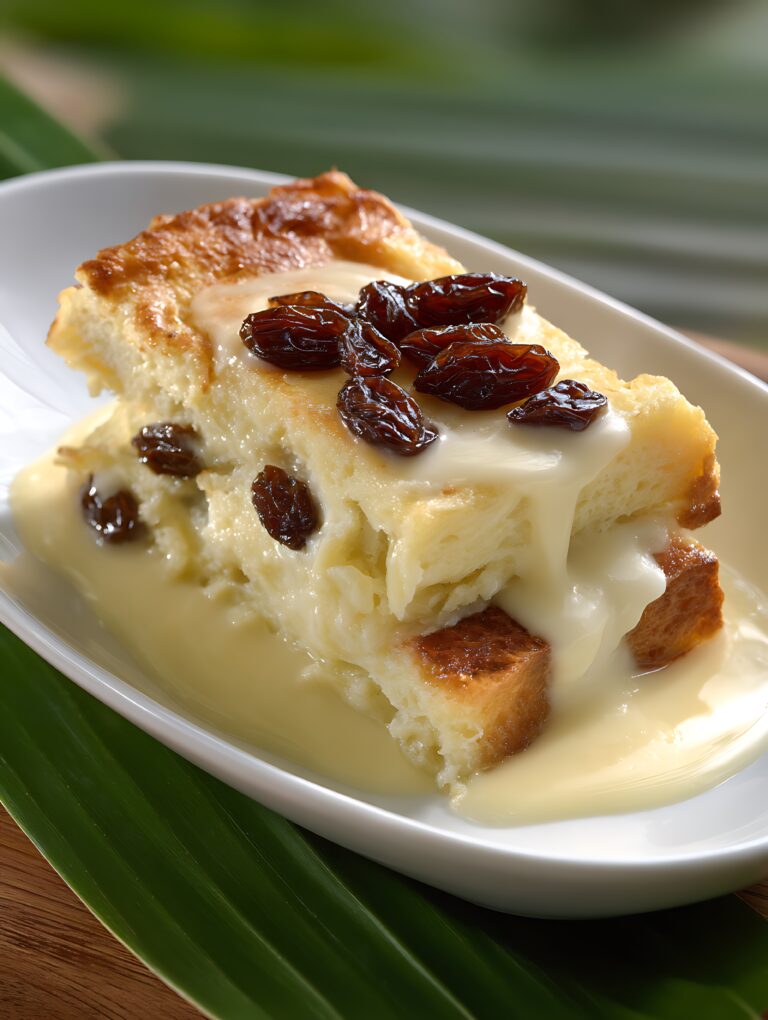
| Lent/Easter | Capirotada | March or April |
Keeping track of these dates helps me plan my visits so I can enjoy each treat at the perfect moment. Whether it is the start of the fall season or the beginning of the new year, there is always something special waiting in the display case. Embracing these cycles makes my journey through the world of Mexican bread even more rewarding.
Step Seven: Storing and Refreshing Your Pan Dulce
Bringing home a fresh batch of pan dulce is a joy, but keeping it delicious for later requires a bit of know-how. I have found that the secret to enjoying these treats throughout the week lies in how you manage their environment. With the right approach, you can maintain that perfect texture and flavor long after your visit to the bakery.
Best practices for keeping bread soft
To keep your bread from drying out, I always recommend using an airtight container or a paper bag. Plastic bags can trap too much moisture, which often makes the sugar crust on items like conchas become sticky or soggy. Storing your bread in a cool, dry place is the best way to preserve its quality for up to two days.
“Bread is the most honest food, a simple mixture of flour, water, and yeast that brings comfort to every table.”
If you have a large variety of items, it helps to organize them based on their sugar content and density. The following table outlines the best storage methods to ensure your treats stay in top condition.
| Bread Type | Storage Method | Shelf Life |
|---|---|---|
| Conchas | Paper Bag | 1-2 Days |
| Bolillos | Bread Box | 1 Day |
| Orejas | Airtight Container | 3-4 Days |
How to revive stale bread in the oven
Sometimes, even with the best intentions, your bread might lose its initial softness. Do not worry, as I have a simple oven trick to revive your treats and make them taste like they just came out of the bakery. Simply mist the bread lightly with water and place it in a preheated oven at 300°F for about five minutes.
This quick process works wonders for restoring the crispy exterior while warming the soft interior. I find that this method is particularly effective for crusty rolls or slightly hardened pastries. By following these steps, you ensure that none of your delicious purchases go to waste.
Step Eight: Pairing Bread with Traditional Beverages
I believe that the secret to enjoying traditional Mexican bread lies in the drink you choose to pair with it. A well-chosen beverage does more than just wash down a treat; it enhances the complex notes of cinnamon, sugar, and butter found in every bite. Finding the right balance between your pastry and your cup is the ultimate way to elevate your snack time.
Coffee and Champurrado combinations
When I sit down for a quiet morning, I often reach for a classic cup of black coffee to cut through the richness of a buttery pastry. The bitterness of a dark roast provides a perfect contrast to the sugary crust of a concha or the sweet glaze of a donut. If you prefer something heartier, a warm, spiced champurrado is my top recommendation.
Champurrado is a thick, chocolate-based atole that feels like a warm hug in a mug. I find that its dense, masa-thickened texture balances beautifully with lighter, airier breads. The subtle hints of cinnamon and piloncillo in the drink create a harmonious flavor profile that makes the entire experience feel special.
The art of “chochopear” or dipping
In many households, the experience is not complete without the traditional practice of “chochopear.” This term refers to the art of dipping your bread into your drink to soften the texture and infuse it with warmth. It is a simple ritual, but it requires a bit of finesse to ensure your bread does not fall apart before it reaches your mouth.
I recommend dipping denser breads like bolillos or firm cookies for a few seconds to allow them to absorb the liquid without losing their structure. For softer, fluffier items, a quick, light dunk is usually enough to achieve that melt-in-your-mouth consistency. This technique is a beloved cultural staple that brings comfort to every bite.
| Bread Variety | Best Beverage Pairing | Dipping Suitability |
|---|---|---|
| Concha | Hot Chocolate | High |
| Bolillo | Café de Olla | Medium |
| Orejas | Black Coffee | Low |
| Borrachos | Champurrado | High |
Step Nine: Building Your Own Mexican Bread Tasting Board
Creating a Mexican bread tasting board is a creative way to share my favorite treats with friends and family. It turns a simple snack into an interactive experience that allows everyone to sample the diverse world of pan dulce. Whether you are hosting a brunch or a casual afternoon coffee, this approach is sure to impress your guests.
Selecting a variety of textures and flavors
To build the perfect board, I always focus on variety and contrast. You want to ensure that every guest finds something they love by mixing different types of dough and toppings. A well-rounded selection keeps the palate interested and makes the presentation look professional.
Here are my top recommendations for a balanced board:
- Flaky textures: Include items like orejas or campechanas for that satisfying, buttery crunch.
- Soft and sweet: Add classic conchas or fluffy cuernos to provide a pillowy contrast.
- Savory options: Incorporate small pieces of bolillo to cleanse the palate between sweet bites.
- Rich flavors: Include items with chocolate or cinnamon to add depth to your spread.
Presentation tips for hosting guests
The secret to a beautiful board lies in the arrangement. I prefer using a large wooden board or a slate platter to make the colors of the bread pop. You should group items by size and texture, leaving enough space between them so guests can easily pick up their favorites without making a mess.
“The art of hospitality is found in the details, where simple ingredients become a shared memory.”
To elevate your presentation, consider these simple tips:
- Use small bowls for jams, honey, or even a side of warm chocolate for dipping.
- Add fresh fruit like berries or sliced figs to provide a vibrant splash of color.
- Place napkins and small tongs nearby to keep the experience clean and elegant.
By following these steps, you transform a simple bakery haul into a stunning centerpiece. Your guests will appreciate the effort, and you will have the perfect excuse to enjoy a wide variety of delicious breads together.
Conclusion
Exploring the world of Mexican bread offers a rewarding journey that connects you to a rich and flavorful cultural tradition. Every bite tells a story of history, craft, and community.
You now possess the knowledge to walk into any local panadería with total confidence. Your ability to identify these iconic treats transforms a simple snack into a meaningful experience.
I encourage you to seek out new flavors and share these delicious baked goods with the people you love. Bringing a box of fresh pan dulce to a gathering creates an instant bond among friends and family.
Keep your curiosity alive as you visit different shops and discover regional variations. Each bakery brings its own unique touch to these classic recipes.
Enjoy your continued exploration of these comforting, sugary, and savory delights. Your palate will surely appreciate the depth found in every crumb.