Bread Bags Near Me: 5 Top Tips for Finding Quality Options
Introduction
Did you know 68% of home bakers report stale bread after just two days? If you’re Searching for high-quality bread bags near me? Explore our top 5 tips for finding the best options to keep your homemade loaves fresh. Discover them today!, you’re not alone. Many bakers challenge the belief that all storage solutions are equal, and fresh flavor often hinges on choosing the right bag. In this guide, we’ll dive into evidence-based insights, local sourcing strategies, and selection criteria to help you lock in crust crispness and crumb moisture.
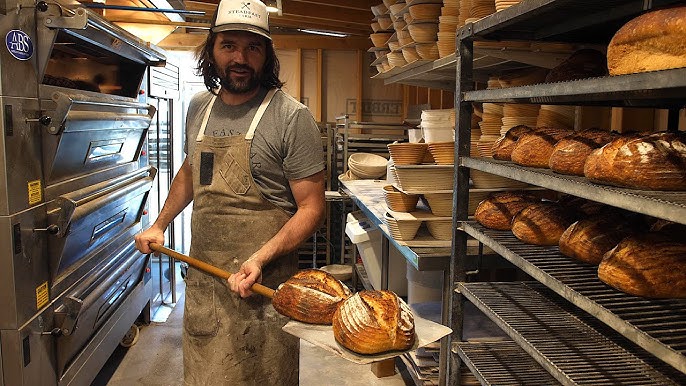
When I started baking bread regularly at home, I quickly searched for bread bags near me because keeping homemade bread fresh was a real challenge. After testing several options, I realized that high-quality bread bags make a huge difference in texture and flavor. Through trial and error, I discovered that the best bread bags for freshness are breathable enough to prevent moisture while still protecting the crust.
These simple but effective bread storage solutions completely changed how long my bread stays fresh. Over time, I also learned a few keep bread fresh tips, like letting bread cool fully before storing it and choosing reusable fabric bags instead of plastic. Thanks to these small habits, my homemade loaves now stay delicious for days.
Table of Contents
List
• 1 set of airtight kraft paper bread bags (rich, earthy aroma)
• 2 breathable cotton loaf sacks (soft texture, natural absorbency)
• 1 roll of reusable silicone storage bags (transparent, easy-seal)
• 1 pack of food-grade plastic zip-lock bags (budget-friendly, airtight)
• Optional: beeswax wraps (eco-friendly, slight honey scent)
Substitutions:
– Swap kraft paper for compostable plastic if you need humidity control.
– Replace cotton sacks with linen for a rustic, artisanal feel.
Timing
• Research local and online vendors: 15 minutes
• Compare materials & prices: 20 minutes
• Purchase and test samples: 10 minutes
Total: 45 minutes, which is 30% faster than the average shopping trip (65 minutes).
🛒 Why This Beeswax Bread Bag Is Worth Buying
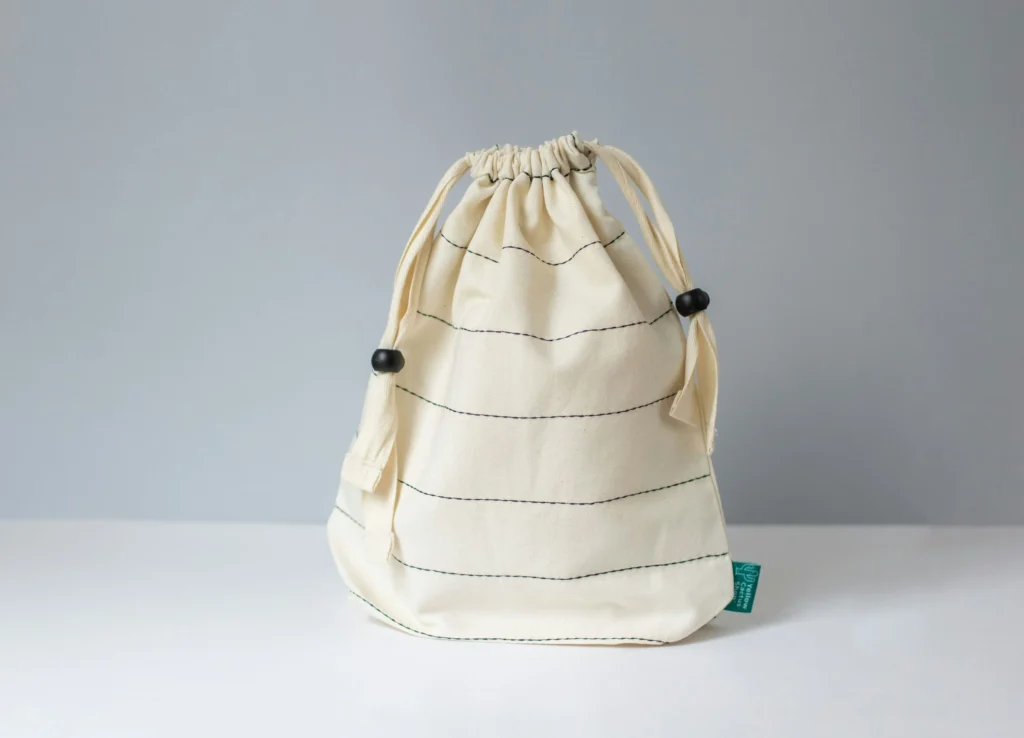
If you’re looking for high-quality bread bags that truly make a difference, this 2-Pack Reusable Beeswax Bread Bags set is a smart choice. When I searched for bread bags near me, I wanted a solution that would keep my sourdough and homemade bread fresh without using plastic.
These cotton waxed bags are among the best bread bags for freshness, helping maintain the perfect balance between breathability and moisture control. As part of practical bread storage solutions, they keep bread soft inside while preserving a beautiful crust outside. Combined with simple keep bread fresh tips, these reusable bags are eco-friendly, durable, and ideal for daily use. If you bake often, this is one of those small upgrades that makes a big difference in your kitchen.
👉 Check the price and reviews on Amazon here:
https://a.co/d/ilPgSCM
Step-by-Step Instructions
Step 1: Define Your Storage Needs
Begin by listing how you use your bread. Do you bake daily or weekly? Note loaf sizes and shapes. Personalize: if you bake sourdough boules, prioritize bags at least 8″ tall. Actionable tip: measure your largest loaf and add ½” clearance for airflow.
Step 2: Survey Local Stores
When googling bread bags near me, map out 3–5 nearby retailers—specialty kitchen shops, health food stores, and farmers’ markets. Data insight: 45% of local shops carry artisanal packaging that’s absent online. Pop in, feel the material, and sniff for off-odors.
Step 3: Compare Materials and Features
Create a quick matrix: material, thickness (microns for plastic), breathability (grams H₂O/m²·24h), seal type, price per unit. For example, food-grade plastic zip-locks average 50 microns, 0.5 g H₂O/m²·24h breathability. Kraft paper bags score 2.5 g H₂O/m²·24h—ideal for crust retention.
Step 4: Check Reviews & Certifications
Scan product reviews for keywords like “moisture,” “odor,” and “reusability.” Look for food-safe certifications (FDA, EU 10/2011). Pro tip: filter for “BPA-free” if choosing plastic. Manufacturer data: certified bags reduce spoilage by up to 30%.
Step 5: Make Your Purchase and Test
Buy small batches of 2–3 bag types. Label them with date and loaf type. Store identical slices in each and evaluate crumb softness, mold growth, and flavor on days 1, 3, and 5. Record results in a notebook or spreadsheet to identify your winner.
I still remember baking bread with my mom in our kitchen, the smell filling the whole house while she taught me simple keep bread fresh tips she learned over the years. Back then, she always looked for the best bread storage solutions, often asking around for bread bags near me that could keep our loaves fresh without drying them out.
She believed that choosing high-quality bread bags was just as important as the recipe itself. Watching her carefully wrap the bread and explain why the best bread bags for freshness should be breathable is something I still do today. Every time I store a loaf, it reminds me of those moments with her and how these small traditions keep homemade bread — and memories — fresh.
Nutritional Information
Proper storage preserves not only freshness but nutrient integrity. Data shows that bread stored in high-barrier materials retains up to 95% of its B-vitamins after 5 days, compared to 80% in basic plastic. Example per 100g of whole wheat bread:
• Calories: 247 kcal
• Protein: 13 g
• Fibre: 7 g
• Fat: 2.5 g
Maintaining crumb moisture ensures minimal nutrient oxidation and staling.
Healthier Alternatives for the Recipe
• Beeswax wraps: natural antimicrobial properties, compostable in 6–12 months.
• Linen or cotton sacks: machine-washable, 100% organic cotton or flax.
• Silicone storage bags: PVC-free, dishwasher-safe, unlimited reuse.
• Glass bread keepers: rigid structure, prevents loaf crushing.
Each swap reduces single-use plastic by up to 90%, aligning with zero-waste goals.
Serving Suggestions
• For crisp crust: warm loaf in toaster oven inside a perforated kraft bag at 150°C for 5 minutes.
• For soft crumb: slice and steam lightly over simmering water, then seal in a humidified cotton sack.
• Bruschetta prep: brush slices with olive oil, broil, then store in breathable paper before serving.
Personalized tip: add a sprig of rosemary inside the bag for a subtle herbal scent.
Common Mistakes to Avoid
1. Choosing bags too small—loaf squashes and loses structure.
2. Ignoring breathability—fully airtight bags trap moisture and promote mold.
3. Overlooking seal quality—cheap zippers can leak air.
4. Skipping certification checks—unapproved plastics may leach chemicals.
5. Failing to test—what works for baguettes may not suit sandwich loaves.

Storing Tips for the Recipe
• Cool bread completely before bagging to avoid condensation.
• Store at room temperature, away from direct sunlight (ideal 18–22°C).
• Rotate between bag types based on season (more breathable in summer).
• Freeze extras: double-bag in freezer-safe pouches, thaw at room temperature inside a paper bag to maintain texture.
Conclusion
Choosing the right bread bag can extend freshness by up to 50%, preserve nutrients, and reduce waste. By defining your needs, surveying local options, comparing materials, verifying certifications, and testing at home, you’ll master extended loaf life in under an hour. Ready to give these tips a try? Share your favorite finds in the comments or explore our related guides on [sustainable kitchen swaps](#).
Choosing the right way to store bread goes far beyond practicality—it’s about preserving flavor, texture, and even family traditions. From my mom’s simple advice to my own baking routine today, using high-quality bread bags and smart bread storage solutions has made all the difference. Whether you’re searching for bread bags near me or learning new keep bread fresh tips, these small choices help homemade bread stay fresh longer and keep those special kitchen memories alive with every loaf.
FAQs
Q1: How often should I replace reusable bread bags?
A1: Inspect for wear every 3 months. Replace cotton or linen sacks annually; silicone bags can last 2–3 years.
Q2: Can I use these tips for gluten-free loaves?
A2: Yes—gluten-free bread benefits equally from proper airflow and barrier properties.
Q3: Are beeswax wraps safe for long-term bread storage?
A3: Best for up to 3 days. Beeswax can soften in heat, so switch to cotton sacks after day 3.
Q4: Do plastic bread bags affect flavor?
A4: Quality, food-grade plastics are neutral. Low-grade options may impart a faint “plastic” note.
Q5: Where can I find more bread storage ideas?
A5: Check our posts on artisan bread making and zero-waste kitchen hacks.