Moroccan Flat Bread History (1950s): Traditional Baking and Heritage
I still remember the warm, comforting scent of dough rising in my grandmother’s kitchen. For many, morrocan flat bread is more than just a meal; it is a symbol of home. During the 1950s, this staple food became a cornerstone of daily life, grounding families in their shared history.
Thank you for reading this post, don't forget to subscribe!I want to share the beauty of traditional baking with you. By exploring these old methods, we honor the deep roots of Moroccan heritage. These techniques were not just about survival, but about showing love through every single loaf.
In this guide, I will walk you through the history of this iconic food. We will look at how traditional baking has shaped the nation’s culinary landscape. Understanding our Moroccan heritage helps us appreciate the effort behind every piece of morrocan flat bread. Let us begin this journey into the heart of a timeless craft.
Table of Contents
Origins of Moroccan Flat Bread
When I look at a loaf of Khobz, I see centuries of survival and culinary evolution. The story of this staple is deeply rooted in the ancient civilizations that once thrived across North Africa. Understanding this bread history allows us to appreciate how simple ingredients transformed into a symbol of identity.
Ancient Beginnings
Early inhabitants of the region relied heavily on wild grains to sustain their growing communities. Over time, these groups mastered the art of milling and baking, turning basic flour and water into a reliable source of energy. This bread history reflects the ingenuity of people who adapted to the harsh, arid landscapes of the region.
Influence of Berber Culture
I find it truly remarkable how the Berber people shaped the culinary landscape of the nation. In the rugged Rif Mountains, communities once sustained themselves almost solely with barley flour products. This reliance on local grains highlights the resourcefulness that remains a core pillar of Moroccan culture today.
Regional Variations
As different tribes settled in diverse environments, they adapted their recipes to suit local availability. While the classic morrocan flat bread remains a constant, the texture and grain composition often shift depending on the geography. Whether using wheat, barley, or semolina, each version tells a unique story of its home region.
The following table illustrates how different regions historically utilized specific grains to create their signature morrocan flat bread, showcasing the diversity within Moroccan culture.
| Region | Primary Grain | Texture Profile |
|---|---|---|
| Rif Mountains | Barley | Dense and Earthy |
| Coastal Plains | Soft Wheat | Light and Airy |
| Atlas Mountains | Durum Semolina | Chewy and Robust |
| Sahara Borders | Millet/Barley Mix | Crusty and Hearty |
Every piece of Khobz served today carries the legacy of these ancient practices. By honoring these traditional methods, we keep the spirit of the past alive in every kitchen. It is a testament to how morrocan flat bread continues to unite people through the shared experience of breaking bread together.
Ingredients of Moroccan Flat Bread
The foundation of every great Moroccan meal is a loaf made from the finest durum wheat semolina. When I prepare morrocan flat bread in my own kitchen, I focus on the simplicity of the components to achieve that signature texture. You will find that using the right base makes all the difference in your final result.
Essential Components
To master the craft of homemade bread, you must start with high-quality basics. The process relies on a few pantry staples that work together to create a soft, airy crumb. I find that the quality of these items truly dictates the success of the bake.
- Durum Wheat Semolina: This provides the distinct golden color and nutty flavor.
- Warm Water: Essential for activating the yeast properly.
- Active Dry Yeast: The key to achieving the perfect rise.
- Sea Salt: A small amount enhances the natural sweetness of the grain.
Local Sourcing of Ingredients
I always encourage home bakers to seek out the freshest ingredients available in their area. Local sourcing ensures that your flour has not been sitting on a shelf for months, which preserves the integrity of the dough. When you choose fresh, locally milled semolina, you replicate the authentic taste of a traditional Moroccan kitchen.
By prioritizing quality, you elevate your homemade bread from a simple side dish to the star of the table. Whether you are a beginner or an experienced baker, the journey toward a perfect morrocan flat bread begins with these thoughtful choices. Taking the time to source your ingredients locally is a rewarding step that you will taste in every bite.
Traditional Baking Methods
For generations, the preparation of dough was a daily ritual that defined the rhythm of life in our homes. Until the 1980s, it was common for women to prepare homemade bread twice every single day. This labor of love ensured that every meal was accompanied by fresh, warm loaves.
Using Clay Ovens (Tanjia)
The process often began in the kitchen, but the final transformation happened elsewhere. Women would carefully shape their dough and carry it to the local communal oven, known as the farran. While the Tanjia is often associated with slow-cooked meat, the clay construction of these ovens was vital for achieving the perfect bake.
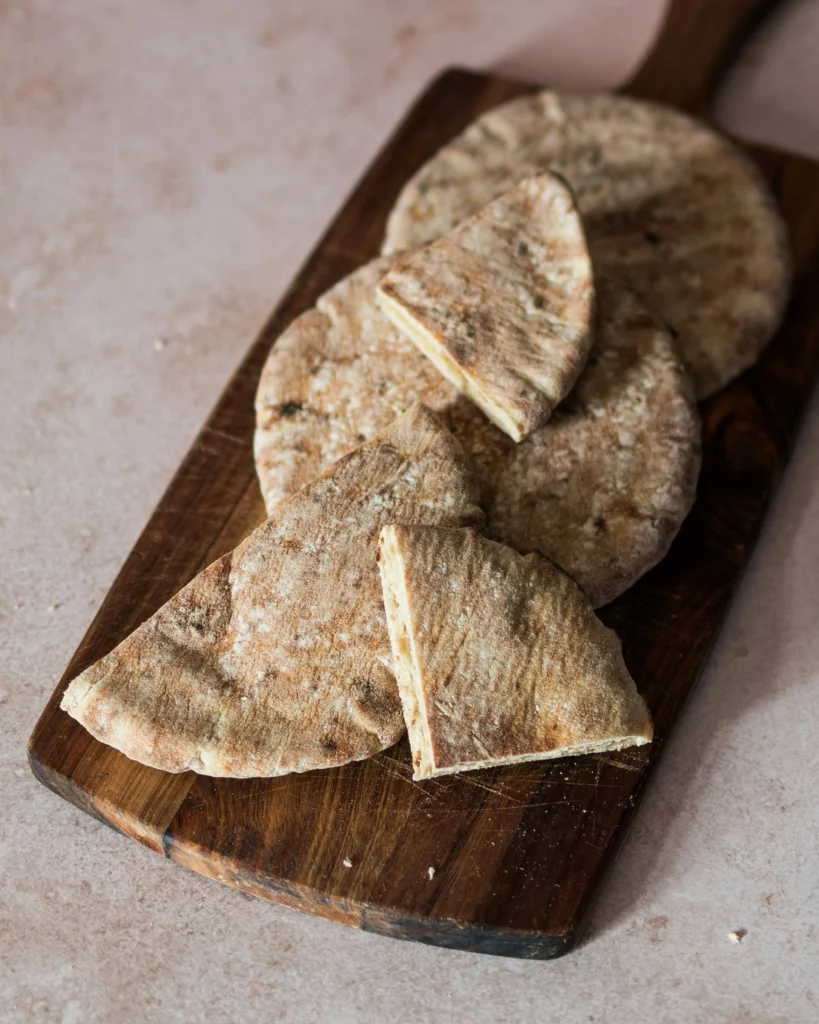
The intense, steady heat of the clay walls gave the morrocan flat bread its signature texture. This method created a distinct, slightly charred crust that is difficult to replicate in modern kitchen appliances. I remember the smell of wood smoke clinging to the loaves as they returned from the oven, signaling that dinner was ready.
Baking Techniques Through the Decades
Over the decades, traditional baking has seen many shifts, yet the core principles remain unchanged. Even as technology advanced, the reliance on high-heat methods continued to define the quality of the bread. Mastering these techniques is essential for anyone who wants to recreate the authentic experience of homemade bread at home.
The evolution of these methods highlights a deep respect for heritage. By understanding how the communal oven functioned, we gain insight into the social bonds formed during those daily trips. Today, traditional baking remains a cornerstone of our culture, preserving the unique character of morrocan flat bread for future generations.
Whether you are using a modern oven or a clay setup, the secret lies in the patience of the process. Authentic results depend on the consistency of the dough and the intensity of the heat. Embracing these time-honored practices allows us to keep the spirit of morrocan flat bread alive in our own kitchens.
Cultural Significance of Flat Bread
To understand the soul of Morocco, one must first look at the bread on the table. It is not merely a food item but a foundational element of Moroccan culture that connects people to their history and to each other.
Role in Moroccan Daily Life
I have noticed that bread consumption is deeply woven into the rhythm of every single day. Whether it is a simple Moroccan breakfast or a hearty dinner, bread acts as the primary utensil for the meal.
Instead of using silverware, I use pieces of fresh bread as a natural spoon to sop up savory soups and rich stews. It serves as a perfect scoop for beans, dips, and flavorful sauces, making the dining experience both efficient and tactile.
Symbol of Hospitality and Community
Beyond its practical use, bread carries a profound sense of bread symbolism that reflects the warmth of the people. Sharing a loaf is an act of unity and trust that I have witnessed in homes across the country.
When I sit down to eat with a local family, the act of breaking bread together reinforces our social bonds. It transforms a simple meal into a communal celebration, reminding everyone at the table that they are part of a larger, caring community.
Moroccan Flat Bread in the 1950s
When I look back at the 1950s, I see a fascinating divide in how the world viewed baking. During this decade, the United States began a rapid shift away from homemade bread, favoring the convenience of store-bought loaves. In contrast, the bread history of Morocco remained firmly anchored in time-honored traditions that prioritized freshness and community.
Popularity in Moroccan Households
In Morocco, the daily routine revolved around the preparation of morrocan flat bread. Most families relied on the communal oven, known as the “farran,” which served as the heart of the neighborhood. I find it truly special how this shared space fostered such strong social bonds among neighbors.
The reliance on these ovens ensured that every household enjoyed warm, fresh bread every single day. This practice was not just about sustenance; it was a vital part of the local culture. The following list highlights why this method remained so popular:
- Consistency: The high heat of the communal oven provided a perfect texture that home stoves could not replicate.
- Community: It offered a daily opportunity for neighbors to gather and exchange news.
- Efficiency: Families saved fuel by utilizing a centralized, professional-grade heat source.
Integration into Global Cuisines
As the world became more connected, the unique appeal of morrocan flat bread began to reach beyond North African borders. Travelers and food enthusiasts started to take notice of these distinct baking styles. This period marked the beginning of a slow but steady integration of traditional techniques into the broader bread history of the world.
While the U.S. was embracing mass production, the appreciation for homemade bread started to grow in culinary circles abroad. Chefs began to experiment with these rustic, flat styles, recognizing their versatility and flavor. It is truly inspiring to see how these ancient methods survived the mid-century push for industrialization and eventually found a place in modern global kitchens.
Recipes Passed Down Through Generations
Generations of home cooks have perfected the craft of creating the perfect loaf, and I am thrilled to share these secrets with you. In my experience, the kitchen is where the true soul of a culture resides. Learning these bread recipes allows anyone to bring a piece of authentic Moroccan tradition into their own home.
Classic Moroccan Flat Bread Recipe
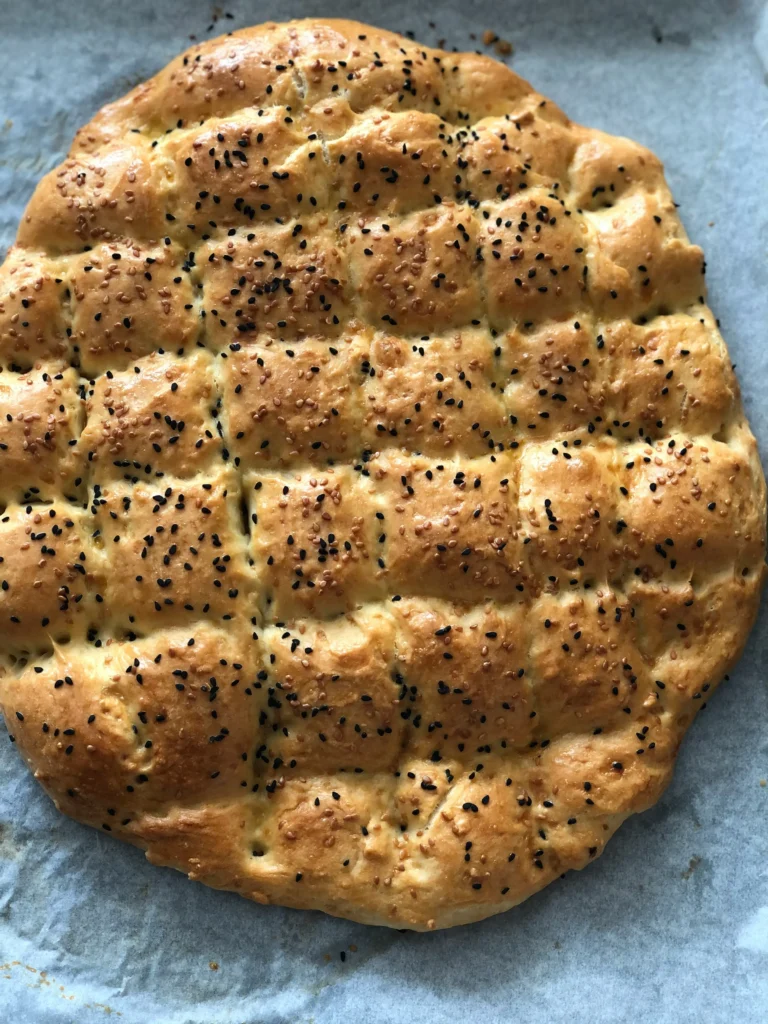
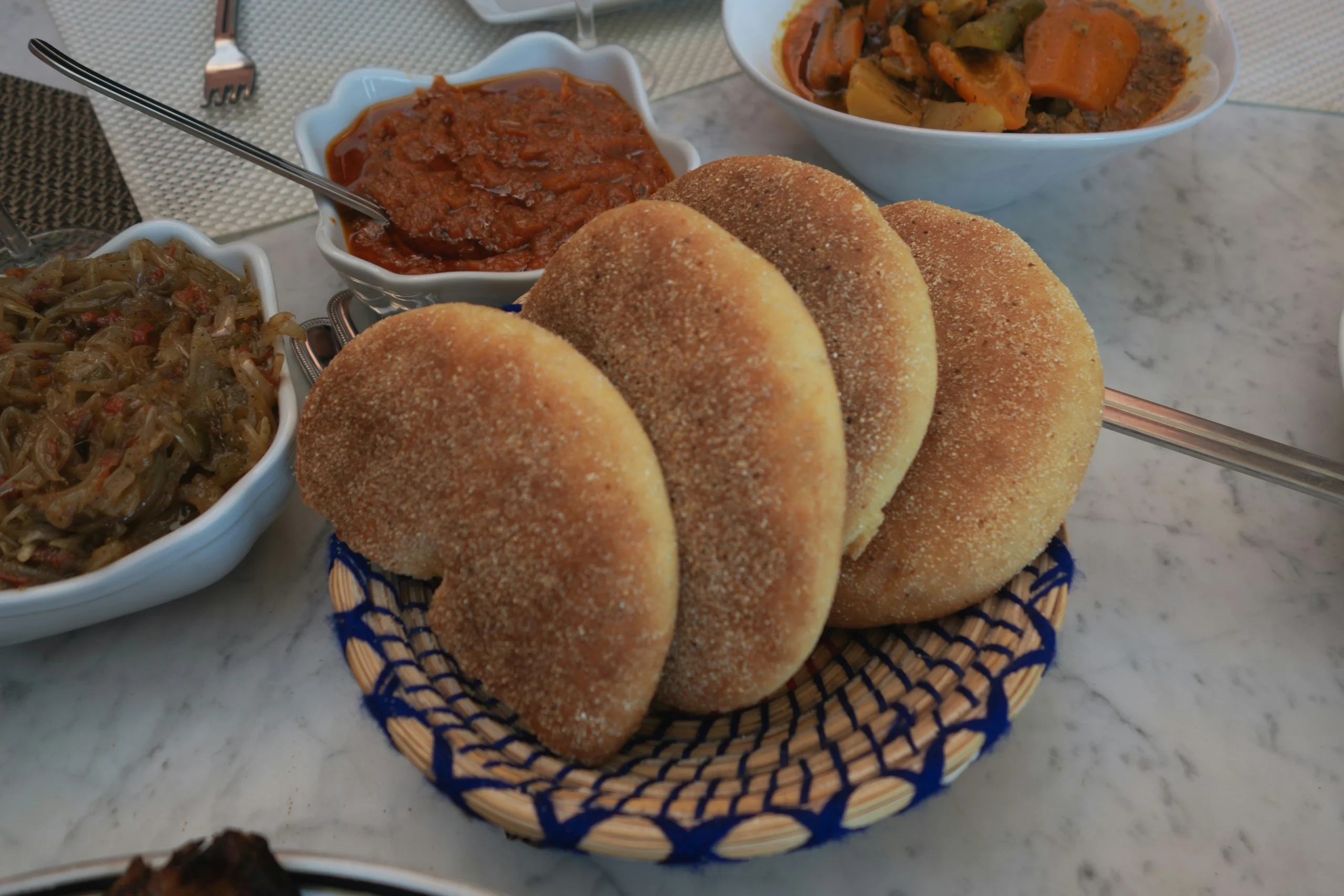
The most iconic staple in any household is Khobz. This round, thick loaf acts as both a side dish and a utensil for scooping up tagines or salads. To make it, you typically combine flour, yeast, warm water, and a pinch of salt.
The dough requires a good amount of kneading to achieve the right elasticity. Once the dough rises, you shape it into flat, circular discs and let it rest again before baking. The result is a morrocan flat bread with a golden, crispy crust and a soft, airy interior that is simply irresistible.
Variations by Region
While the base remains consistent, regional influences often transform the final product. In some areas, bakers incorporate seeds like anise or cumin to add a fragrant, earthy depth to the dough. These small additions turn a simple Khobz into a specialized treat for holidays or family gatherings.
Texture also varies significantly depending on the local climate and available grains. Some regions prefer a thinner, crispier style, while others favor a denser, more rustic crumb. Exploring these bread recipes reveals how geography shapes the way we eat.
| Region | Primary Flavor | Texture | Best Pairing |
|---|---|---|---|
| Northern Morocco | Anise Seeds | Light and Airy | Olive Oil |
| Atlas Mountains | Barley Blend | Dense and Rustic | Honey and Butter |
| Coastal Cities | Plain/Sea Salt | Crispy Crust | Fresh Fish |
| Southern Desert | Cumin Seeds | Chewy | Spicy Tagine |
Whether you are baking a classic Khobz or experimenting with regional spices, the process is deeply rewarding. Mastering this morrocan flat bread connects you to a long history of communal dining. I encourage you to start your own baking journey and enjoy the warmth of a fresh loaf.
Flat Bread and Moroccan Cuisine
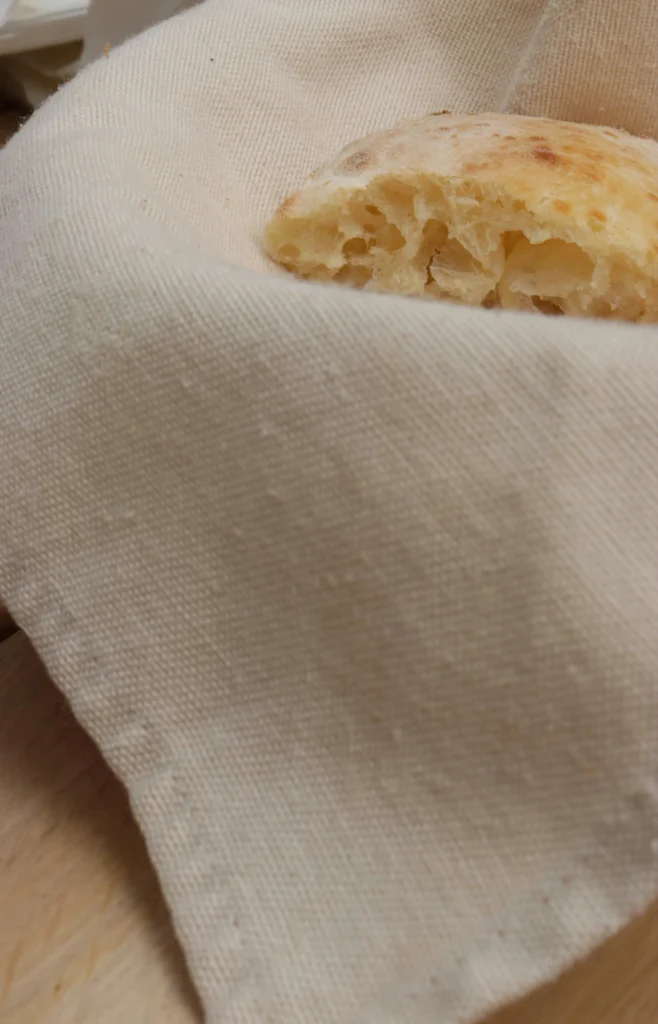
My journey through the heart of Moroccan cuisine revealed that bread is far more than just a side dish. It acts as the primary utensil and the foundation for nearly every meal I have enjoyed in the region. The government recognizes this deep cultural necessity, which was highlighted when 20% of the national budget was dedicated to subsidizing the cost of bread in May 2014.
This high level of bread consumption ensures that every household, regardless of income, has access to this staple. Whether it is a simple Moroccan breakfast or a complex dinner, the presence of fresh, round loaves is non-negotiable. I find it truly remarkable how a single food item can anchor an entire nation’s culinary identity.
Pairing with Traditional Dishes
When you sit down to eat a savory tagine, you will quickly learn that Khobz is your most important tool. Instead of using silverware, I use pieces of the crusty bread to scoop up tender vegetables and rich sauces. The texture of the bread is specifically designed to hold heavy stews without falling apart.
The pairing process is an art form that balances flavor and utility. By tearing off a small piece of Khobz, you can perfectly capture the essence of slow-cooked meats and aromatic spices. This tactile way of eating connects me directly to the food and the people sharing the table.
Flat Bread in Festive Celebrations
Bread also plays a vital role in the late afternoon ritual known as Cass-Croot. This snack time is a cherished moment for families to gather and recharge. During these times, bread is often served with a variety of simple yet delicious accompaniments:
- Sweet mint tea
- Olive oil for dipping
- Honey or local jams
- Freshly pressed argan oil
Beyond daily snacks, bread remains the centerpiece of festive celebrations and community gatherings. It symbolizes hospitality and the act of breaking bread together strengthens social bonds. Even during the most elaborate feasts, the humble loaf remains the most respected guest at the table, proving that Moroccan breakfast traditions and dinner rituals are built upon this timeless foundation.
The Evolution of Moroccan Flat Bread Today
I have noticed that the way we enjoy bread in Morocco is undergoing a fascinating transformation. While the soul of our food remains rooted in history, the daily habits of people in bustling cities are shifting rapidly. It is truly a unique time to observe how these changes impact our beloved morrocan flat bread.
Modern Preparations and Flavors
The fast-paced lifestyle in major urban centers has changed how families source their daily staples. Many households now rely on the convenience of store-bought options to save time during busy work weeks. Despite this shift, the demand for high-quality, fresh dough remains a priority for those who value authentic Moroccan cuisine.
New flavor profiles are also emerging in local bakeries to cater to younger generations. Bakers are experimenting with seeds, grains, and even savory herbs to update classic recipes. These innovations ensure that the tradition stays relevant in a modern, fast-moving world.
Influence of International Cuisine
Global culinary trends have made a significant mark on our local baking scene. I see a growing interest in artisanal bread techniques that mirror styles found in Europe and North America. This cross-cultural exchange has brought fresh energy to the way we prepare and serve our traditional loaves.
The following trends highlight how international styles are blending with our heritage:
- The rise of sourdough starters in home kitchens.
- Increased use of organic, stone-ground flours for better texture.
- A focus on small-batch production to ensure premium quality.
This evolution proves that Moroccan cuisine is not static. By embracing artisanal bread methods, we are finding new ways to honor our past while looking toward the future. The enduring appeal of morrocan flat bread continues to thrive through this creative adaptation.
Preserving the Heritage of Moroccan Baking
I believe that protecting our culinary roots requires a shared commitment to the past. We must treat every loaf with respect because bread holds a sacred place in our homes. In Morocco, wasting food is a sin, and this deep respect for grain shapes our daily lives.
Initiatives for Traditional Practices
Local groups now work to document authentic bread recipes to keep these skills alive. These efforts focus on bread preservation by teaching younger generations how to use clay ovens and natural starters. By supporting these programs, we ensure that the soul of our kitchen remains intact.
Importance of Culinary Education
Schools and community centers play a vital role in teaching the art of traditional baking. I encourage you to learn these techniques to honor our Moroccan heritage and the deep bread symbolism found in every meal. Sharing these skills with your family keeps our history vibrant and meaningful for years to come.
What is your favorite way to enjoy fresh flat bread at home? I invite you to share your own stories or try a new recipe this week. Your participation helps keep these beautiful traditions thriving in kitchens across the globe.