Khoubz Dar Beldi: A Never-Ending Love Story with Traditional Moroccan Bread
The Beginning of My Love for Traditional Moroccan Bread
For the first time, I am sharing my love story with bread.
Thank you for reading this post, don't forget to subscribe!Khoubz Dar Beldi
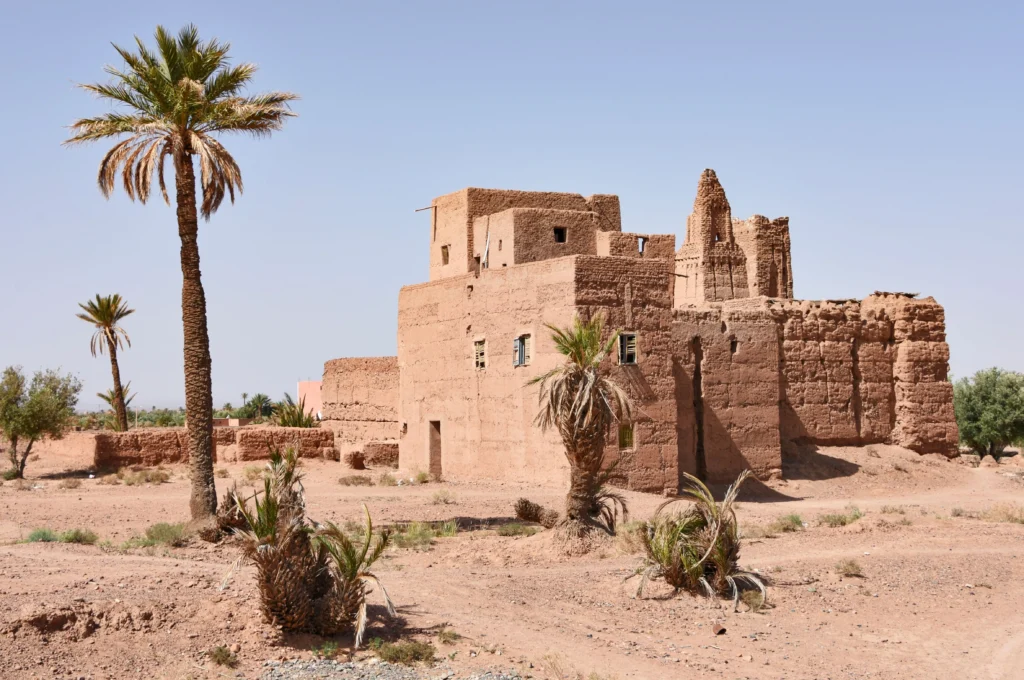
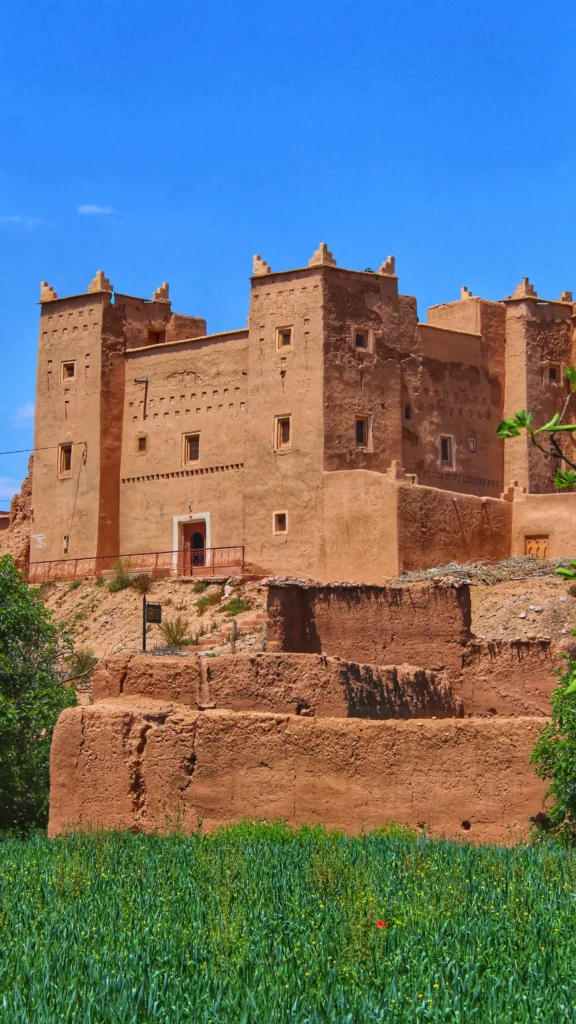
A story that began in 1985 in Ouarzazate, in southern Morocco, and more precisely through my family roots in Skoura, a small, modest village, simple and filled with love and joy.
Skoura represents a happy childhood for me, a simple and authentic life deeply connected to traditions. It was a life where the essential things still mattered: family, sharing, the aromas of cooking, the fire, Moroccan mint tea, and of course, bread.
In Skoura, traditional Moroccan bread was always present in our daily lives.
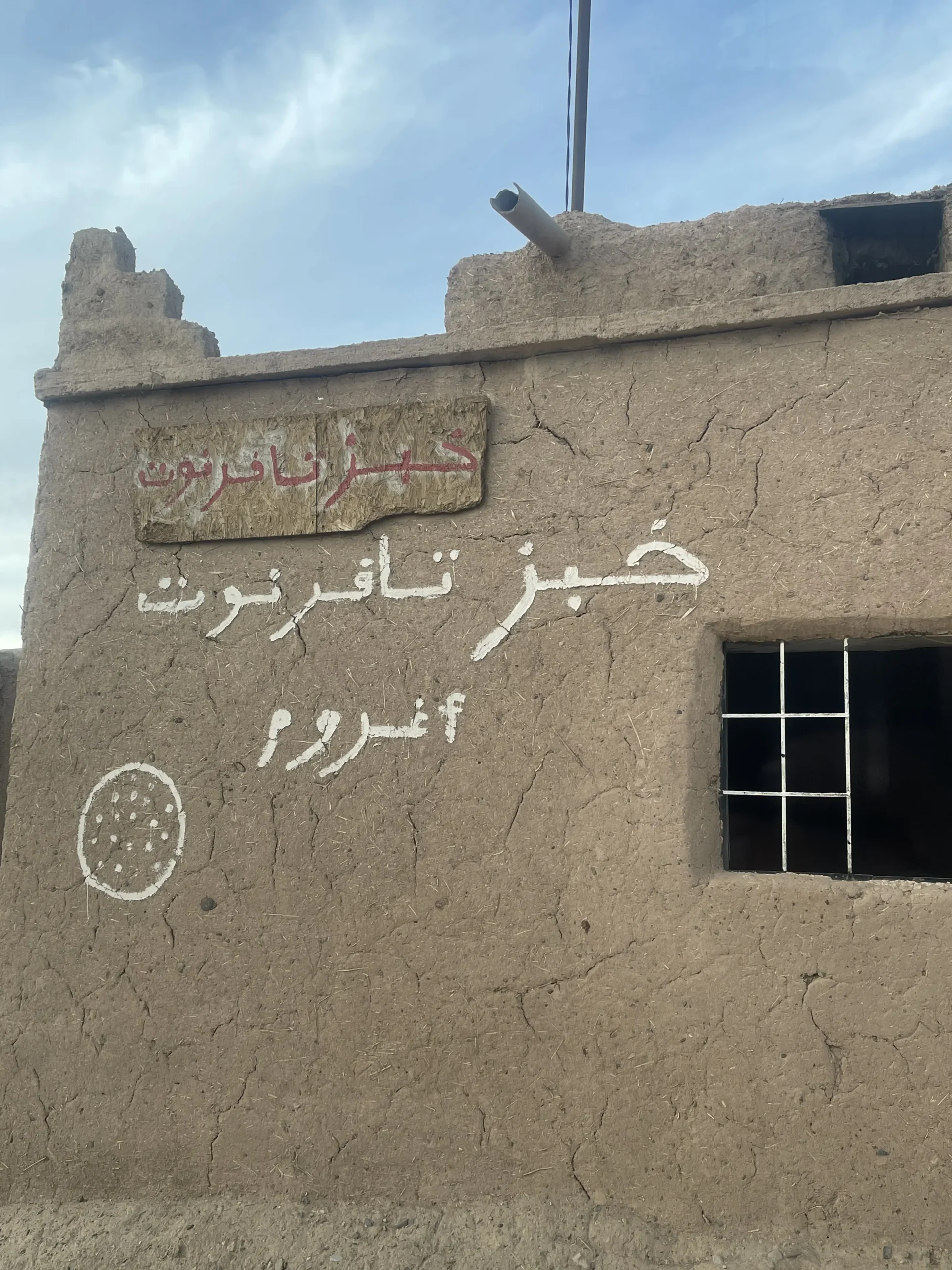
We grew up with Tafarnout bread, a traditional bread deeply rooted in the traditions of southern Morocco, particularly Amazigh and Saharan traditions.
Its aroma, its unique way of baking, and the taste of freshly baked bread are among my most precious childhood memories.
Amina, yes, that is my name.
In the coming articles, I will also tell you the story behind my name, my birth, and many other memories from my childhood.
But today, I want to tell you about my very first contact with baking and, above all, my discovery of how to prepare Khoubz Dar Beldi.
Table of Contents
The Different Traditional Moroccan Breads of My Childhood
Throughout this series of articles, I will introduce you to the different breads and preparations that shaped my childhood and my relationship with Moroccan cuisine.
Among them:
- Tafarnout Bread
- Maoui / Mayeh Bread
- Batbout Bread
- Khoubz Dar Beldi
- Msemen Bread
- Meloui Bread
- Chiar Bread
- Beghrir
- Dar Beldi Millefeuille
- Kika
- Richbond
- Rziza / Rezzet Al Qadi
- Magdalat
Each of these preparations has its own story, its own gestures, aromas, and memories.
My Childhood in the Kouchina and the Preparation of Homemade Bread
I was very young when I discovered the world of Moroccan homemade bread.
I remember those mornings when we would wake up very early, around 7 a.m., to begin preparing the bread.
First, we had to collect the pieces of wood that would be used to feed the fire.
We would then climb the small earthen steps leading to the old kitchen, which we simply called the Kouchina.
My cousins Souad and Hachouma were also very young.
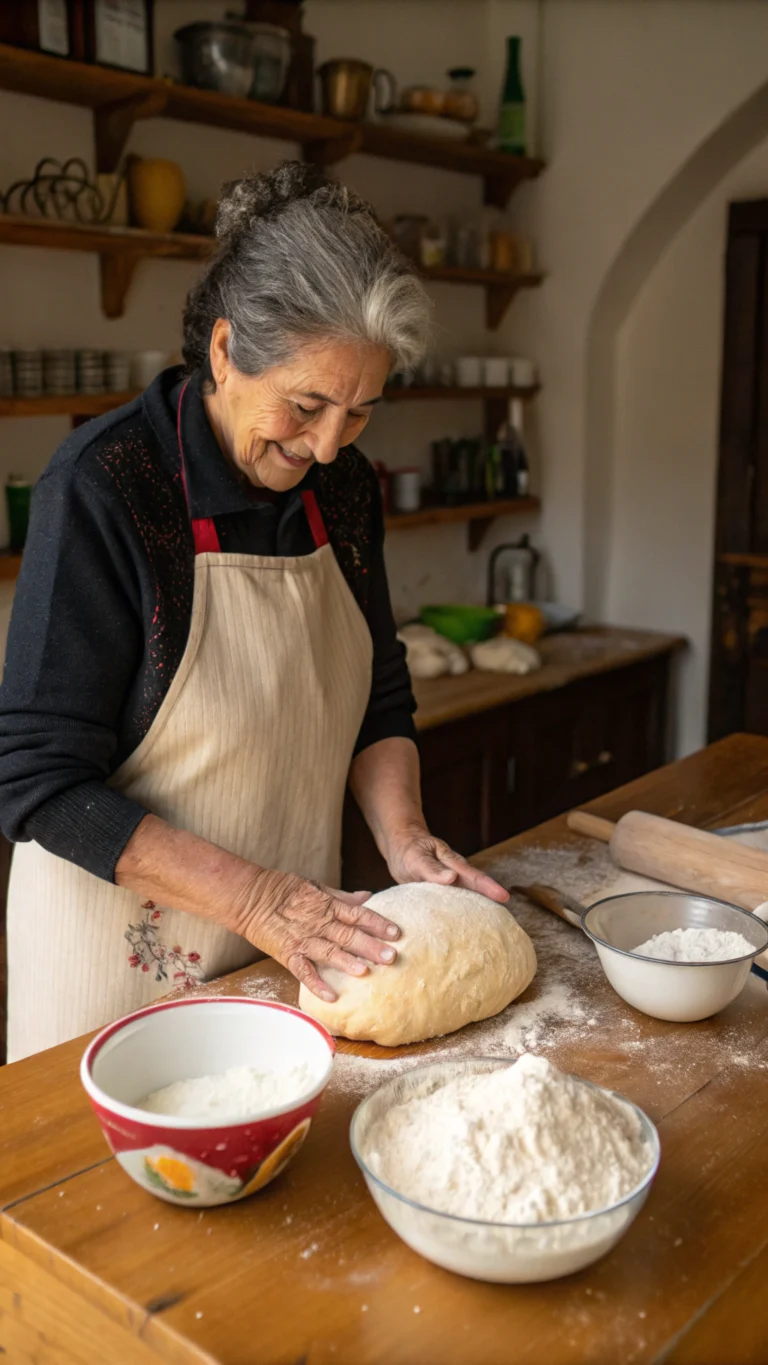
Yet they already knew how to prepare the dough with such confidence.
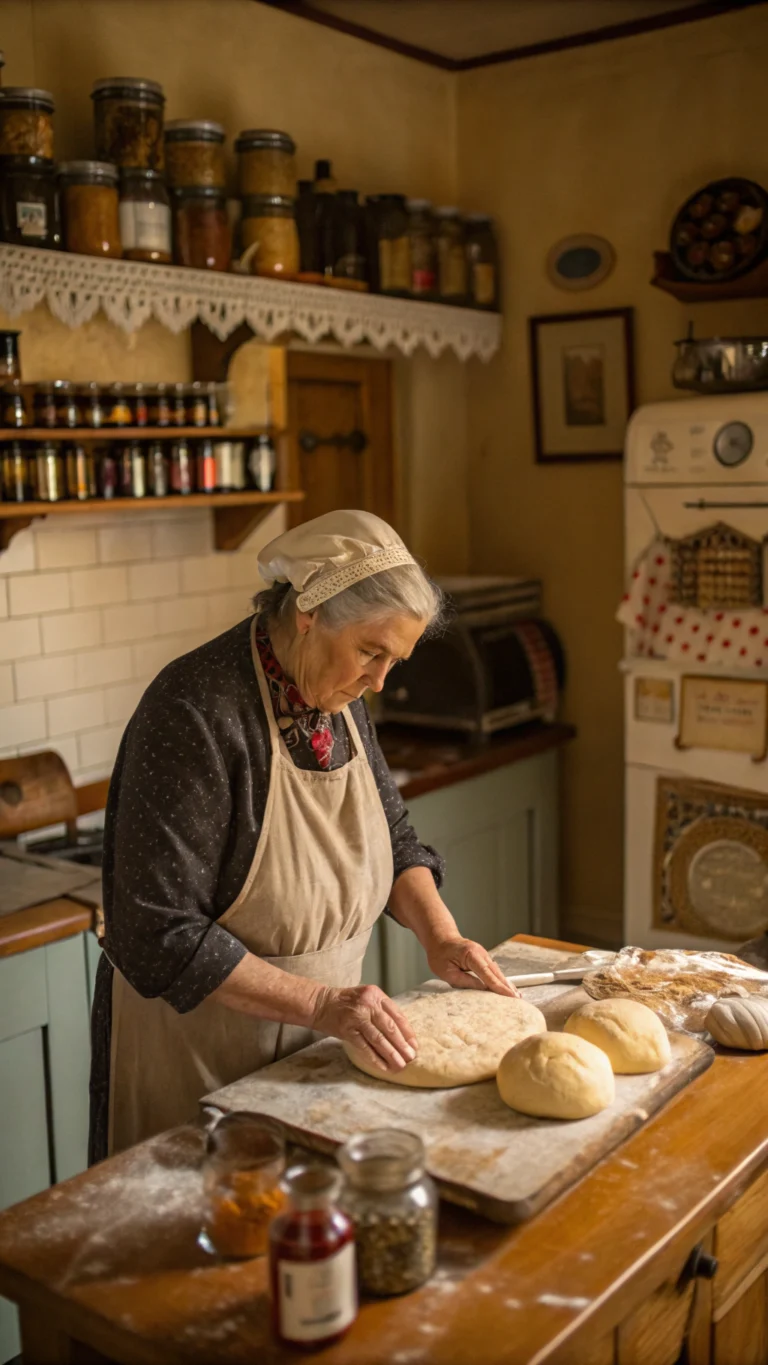
Early in the morning, they would begin working the dough while the fire was being lit in the traditional oven called the Kanoun.
I watched them very carefully.
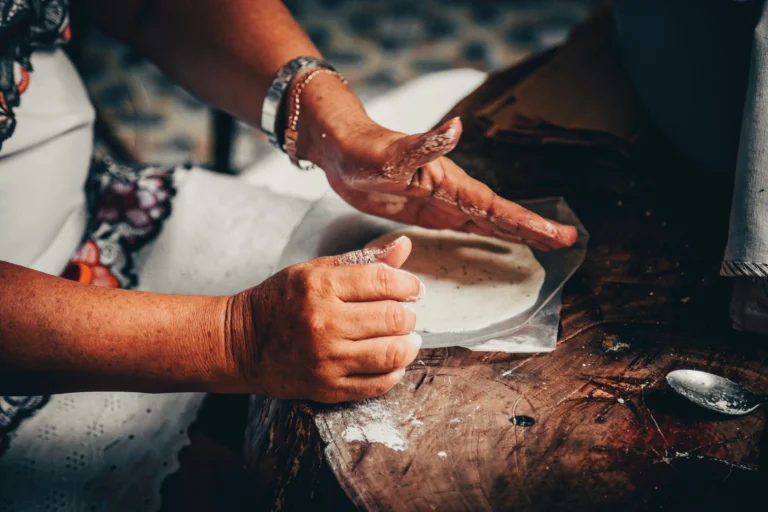
They would take the dough with their small hands and gently stick it onto the walls of the Kanoun.
Their hands were regularly moistened so they could withstand the intense heat coming from the fire and the embers.
I was fascinated.
I watched every gesture, every movement, every step of the preparation.
At that age, I did not yet know that these images would remain engraved in my memory for all these years.
A Sensory Experience Around Tafarnout Bread
My first encounter with Tafarnout bread was not simply a culinary experience.
It was a true sensory experience.
There was the sound of hands working the dough, the warmth of the fire, the burning wood, the glowing embers, the smoke slowly rising toward the ceiling, and, in the middle of it all, the extraordinary aroma of freshly baked bread.
Everything blended together inside that little Kouchina.
The aroma of traditional Moroccan bread mixed with the smell of the fire and smoke.
Over the years, the smoke had left a greyish layer on the ceiling and walls.
Every corner of that old kitchen seemed to tell a story.
Every mark on the walls seemed to preserve a piece of our family’s memory.
And every loaf that came out of the oven was something magical to me.
Magdalat: The Beginning of My Love for Homemade Bread
After several hours spent in the Kouchina, the result was finally ready.
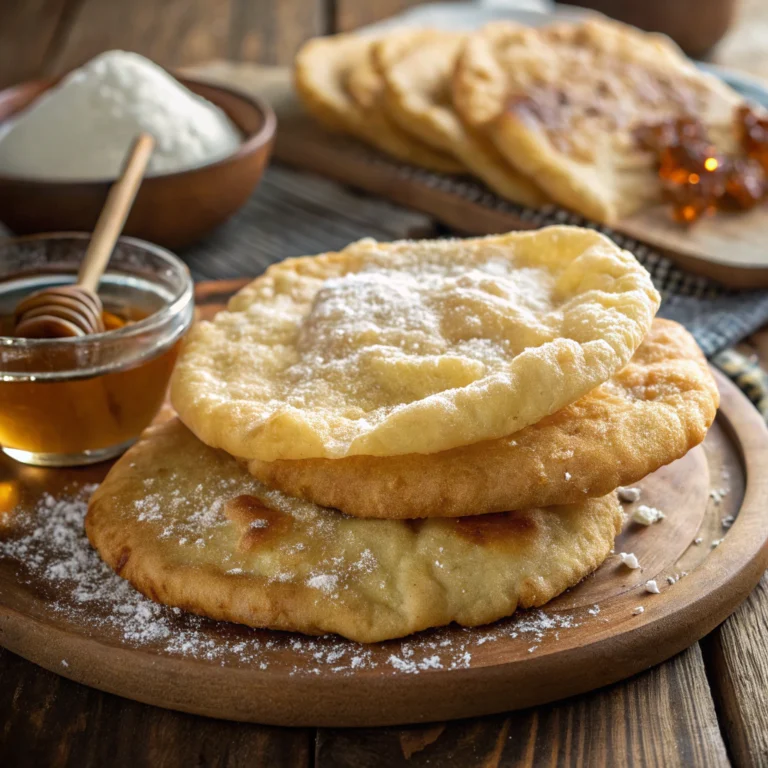
The beautiful Magdalat.
That is what we called them in our family.
These breads were prepared on the Tafarnout and represented much more to me than simply a meal.
They were the beginning of my love for making homemade bread.
Even today, whenever I prepare bread at home, a little part of that nine-year-old girl comes back to life.
I find the aromas again.
I find the gestures again.
I feel the warmth of the fire again.
And above all, I rediscover that simple feeling of happiness we experienced whenever the whole family was together.
It was probably at that moment that my love for homemade bread was born.
Family Breakfast: Magdalat and Moroccan Mint Tea
After the baking was finished, we would come back down with a basket filled with Magdalat.
We could already smell the Moroccan mint tea being prepared.
The aroma of warm bread mixed with the scent of Moroccan tea and the olive oil from our region of Skoura.
I can still picture my uncle sitting on the floor, on a traditional rug with red, pink, and blue colors called Hardal.
He was sitting beneath an iron window decorated with traditional Moroccan motifs.
Soft light came through the window and gently illuminated the room.
This scene represents, for me, all the beauty of childhood.
It was a simple moment, but it was filled with love.
We would impatiently wait for my uncle to prepare the tea so we could finally enjoy our beautiful Magdalat, still warm, tender, and soft.
As I write these lines today, I still cannot always find the right words to express the emotions I felt at that time.
Some childhood memories are so powerful that they go beyond words.
They simply remain in our hearts.
As for the recipe for the wonderful Moroccan tea prepared by my uncle, I will share it with you in a future article.
Stay tuned…
Traditional Magdalat Recipe: Tafarnout Bread
With simple ingredients, it is possible to prepare delicious Magdalat that can bring a smile to both children and adults.
Ingredients for 1 Magdalat
- 500 g white flour
- 100 g fine semolina, optional, for a beautiful texture
- 1 teaspoon salt
- 1 teaspoon sugar
- 1 teaspoon dry baker’s yeast
- Approximately 350–400 ml lukewarm water, depending on the flour
- 1–2 tablespoons olive oil
How to Prepare Tafarnout Bread
1. Prepare the Yeast
In a small bowl, combine the dry baker’s yeast, sugar, and a little lukewarm water taken from the total amount.
Mix and leave to rest for 5 to 10 minutes, until the yeast begins to foam.
2. Prepare the Dough
In a large basin, called a gas3a, place the flour and salt.
Add the prepared yeast, then gradually pour in the lukewarm water.
Mix with your hands until you obtain a smooth, homogeneous dough.
3. Knead
Knead the dough for approximately 10 minutes.
The dough should become soft, elastic, and slightly sticky.
Do not add too much flour.
This is one of the secrets to achieving soft and tender Magdalat.
4. Let the Dough Rise
Cover the dough with a clean cloth and leave it to rest in a warm place for approximately 45 minutes to 1 hour, until it increases in volume.
5. Shape the Dough Balls
Lightly oil your hands.
Gently punch down the dough and divide it into equal-sized balls.
Place them on a lightly oiled tray.
Cover and let them rest for another 10 to 15 minutes.
6. Heat the Tafarnout
Meanwhile, heat the Tafarnout thoroughly.
It needs to be hot enough to allow the bread to cook quickly.
7. Shape the Magdalat
Take one ball of dough and gently flatten it with lightly oiled fingers.
Shape it into a thin, round bread.
Traditionally, you can make a few small marks or indentations with your fingers on the surface.
8. Bake the Tafarnout Bread
Carefully place the Magdalat on the hot Tafarnout.
Let it cook until the surface begins to develop a beautiful color and the bottom is fully cooked.
Turn it over if necessary, depending on how your Tafarnout heats.
The baking process is generally quick because of the high heat.
9. Serve the Magdalat
Remove the Magdalat when it is fully cooked and lightly golden.
Place it in a basket or wrap it in a clean cloth and cover it so that it remains soft and warm.
The Little Secret to Making Perfect Magdalat
To make soft and tender Moroccan homemade bread, the secret is not to make the dough too firm.
It is better to have a soft and slightly sticky dough than a dry dough with too much flour added.
This texture is what will give you tender and enjoyable bread.
Discover Ouarzazate & Skoura Through Moroccan Homemade Bread
If you want to discover the authentic soul of Morocco, I invite you to visit Ouarzazate, my beloved hometown, where traditions, warm hospitality, and the flavors of childhood come together. Just a short distance away, you can explore Skoura, the beautiful village where my father was born, surrounded by palm groves, kasbahs, and breathtaking landscapes. Here, you can experience the true Moroccan way of life and discover the traditions behind Khoubz Dar Beldi, Tafarnout bread, Kouchina, and Magdalat.
These traditional recipes are more than just food—they are a taste of our heritage, our family memories, and the warmth of Moroccan homes. Come and visit Ouarzazate and Skoura, and let yourself be transported into the authentic world of Moroccan homemade bread and timeless Moroccan traditions.
Conclusion: A Love Story with Moroccan Bread That Is Only Beginning
Today, whenever I prepare traditional Moroccan bread in my kitchen, I am not simply making bread.
I am reconnecting with a part of my childhood.
I return to Skoura, to those early mornings, to the Kouchina, to the fire of the Kanoun, to the hands of my cousins Souad and Hachouma, to the smoke rising toward the ceiling, and to that wonderful aroma of freshly baked Tafarnout bread.
I also return to those family moments, the warm Magdalat in the basket, the Moroccan mint tea prepared by my uncle, and that feeling of happiness that only the simple things of childhood can give us.
Over the years, I have come to understand that the recipes we learned as children were not simply recipes.
They were a form of transmission.
A memory.
A heritage.
A way of keeping our family traditions alive.
This is why I decided to share my story with you through Khoubz Dar Beldi by Amina.
I want to tell you about the breads of my childhood, my family’s recipes, the gestures passed down from one generation to another, and all those little stories that give a soul to Moroccan cuisine.
Moroccan homemade bread has accompanied me since childhood, and even today, it remains an important part of my life.
My story with bread is far from over.
On the contrary…
It is only beginning.
In the coming articles, I will take you even deeper into my memories, where we will discover Tafarnout bread, Khoubz Dar Beldi, Magdalat, Msemen, Meloui, Beghrir, and all the recipes that shaped my childhood.
Because, deep down, making bread is also about making memories.
And some memories are meant to be passed down from one generation to the next.
Welcome to my world.
Welcome to my childhood.
Welcome to Khoubz Dar Beldi by Amina.
❤️ A never-ending love story with bread